Biotech
Asebio Welcomes the EU Biotech Act as a Boost to Competitiveness and Health Autonomy
Asebio welcomed the EU’s Biotech Act as a key step to boost competitiveness and health autonomy. Biotech drives jobs, growth and innovation but Europe lags globally due to funding and regulation. The Act proposes financing, regulatory simplification, strategic projects, AI and data use, faster trials, and stronger biosecurity, with a second phase in 2026 planned.

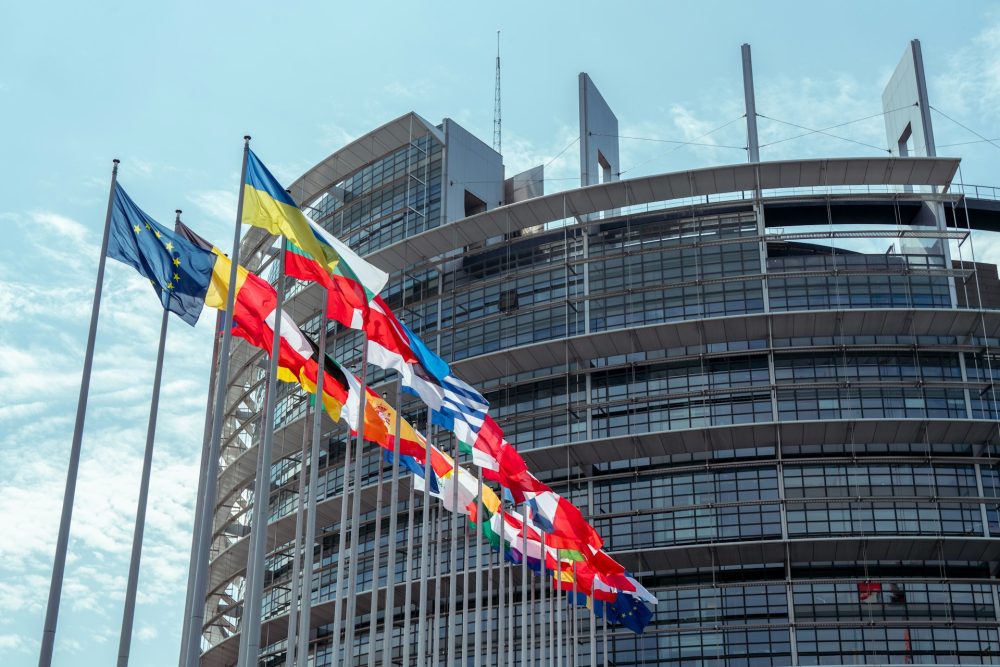
The Spanish Association of Biotechnology Companies (Asebio) positively assessed the foundations established by the first part of the Biotech Act, presented on December 16th by the European Commission, considering that it represents a relevant step to strengthen the competitiveness of the European biotechnology ecosystem and advance the strategic autonomy of the European Union in the field of health.
The new legislative initiative is part of a broader package of measures aimed at improving the health of European citizens and ensuring the long-term resilience and competitiveness of the healthcare sector. The second phase of this legislation is planned for the third quarter of 2026.
Asebio highlights the Biotech Act as a strategic step to strengthen Europe’s biotechnology sector, innovation capacity, and health sovereignty
In this context, Asebio noted that biotechnology is one of the fastest-growing sectors in the EU. It currently generates over 900,000 jobs, 75% of which are in the healthcare sector, and contributes around €40 billion to the European economy. Furthermore, it has significant potential to transform healthcare through innovative therapies, more precise diagnostics, and the development of personalized medicine.
However, Europe has lost ground to other global competitors. As the so-called Draghi Report shows, the EU accounts for only 7% of global venture capital investment in health biotechnology, while its global share of commercial clinical trials has fallen from 22% to 12% in the last decade. The combination of insufficient funding, structural barriers, and complex regulations has pushed startups and scientific talent to develop their activities outside the continent, Asebio confirms.
Throughout the entire proposal development process, Asebio actively participated in its design. In June, it submitted a set of recommendations to the European Commission that summarized three priorities for the sector: faster and more accessible financing, more agile and coherent regulation, and a more cohesive Europe with a clear industrial focus.
Subsequently, when the public consultation was opened in November, Asebio reinforced and expanded these contributions together with its partners and in close collaboration with EuropaBio, highlighting the structural challenges of the biotechnology sector and the need for ambitious responses such as the Biotech Act.
Key aspects of the Biotech Act and why Asebio backs the regulation
The proposed legislation outlines measures to improve access to financing through economic incentives and a pilot investment program in health biotechnology, to be developed from 2026 onwards in collaboration with the European Investment Bank Group. This program will complement the BiotechEU initiative and aims to mobilize up to €10 billion for the sector.
Furthermore, the plan anticipates strengthening industrial and innovation capabilities through the creation of centers of excellence in advanced therapies, testing environments, and training in biofabrication , as well as projects focused on biodefense. Within this framework, the designation of high-impact strategic biotechnology initiatives as “strategic projects” will be promoted.
The regulation also includes measures to incentivize European innovation, such as the specific extension of patent rights for key innovations in health and veterinary biotechnology, and support for strategic areas such as biosimilars. This will give strategic projects faster access to European funding and accelerated administrative, scientific, and regulatory support. Asebio
Another pillar of the Biotech Act is the promotion of the use of artificial intelligence, data and digital solutions, supported by the deployment of the European Health Data Area and the creation of reliable AI testing environments, with special attention to SMEs and startups.
Regulatory simplification and biosecurity
The proposal also aims to simplify and accelerate regulatory procedures to reduce the time to market for new biotechnology products. To achieve this, it proposes harmonized requirements, single regulatory pathways for complex innovative products, and the implementation of controlled regulatory environments or sandboxes.
In parallel, efforts are underway to accelerate the authorization of multinational clinical trials, with a significant reduction in approval times, which could be reduced, for example, from 75 to 47 days when no additional information is required.
The Biotech Act also incorporates specific measures to ensure biosafety , aimed at preventing the misuse of biotechnologies and strengthening the EU’s biodefense capabilities, through proportionate safeguards that protect human health.
__
(Featured image by Lukas S via Unsplash)
DISCLAIMER: This article was written by a third party contributor and does not reflect the opinion of Born2Invest, its management, staff or its associates. Please review our disclaimer for more information.
This article may include forward-looking statements. These forward-looking statements generally are identified by the words “believe,” “project,” “estimate,” “become,” “plan,” “will,” and similar expressions. These forward-looking statements involve known and unknown risks as well as uncertainties, including those discussed in the following cautionary statements and elsewhere in this article and on this site. Although the Company may believe that its expectations are based on reasonable assumptions, the actual results that the Company may achieve may differ materially from any forward-looking statements, which reflect the opinions of the management of the Company only as of the date hereof. Additionally, please make sure to read these important disclosures.
First published in diariofarma. A third-party contributor translated and adapted the article from the original. In case of discrepancy, the original will prevail.
Although we made reasonable efforts to provide accurate translations, some parts may be incorrect. Born2Invest assumes no responsibility for errors, omissions or ambiguities in the translations provided on this website. Any person or entity relying on translated content does so at their own risk. Born2Invest is not responsible for losses caused by such reliance on the accuracy or reliability of translated information. If you wish to report an error or inaccuracy in the translation, we encourage you to contact us.
















TopRanked.io Weekly Affiliate Digest: What’s Hot in Affiliate Marketing [1xBet Affiliate Program]
If you thought nobody liked cricket, then this week, we're proving you wrong. And by the time we're done, you'll...


Tether Seeks Big Four Audit to Boost USDT Transparency
Tether, issuer of USDT, plans a full audit by a Big Four firm to address transparency concerns over its $184...


H&M Advances Sustainability and Cuts Emissions by 2025
H&M Group reported that by 2025, 91% of materials were recycled or sustainably sourced, with recycled content reaching 32%. Emissions...


NHS Funds Breakthrough CAR-T Therapy Breyanzi for Lymphoma Treatment in Spain
Bristol Myers Squibb announced NHS funding for CAR-T therapy Breyanzi, enabling its use from April 1st in Spain for lymphoma...


Crypto Markets Volatile as Bitcoin Hovers, Solana Eyes AI Integration
Crypto markets remain volatile amid the Iran war, with Bitcoin near $70,000 and ETF inflows improving outlook. Ethereum faces declines...
 |
|
 |  |
 |
|
-

 Biotech6 days ago
Italy’s Pharmaceutical Sector Drives Innovation, Sustainability, and European Leadership
-

 Markets2 weeks ago
Oil Surge Sparks Market Turmoil and Shadow Banking Fears
-

 Crowdfunding3 days ago
Crowdfunding Evolves into Core Financial Infrastructure in Europe
-

 Fintech2 weeks ago
PayPay Targets Global Expansion After Landmark IPO