Biotech
Biobanks Drive Progress in Rare Disease Research Through Collaboration and Ethical Practice
Biobanks are vital for advancing rare disease research by enabling access to scarce biological samples. Experts highlighted their role in improving scientific evidence, raising awareness about donation, and strengthening patient–researcher collaboration. With strong ethical safeguards, biobanks help preserve and use valuable materials, while growing public interest supports future discoveries and therapeutic progress in medicine.

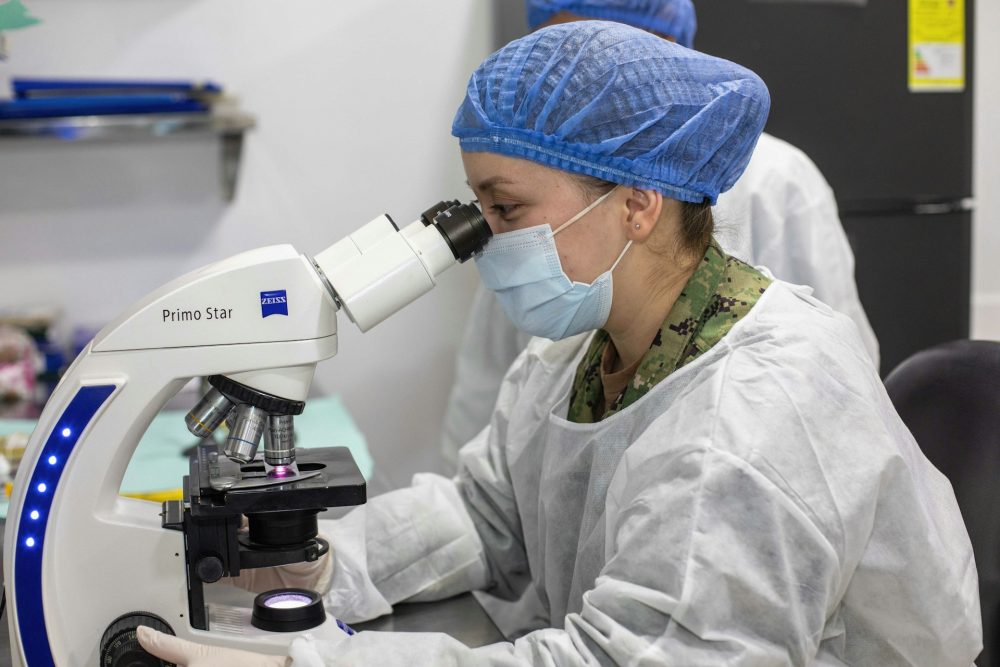
Biobanks are a fundamental infrastructure for advancing scientific knowledge, especially in the field of rare diseases. This was the conclusion reached by experts gathered by the Jiménez Díaz Foundation at a recent information session, held in collaboration with the Biomedical Research Networking Center for Rare Diseases (CIBERER) and the FEDER Foundation. The session aimed to analyze how the availability of biological samples opens new avenues of research in pathologies where the number of cases is very limited.
The initiative was co-led by Federico Rojo, scientific director of the Jiménez Díaz Foundation Biobank and head of the hospital’s Pathology Department, and Carmen Ayuso, head of the center’s Genetics Department. The meeting aimed to raise awareness about the value of these tissues, explain the donation process in an accessible way, and strengthen collaboration between patients and researchers to improve trust in the biobanks system.
Sandra Zazo, coordinator of the biobank and a biologist at the Madrid hospital, pointed out that there is still a lack of awareness about the possibility of donating material for science. The specialist explained that, in the development of a biomedical research project, using a significant number of samples with associated clinical data provides stronger scientific evidence and allows for more robust results.
Biobanks facilities allow for the preservation, management, and transfer of biological material for scientifically evaluated projects. The process helps to utilize resources that, in many cases, are not used for healthcare purposes and could otherwise be discarded. Materials that can be studied include blood, hair, skin, and tissues from clinical and surgical procedures, always within the appropriate regulatory framework.
Biobanks offer ethical guarantees and donor rights
The workshop addressed the integration of biobanks into routine hospital practice under strict ethical and legal criteria. During the sessions, aspects such as informed consent, confidentiality, and donor rights within the Spanish legal framework were analyzed. The aim of this educational initiative is to ensure that, when healthcare professionals raise the option of donation, patients have the necessary information to make an informed decision.
The attendees’ response showed a growing interest in donation procedures and in methods to ensure that samples contribute to the greatest possible number of projects. The organizers observed a clear willingness among family members and patients to collaborate in research, a sector that demonstrates a high awareness of the value of scientific participation in achieving future therapeutic solutions.
__
(Featured image by Navy Medicine via Unsplash)
DISCLAIMER: This article was written by a third party contributor and does not reflect the opinion of Born2Invest, its management, staff or its associates. Please review our disclaimer for more information.
This article may include forward-looking statements. These forward-looking statements generally are identified by the words “believe,” “project,” “estimate,” “become,” “plan,” “will,” and similar expressions. These forward-looking statements involve known and unknown risks as well as uncertainties, including those discussed in the following cautionary statements and elsewhere in this article and on this site. Although the Company may believe that its expectations are based on reasonable assumptions, the actual results that the Company may achieve may differ materially from any forward-looking statements, which reflect the opinions of the management of the Company only as of the date hereof. Additionally, please make sure to read these important disclosures.
First published in diariofarma. A third-party contributor translated and adapted the article from the original. In case of discrepancy, the original will prevail.
Although we made reasonable efforts to provide accurate translations, some parts may be incorrect. Born2Invest assumes no responsibility for errors, omissions or ambiguities in the translations provided on this website. Any person or entity relying on translated content does so at their own risk. Born2Invest is not responsible for losses caused by such reliance on the accuracy or reliability of translated information. If you wish to report an error or inaccuracy in the translation, we encourage you to contact us.








Crypto Holds Steady as Tensions Rise and Regulatory Concerns Grow
Crypto markets remained cautious as a US ultimatum to Iran nears expiry. Bitcoin and Ethereum traded sideways despite strong ETF...


Toss Explores Blockchain Mainnet to Power Next-Generation Financial Services
Fintech company Toss, serving 30 million users, is exploring a blockchain mainnet to expand into on-chain financial services. It is...

Biobanks Drive Progress in Rare Disease Research Through Collaboration and Ethical Practice
Biobanks are vital for advancing rare disease research by enabling access to scarce biological samples. Experts highlighted their role in...


Global Coffee Market Faces Price Drops Amid Strong Supply and Export Challenges
Coffee prices in New York and London declined last week. While farm supplies remain strong, transporting coffee to market is...


Why 2026 Could Mark a Turning Point for Sustainability
Amid geopolitical crises and climate pressures, companies must seek alternative strategies, as sustainability becomes a key driver of value. By...
 |
|
 |  |
 |
|
-

 Biotech1 week ago
Advances in LDL Cholesterol Management for Familial Hypercholesterolemia: From Statins to Innovative PCSK9 and CETP Inhibitors
-

 Business2 weeks ago
Global Markets on Edge as Iran Conflict, Inflation Pressures, and Financial Risks Intensify
-

 Business4 days ago
TopRanked.io Weekly Affiliate Digest: What’s Hot in Affiliate Marketing [Bovada Affiliate Program]
-

 Biotech2 weeks ago
NHS Funds Breakthrough CAR-T Therapy Breyanzi for Lymphoma Treatment in Spain