Biotech
Advances in Biomarkers and Targeted Therapies Transform Kidney Care in Autoimmune Disease
New biomarkers and targeted therapies are reshaping the management of kidney damage in autoimmune diseases like lupus and vasculitis. Experts at a Spanish medical meeting highlighted improved monitoring, personalized treatments, and expanding options such as complement inhibitors. Despite progress, kidney disease remains a major cause of illness, requiring early detection, multidisciplinary care, and stronger infection prevention strategies.

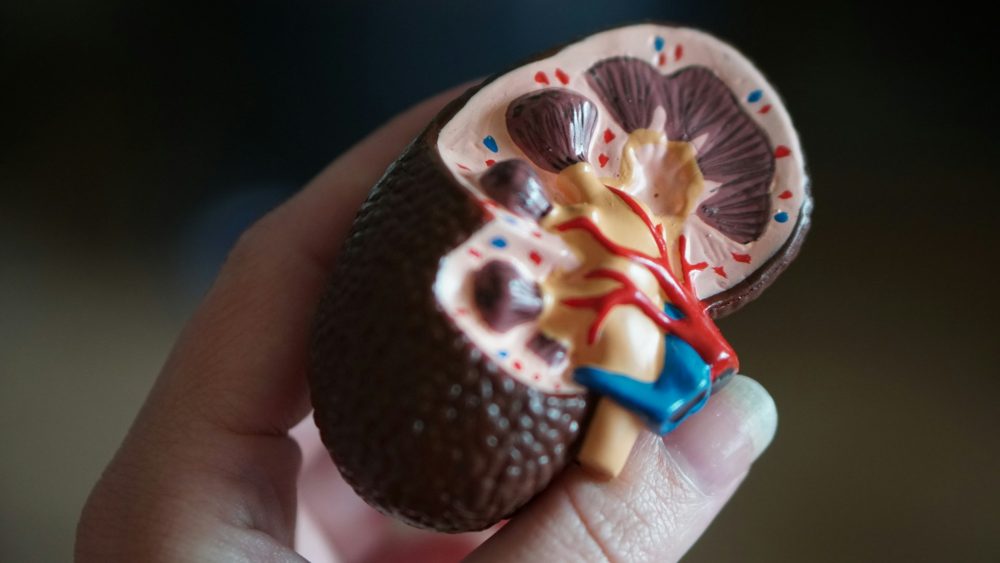
New biomarkers and targeted therapies are transforming the approach to kidney damage in systemic autoimmune diseases such as systemic lupus erythematosus (SLE) and vasculitis. However, healthcare professionals have warned that kidney involvement remains a leading cause of morbidity and mortality in these patients and one of the greatest clinical challenges for rheumatologists and nephrologists.
New biomarkers is allowing for a better understanding of disease activity
The Spanish Society of Nephrology (SEN) and the Spanish Society of Rheumatology (SER) have brought together professionals from both specialties in Madrid to analyze how new biomarkers and targeted therapies are transforming the management of these pathologies.
One of the areas where this transformation is most noticeable is lupus nephritis, one of the most serious complications of systemic lupus erythematosus (SLE). The incorporation of new biomarkers is allowing for a better understanding of disease activity and progress toward more personalized treatment models.
As has been made clear during the conference, these biomarkers allow for more precise monitoring of inflammatory activity and enable therapeutic decisions to be tailored to the characteristics of each patient.
“We are witnessing a paradigm shift. New therapeutic strategies and the identification of more precise biomarkers are improving our ability to preserve kidney function and prevent irreversible damage.” stated Dr. Ricardo Blanco, head of the Rheumatology Department at the Marqués de Valdecilla University Hospital and a member of the meeting’s scientific committee.
Furthermore, he added that “in many cases, the appearance of proteinuria, high blood pressure, or a decrease in glomerular filtration rate is the first sign that a systemic autoimmune rheumatic disease has begun to compromise target organs. Identifying these signs early is key to changing the patient’s prognosis.”
According to the doctors, these advances are helping to redefine therapeutic objectives and set more ambitious remission goals, with the aim of protecting long-term kidney function and improving the prognosis for patients.
Innovation is also reaching the treatment of ANCA-associated vasculitis and other autoimmune diseases. During the conference, physicians analyzed the emerging role of complement inhibitors, which are expanding the therapeutic options available for some patients, as well as the incorporation of nephroprotective strategies aimed at reducing the cardiovascular and metabolic risk associated with chronic kidney disease.
Dr. Susana Romero has emphasized that “collaboration between rheumatologists and nephrologists allows for a more complete assessment of the patient”
For healthcare professionals, these advances reinforce the need for close collaboration between nephrologists and rheumatologists. The complexity of these diseases and the need to jointly interpret biomarkers, renal biopsies, and renal function parameters make a multidisciplinary approach increasingly necessary.
In this regard, Dr. Susana Romero, president of the SER, has emphasized that “collaboration between rheumatologists and nephrologists allows for a more complete assessment of the patient and facilitates more precise therapeutic decisions in scenarios of high clinical complexity.”
In this regard, the president of the SEN, Dr. Emilio Sánchez, recalled that in recent years “there have been remarkable advances in the treatment of diseases such as vasculitis or lupus, with a new therapeutic arsenal and biomarkers to treat these pathologies that have a significant impact on the kidneys.”
However, he stressed the need to continue making progress in areas such as early detection, comprehensive care, and coordination between specialties to improve the care of these patients.
Vaccination and infection prevention
In addition to diagnostic and therapeutic advances, the conference addressed other relevant aspects for comprehensive care such as vaccination strategies in immunocompromised individuals, pregnancy planning in women with systemic autoimmune diseases, and the management of patients on dialysis and kidney transplantation.
As Dr. Ricardo Blanco explained, “Preventing serious infections should be considered an essential part of the treatment for patients with lupus, vasculitis, and other systemic autoimmune diseases. Minimizing complications arising from infections is just as important as controlling the disease’s immune activity.”
Dr. Ricardo Blanco has pointed out that “the prevention of serious infections should be considered an essential part of the treatment of patients with lupus, vasculitis and other systemic autoimmune diseases.”
The development of new targeted therapies and biomarkers has expanded treatment options for patients with systemic autoimmune diseases. However, they emphasized that comprehensive care also requires optimizing infection prevention, coordinating vaccination with the intensity of immunosuppression and the degree of renal function.
In this regard, Dr. Blanco pointed out that “vaccination strategies are part of the comprehensive approach to these patients. Choosing the right time to administer certain vaccines and coordinating them with immunosuppressive treatments requires careful planning and close collaboration between specialists.”
Patients as the center of clinical decision-making
Beyond diagnostic and therapeutic advances, specialists have focused on the need to strengthen coordination between nephrology and rheumatology to improve care for patients with systemic autoimmune diseases and kidney involvement.
“Many of the most complex decisions in these patients, from indicating a renal biopsy or repeat biopsy to changing immunosuppressive treatment, starting dialysis, or planning a pregnancy, require a joint assessment,” Dr. Blanco pointed out. He also noted that kidney involvement is one of the main factors that determine the progression and prognosis of these diseases .
“A percentage of patients with chronic kidney disease who have to start renal replacement therapy each year do so due to systemic autoimmune diseases, so making progress in this area is key to curbing their incidence and prevalence in Spain,” concluded the president of the SEN.
__
(Featured image by Robina Weermeijer via Unsplash)
DISCLAIMER: This article was written by a third party contributor and does not reflect the opinion of Born2Invest, its management, staff or its associates. Please review our disclaimer for more information.
This article may include forward-looking statements. These forward-looking statements generally are identified by the words “believe,” “project,” “estimate,” “become,” “plan,” “will,” and similar expressions. These forward-looking statements involve known and unknown risks as well as uncertainties, including those discussed in the following cautionary statements and elsewhere in this article and on this site. Although the Company may believe that its expectations are based on reasonable assumptions, the actual results that the Company may achieve may differ materially from any forward-looking statements, which reflect the opinions of the management of the Company only as of the date hereof. Additionally, please make sure to read these important disclosures.
First published in iSanidad. A third-party contributor translated and adapted the article from the original. In case of discrepancy, the original will prevail.
Although we made reasonable efforts to provide accurate translations, some parts may be incorrect. Born2Invest assumes no responsibility for errors, omissions or ambiguities in the translations provided on this website. Any person or entity relying on translated content does so at their own risk. Born2Invest is not responsible for losses caused by such reliance on the accuracy or reliability of translated information. If you wish to report an error or inaccuracy in the translation, we encourage you to contact us.






Blockchain Evolves Toward AI, Finance and Quantum Security
Blockchain is evolving beyond crypto into finance, AI applications, and digital markets, while security and regulation remain challenges. Quantum threats...


The Italian Crowdinvesting Market Faces Sharp Decline in 2026
Italian crowdinvesting market continued to decline in 2026, with fundraising falling 36.8% year-on-year to €164.19 million. Platforms and active campaigns...

Sartorius Stedim Biotech Maintains Growth Momentum in H1 2026
Sartorius Stedim Biotech reported solid H1 2026 results, with revenue reaching €1.527 billion and EBITDA rising to €479 million. Growth...


Bank of Africa Launches BOA MDM Network to Boost Diaspora Investment in Morocco
Bank of Africa launched the BOA MDM Network to channel diaspora remittances into productive investment, aiming to raise their share...


Switzerland’s Medical Cannabis Reform Advances Access, But Barriers Remain
Switzerland’s 2022 medical cannabis reform improved patient access by removing federal approval requirements, but challenges remain. MEDCAN highlights barriers including...
 |
|
 |  |
 |
|
-

 Cannabis3 days ago
Ali G Makes Surprise Wimbledon Appearance with Cannabis-Themed Satire
-

 Impact Investing2 weeks ago
Vexuvo Secures €39M UniCredit Financing to Drive Agrivoltaic and Storage Expansion in Italy
-

 Markets6 days ago
Oil Surge, Weak Stocks, and a Potential Turn for Gold
-

 Markets2 weeks ago
Quiet Markets Await a Catalyst as Jobs and Oil Support Sentiment