Biotech
CAR-T Cell Therapy Induces Remarkable Remission in Patient with Multiple Autoimmune Diseases
A 47-year-old woman with three severe autoimmune diseases received CAR-T cell therapy at a German hospital, achieving one-year remission without further treatment. After years of failed therapies and daily transfusions, modified T cells eliminated harmful B cells, restoring blood counts, reducing clotting risk, and resetting her immune system, dramatically improving health and quality of life.

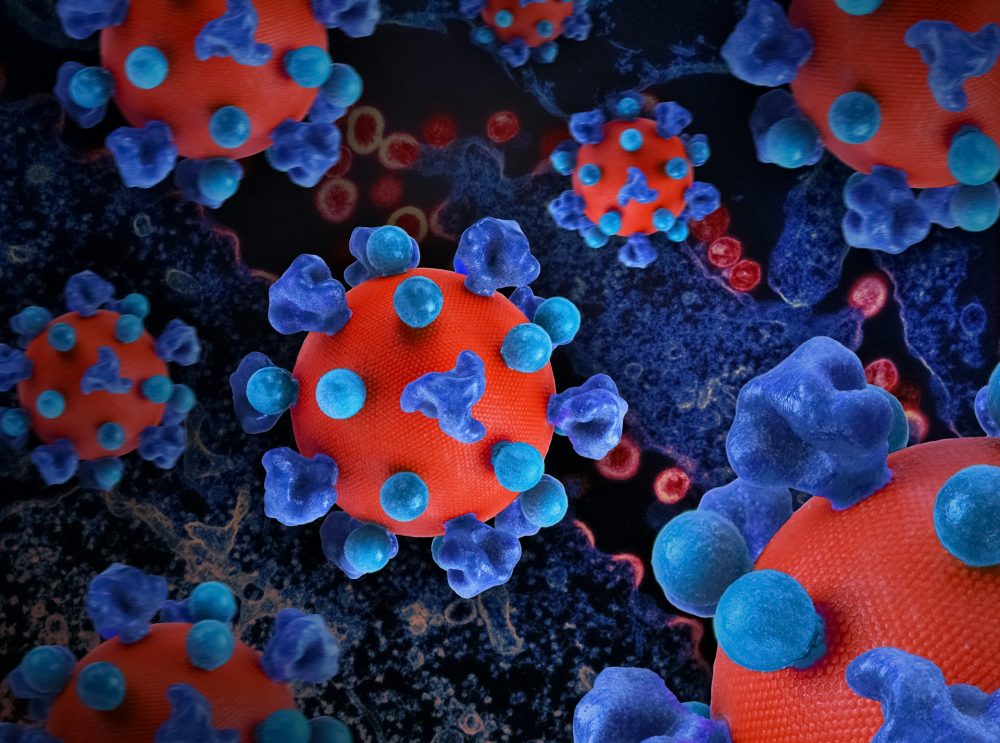
A 47-year-old woman with three autoimmune diseases: autoimmune hemolytic anemia (AIHA), immune thrombocytopenia (ITP), and antiphospholipid antibody syndrome (APS), has been treated by the University Hospital of Erlangen (Germany) with CAR-T cell therapy, resulting in a year of remission without the need for additional treatment.
According to the results of the clinical trial, published in the journal Med by Cell Press, the patient required daily blood transfusions because her underlying conditions caused her immune system to mistakenly attack and destroy her red blood cells and platelets, increasing the risk of dangerous blood clots in her vessels.
Since being diagnosed more than a decade ago, the patient had undergone nine different treatments, including antibody therapies, steroids, and immunosuppressant drugs. None had a lasting effect.
Previous treatments were ineffective against all three diseases, so a CAR-T cell therapy was chosen
In 2025, researchers at the University Hospital of Erlangen opted to change the treatment strategy, administering CAR-T cell therapy, a type of drug that uses the patient’s own immune cells to attack harmful cells. According to Dr. Fabian Müller, a physician at the hospital and lead author of the clinical trial, “the treatment was extremely effective in eliminating all three autoimmune diseases at once.”
He added that “after more than a decade of illness, the patient is now in remission without treatment and can resume a near-normal life. This therapy significantly improved her quality of life.”
To develop the therapy, the team extracted the patient’s white blood cells and isolated her T lymphocytes, immune cells that actively scan the body for infected or abnormal cells and destroy them. The researchers then genetically modified the patient’s T lymphocytes to recognize a protein called CD19, which is present on B lymphocytes, immune cells that produce antibodies. Finally, they reintroduced the CAR-T cells into the patient to seek out and eliminate all of her B lymphocytes.
One week after treatment, the patient required her last blood transfusion. Two weeks later, she reported feeling stronger and was able to resume her daily activities. Three weeks after completing treatment, her hemoglobin levels, a protein found in red blood cells, doubled and returned to normal, suggesting that her immune system was no longer destroying her red blood cells.
Researchers believe the positive results are possible because CAR-T cells can reach different tissues in the body, eliminating dysregulated cells
At the same time, the therapy improved her other autoimmune conditions. Her levels of antiphospholipid antibodies, associated with dangerous blood clots, gradually decreased and remained negative. Her platelet count also stabilized. “After more than ten years of illness, the patient’s blood count normalized in just a few weeks. The speed and magnitude of the response were extraordinary,” said Müller.
He added that the reason the therapy worked so well is likely because CAR-T cells could reach different tissues in the body and eliminate all the dysregulated cells , both mature and developing. When the patient’s B cells reappeared months later, they were composed almost entirely of naïve cells, suggesting that the treatment reset her immune system.
“We believe that the early use of CAR-T therapy in patients with severe autoimmune diseases could help prevent complications resulting from years of ineffective treatments ,” Müller emphasizes. “If we can intervene earlier, we could halt the disease process, prevent organ damage, and restore patients’ quality of life.”
A year has passed since she completed her treatment, and the patient still requires no transfusions or other treatments. While she still has low white blood cell counts and mild elevations in liver enzymes associated with possible bone marrow and liver damage, the team states that these conditions could be related to years of previous treatments rather than the CAR-T therapy itself.
__
(Featured image by National Institute of Allergy via Unsplash)
DISCLAIMER: This article was written by a third party contributor and does not reflect the opinion of Born2Invest, its management, staff or its associates. Please review our disclaimer for more information.
This article may include forward-looking statements. These forward-looking statements generally are identified by the words “believe,” “project,” “estimate,” “become,” “plan,” “will,” and similar expressions. These forward-looking statements involve known and unknown risks as well as uncertainties, including those discussed in the following cautionary statements and elsewhere in this article and on this site. Although the Company may believe that its expectations are based on reasonable assumptions, the actual results that the Company may achieve may differ materially from any forward-looking statements, which reflect the opinions of the management of the Company only as of the date hereof. Additionally, please make sure to read these important disclosures.
First published in iSanidad. A third-party contributor translated and adapted the article from the original. In case of discrepancy, the original will prevail.
Although we made reasonable efforts to provide accurate translations, some parts may be incorrect. Born2Invest assumes no responsibility for errors, omissions or ambiguities in the translations provided on this website. Any person or entity relying on translated content does so at their own risk. Born2Invest is not responsible for losses caused by such reliance on the accuracy or reliability of translated information. If you wish to report an error or inaccuracy in the translation, we encourage you to contact us.








Vexuvo Secures €7.4M to Boost Agrivoltaic and Storage Growth
Vexuvo and the Sella Group have reached 7.4 million euros in total funding to support renewable energy growth. A new...

CAR-T Cell Therapy Induces Remarkable Remission in Patient with Multiple Autoimmune Diseases
A 47-year-old woman with three severe autoimmune diseases received CAR-T cell therapy at a German hospital, achieving one-year remission without...


Markets Rebound Briefly as War Risks and Inflation Persist
Artemis II’s safe return contrasted with failed peace talks, ending hopes of a sustained ceasefire. Markets briefly rallied on optimism,...


Dow Jones Near Highs Amid Low Volatility but Caution Signals Emerging
The Dow Jones recently closed near record highs after only a mild 10% correction, suggesting market strength. However, a few...


The TopRanked.io Weekly Digest: What’s Hot in Affiliate Marketing [LiveChat Affiliates Review]
Quick Disclosure: We’re about to tell you how LiveChat Affiliates run a top-notch affiliate program. And we really mean it....
 |
|
 |  |
 |
|
-

 Crowdfunding2 weeks ago
Democratizing Farmland Investment: The Rise of Farm Fractions in Agritech
-
 Biotech6 days ago
Biobanks Drive Progress in Rare Disease Research Through Collaboration and Ethical Practice
-

 Business2 weeks ago
Markets Volatility, Geopolitics, and Signals of a Potential Trend Shift
-

 Cannabis3 days ago
Germany Sees 413 Cannabis Cultivation Clubs Two Years After Partial Legalization