Biotech
Cardiac Imaging as a Strategic Pillar of Europe’s Safe Hearts Plan
The European Commission’s Safe Hearts Plan promotes proactive, precision cardiovascular care using innovation, digitalization, and responsible AI. Spanish radiology and cardiac imaging societies strongly support it, stressing that success depends on recognizing cardiac imaging as a strategic, cross-cutting tool for prevention, early diagnosis, data integration, equity, efficient care pathways, and sustainable implementation across Europe wide.

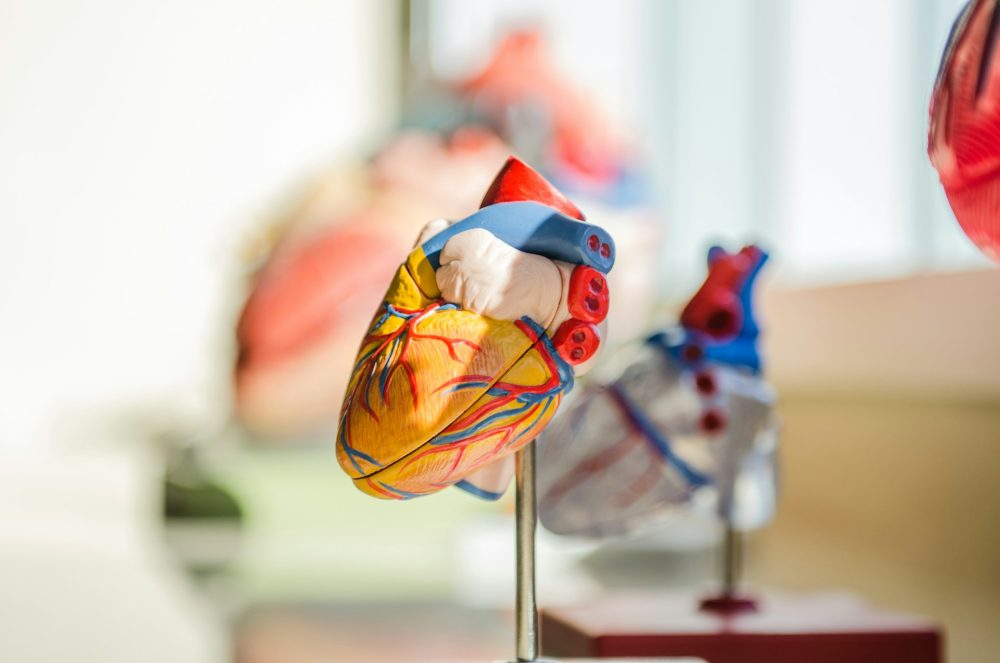
The European Commission ‘s Safe Hearts Plan advocates for more proactive and precision medicine, supported by technological innovation, digitalization, and the responsible use of artificial intelligence (AI). This document marks a turning point in the approach to cardiovascular disease in Europe, maintaining a focus on prevention, early diagnosis, and equitable access to healthcare.
While the Spanish Society of Medical Radiology ( SERAM ) and the Spanish Society of Cardiac Imaging ( SEICAT ) have given this European plan a very positive assessment, both societies believe that these objectives cannot be achieved without recognizing the strategic role of medical imaging, and in particular cardiac imaging, as a cross-cutting tool throughout the entire care process.
In this regard, the Spanish Society of Radiology (SERAM) and the Spanish Society of Intensive Care Medicine (SEICAT) emphasize that medical imaging is one of the most advanced fields in the clinical application of these technologies. Radiologists must assume a leading role in the management and integration of clinical and imaging data, ensuring its quality, interoperability, and ethical use, and contributing to reducing inequalities, including gender bias.
Both societies warn that this presents an organizational challenge. The increased demand for imaging studies requires adequate resource planning, enhanced professional training, improved accessibility , and a reorganization of care pathways to guarantee equitable and sustainable implementation over time.
The European Commission’s Safe Hearts Plan advocates for more proactive and precision medicine, supported by technological innovation, digitalization and the responsible use of AI.
The Spanish Society of Medical Angiology and Radiology (SERAM) and the Spanish Society of Cardiology, Asthma and Traumatology (SEICAT) reaffirm their commitment to collaborate with other scientific societies and health authorities to promote the effective implementation of the Safe Hearts Plan in Spain, both in clinical practice and in the area of health policy.
These societies believe that cardiac imaging should be a strategic element in cardiovascular prevention.
Identifying diseases with cardiac imaging
Cardiac imaging techniques allow for the identification of disease in subclinical stages, precise cardiovascular risk stratification, and the guidance of personalized preventive interventions. Cardiac magnetic resonance imaging (MRI) offers a unique advantage in the insular characterization of the myocardium and the early detection of dysfunction, even before evident clinical alterations appear.
This information is crucial for therapeutic management and has a direct impact on the prognosis of numerous pathologies, from cardiomyopathies to inflammatory or infiltrative processes.
“Cardiac imaging is already a veritable avalanche in Radiology departments and will be even more so in the coming years. We must adapt to this reality and fully embrace its enormous value in improving cardiovascular health and the survival of the entire population,” said Dr. Eliseo Vañó Galván, president of SEICAT.
In addition to these advanced techniques, other widely available imaging modalities provide valuable information for the early identification of cardiovascular risk. Among them is carotid and femoral artery ultrasound , which detects subclinical atherosclerotic plaques, a direct marker of atherosclerosis and a powerful predictor of future cardiovascular events.
The radiologist must assume a leadership role in the management and integration of clinical and imaging data
In recent years, the concept of opportunistic imaging has gained particular interest . This involves leveraging studies performed for other reasons to extract additional information of cardiovascular interest. A prime example is mammography, routinely used in breast cancer screening programs.
The detection of vascular calcifications in the mammary arteries has been associated with an increased risk of cardiovascular disease, especially in women, offering a unique opportunity to raise awareness of vascular risk in a population traditionally underrepresented in cardiovascular studies. Similarly, thoracoabdominal CT allows for the identification of coronary, aortic, and other vascular calcifications, as well as visceral fat deposits.
On the other hand, the incorporation of artificial intelligence tools is facilitating the automatic detection and quantification of these markers in conventional imaging studies, promoting more efficient, integrated, and cost-effective prevention. According to Dr. Pepe Albillos, president of SERAM, “medical imaging is key to reducing diagnostic delays , guiding therapeutic decision-making , planning interventional procedures, and providing appropriate patient follow-up.” Dr. Albillos believes that integrating medical imaging into multidisciplinary care models contributes to more efficient, coordinated, and patient-centered care.
__
(Featured image by jesse orrico via Unsplash)
DISCLAIMER: This article was written by a third party contributor and does not reflect the opinion of Born2Invest, its management, staff or its associates. Please review our disclaimer for more information.
This article may include forward-looking statements. These forward-looking statements generally are identified by the words “believe,” “project,” “estimate,” “become,” “plan,” “will,” and similar expressions. These forward-looking statements involve known and unknown risks as well as uncertainties, including those discussed in the following cautionary statements and elsewhere in this article and on this site. Although the Company may believe that its expectations are based on reasonable assumptions, the actual results that the Company may achieve may differ materially from any forward-looking statements, which reflect the opinions of the management of the Company only as of the date hereof. Additionally, please make sure to read these important disclosures.
First published in iSanidad. A third-party contributor translated and adapted the article from the original. In case of discrepancy, the original will prevail.
Although we made reasonable efforts to provide accurate translations, some parts may be incorrect. Born2Invest assumes no responsibility for errors, omissions or ambiguities in the translations provided on this website. Any person or entity relying on translated content does so at their own risk. Born2Invest is not responsible for losses caused by such reliance on the accuracy or reliability of translated information. If you wish to report an error or inaccuracy in the translation, we encourage you to contact us.
















The TopRanked.io Weekly Digest: What’s Hot in Affiliate Marketing [++ KuCoin Affiliate Program Review]
X now allows people to block certain topics from their feed. This week, we're going to tell you how to...


Hotel Stay Project Supports Wildlife Conservation in Japan
Iwate Prefecture launched a project linking hotel stays to conservation through Morioka Zoological Park Zoomo. A themed room at Yunomori...


Bitcoin Leads Modest Crypto Rebound Amid Mixed Signals
Bitcoin rose 2 percent to above 77000 as ETFs saw 15 million inflows and April gains of 12.2 percent. Ethereum...

Major Pharma Advances: EU Approvals, Vaccine Progress, and Breakthrough Clinical Results
Johnson & Johnson has EU approval for nipocalimab for generalized myasthenia gravis, showing superior control and sustained benefits. Sanofi reported...

Agential Cannabis 2026 to Drive APAC Market Growth and Global Industry Collaboration
Agential Cannabis 2026 will take place September 23–24 in Bangkok, bringing global experts together to advance the APAC medical cannabis...
 |
|
 |  |
 |
|
-

 Markets4 days ago
Sugar Markets Rise as Global Supply Outlook Strengthens
-

 Crypto2 weeks ago
Bitcoin Holds Steady as Institutions Move In and Crypto Markets Stay Neutral
-
 Crowdfunding1 day ago
Hotel Stay Project Supports Wildlife Conservation in Japan
-

 Impact Investing1 week ago
Closing the Gap: From Climate Commitments to Urgent Action