Crypto
Ethereum’s Growing Capacity Puts Pressure on Layer 2 Platforms
Ethereum founder Vitalik Buterin warns that Layer 2 solutions may face tough times as Ethereum’s Layer 1 increasingly expands its own capacity. He argues the original role of Layer 2 no longer fully makes sense, criticizing some projects for weak decentralization. Layer 2s must offer unique features to remain relevant as Ethereum reasserts itself as the core platform.

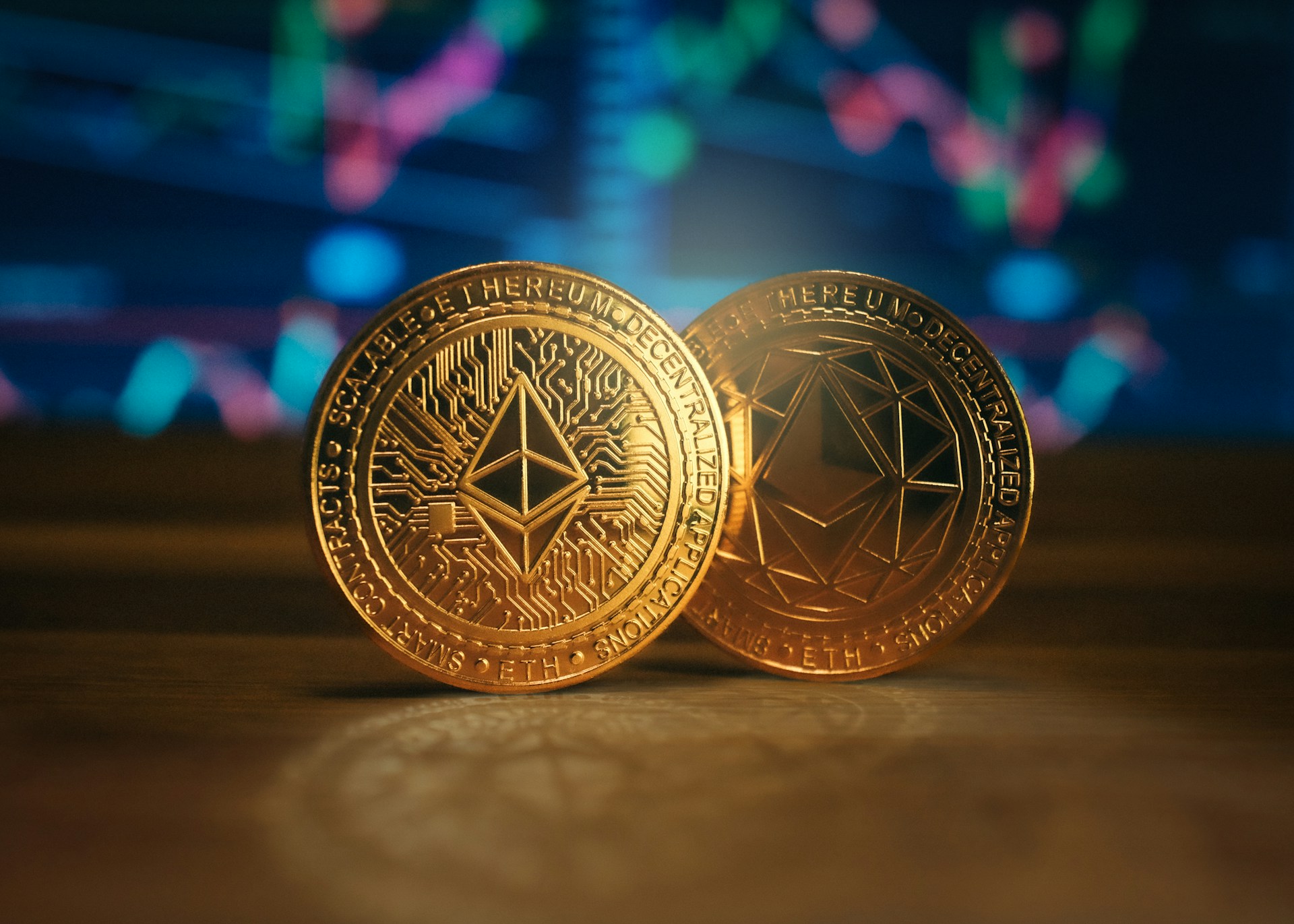
Ethereum founder Vitalik Buterin predicts tough times ahead for Layer 2 solutions, as the ETH blockchain itself is increasingly providing more capacity. Buterin’s analysis sounds harsh for projects like Arbitrum, Polygon, or Optimism.
In recent years, the Ethereum ecosystem has become accustomed to so-called Layer 2 solutions. Dozens of projects connect to the ETH blockchain as subordinate entities and document their activities there. Ethereum was able to solve its capacity problems with these Layer 2 structures and has deeply integrated them with the Dencun and, most recently, Fusaka upgrades. But now, Ethereum mastermind Vitalik Buterin is calling on X to take a “new path.” The original role of Layer 2 in Ethereum “no longer makes sense,” according to Buterin.
Layer-2, such as Arbitrum, Polygon, or Optimism, by ETH inventors, are under threat
Offerings like Arbitrum , Polygon, or Optimism should now be setting off alarm bells. While Buterin doesn’t explicitly mention Layer 2, his argument is clear: Ethereum is constantly expanding capacity on its own network, Layer 1, and is therefore no longer dependent on Layer 2. Back in January, Buterin had already announced the solution to the “blockchain trilemma” and, based on this, predicted further capacity gains for Ethereum.
Buterin makes no secret of his distrust of some Layer 2 entities. In his view, these entities present themselves as belonging to the “Ethereum brand” but are unwilling or unable to uphold ETH’s fundamental principles.
As examples, Buterin cites advanced decentralization, which protects activities within the Ethereum ecosystem from censorship and other interference. He knows of at least one Layer 2 entity that refuses to pursue the goal of a ZK-EVM. The “Zero Knowledge” feature is intended to protect privacy and enhance the performance of the Ethereum Virtual Machine (EVM), the central hub of the ETH ecosystem.
In the Ethereum ecosystem, Layer-2 will have to tweak profiles
According to Buterin, Ethereum shouldn’t completely abandon Layer 2. These layers would need to offer unique features like high speed and anonymity to become indispensable.
However, Buterin writes that those who don’t adhere to fundamental ETH development plans will have little chance of success and expresses his desire for responsible handling of the Ethereum brand . The 32-year-old sits on the board of the Ethereum Foundation and typically oversees technological aspects of ETH’s development.
Conclusion: Is Layer-2 on Ethereum facing its demise?
Commercialized Layer 2 platforms are already going through a tricky phase. A trend is emerging where large corporations, the traditional financial industry, and cryptocurrency exchanges are no longer using existing Layer 2 platforms when building bridges to Ethereum.
Instead, companies like Google, Kraken, and others are favoring their own proprietary Layer 2 platforms. Now, established Layer 2 platforms like Arbitrum and Polygon are threatened with further decline in importance, driven by Ethereum itself. Vitalik Buterin’s statements will undoubtedly spark debate, but at their core, they represent a politely worded critique of the Layer 2 concept and a return to Ethereum as the core brand.
__
(Featured image by Victor Forgacs via Unsplash)
DISCLAIMER: This article was written by a third party contributor and does not reflect the opinion of Born2Invest, its management, staff or its associates. Please review our disclaimer for more information.
This article may include forward-looking statements. These forward-looking statements generally are identified by the words “believe,” “project,” “estimate,” “become,” “plan,” “will,” and similar expressions. These forward-looking statements involve known and unknown risks as well as uncertainties, including those discussed in the following cautionary statements and elsewhere in this article and on this site. Although the Company may believe that its expectations are based on reasonable assumptions, the actual results that the Company may achieve may differ materially from any forward-looking statements, which reflect the opinions of the management of the Company only as of the date hereof. Additionally, please make sure to read these important disclosures.
First published in BLOCK-BUILDERS.DE. A third-party contributor translated and adapted the article from the original. In case of discrepancy, the original will prevail.
Although we made reasonable efforts to provide accurate translations, some parts may be incorrect. Born2Invest assumes no responsibility for errors, omissions or ambiguities in the translations provided on this website. Any person or entity relying on translated content does so at their own risk. Born2Invest is not responsible for losses caused by such reliance on the accuracy or reliability of translated information. If you wish to report an error or inaccuracy in the translation, we encourage you to contact us.











ECSP Crowdfunding vs. eWpG Bonds: Overcoming SME Financing Limits
The ECSP Regulation limits annual crowdfunding per project promoter to €5 million, requiring a full prospectus for higher amounts, which delays...


Germany’s Cannabis Reform Shows Limited Risks but Calls for Regulatory Adjustments
Two years after Germany’s partial cannabis legalization, an evaluation finds no significant rise in consumption and some reduction in the...

Ortus Secures €97M Green Loan to Expand Solar Portfolio in Italy
Ortus Power Resources Italy secured a €97 million green, non-recourse loan to refinance 23 MW of operating solar plants and...


Foreign Exchange Markets Walk a Tightrope Amid Geopolitical Tensions and Policy Uncertainty
Foreign exchange markets remain fragile amid geopolitical tensions, monetary shifts, and persistent volatility. The dollar stayed a safe haven without...


Crypto Holds Steady as Tensions Rise and Regulatory Concerns Grow
Crypto markets remained cautious as a US ultimatum to Iran nears expiry. Bitcoin and Ethereum traded sideways despite strong ETF...
 |
|
 |  |
 |
|
-
 Business1 week ago
Markets Volatility, Geopolitics, and Signals of a Potential Trend Shift
-
 Impact Investing7 days ago
EU Taxonomy 2025: Progress in ESG Reporting, Gaps in True Sustainability
-

 Africa2 weeks ago
Bank Al-Maghrib Launches Reforms to Boost Credit via Non-Performing Loan Market
-

 Fintech2 days ago
Toss Explores Blockchain Mainnet to Power Next-Generation Financial Services