Impact Investing
EU Backs 90% Emissions Cut by 2040 and Delays ETS2 Rollout
The European Parliament backed a binding 90% emissions reduction target by 2040 and delayed the ETS2 carbon market for transport and buildings to 2028. The plan adds flexibility through carbon credits and removals, balances competitiveness concerns, and includes biennial reviews as the EU advances toward climate neutrality and prepares final Council approval and implementation.

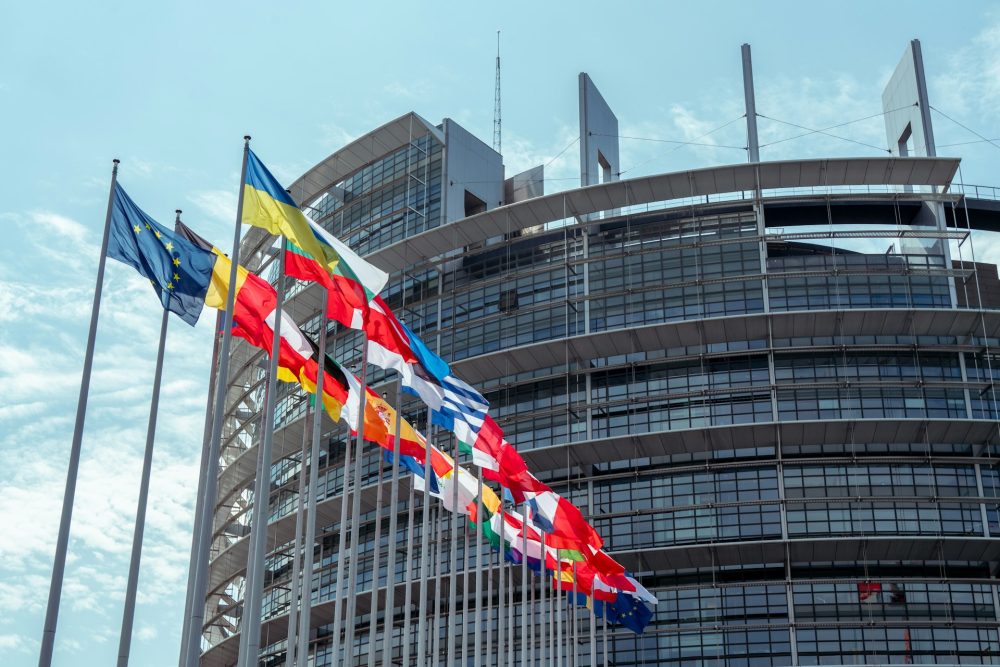
The EU Parliament votes in favor of a binding 90% emissions reduction target by 2040. It also gives the green light to the postponement of the ETS2, the CO2 emissions trading system extended to the road transport and building heating sectors.
With 413 votes in favour, 226 against and 12 abstentions, the European Parliament definitively approved the amendments to the European Climate Law, which set a new binding interim target: a 90% reduction in net greenhouse gas emissions by 2040 compared to 1990 levels.
The green light follows a political agreement with the Council of the European Union, which introduced a series of flexibilities to make the new target achievable, also in light of concerns expressed by some member states about economic competitiveness and the costs of the green transition.
The vote also saw the postponement by one year of ETS2 , the new emissions trading system that will extend the price of carbon to road transport fuels and the heating of buildings.
The amendments to the Climate Law will now need to be formally approved by the Council. The regulation will enter into force 20 days after its publication in the Official Journal of the European Union.
The evolution of the 2021 Climate Law
The European Climate Law, adopted in 2021, made the objective of climate neutrality by 2050 legally binding , also setting an intermediate target of at least 55% reduction in emissions by 2030.
According to a recent update from the European Commission, the Union is almost on track to meet its 2030 target: by the end of 2023, emissions had already decreased by 37% compared to 1990.
In July 2025, the Commission proposed amending the legislation by introducing a new 90% target by 2040 and allowing the limited use of international carbon credits under Article 6 of the Paris Agreement.
The flexibilities introduced: more space for carbon credits
The agreement reached between Parliament and the Council expands the role of carbon markets compared to the initial proposal.
International credits up to 5%
From 2036 , up to five percentage points of the reductions can come from high-quality international carbon credits (two points more than the 3% initially proposed).
This means that the EU will still have to achieve an effective domestic reduction of 85% by 2040.
Credits may:
Come only from countries with climate policies aligned with the goals of the Paris Agreement
Be used exclusively for emissions not covered by the European ETS
Permanent carbon removals
The text also allows for the use of permanent CO₂ removals to offset hard-to-abate emissions in sectors covered by the ETS, increasing flexibility across instruments and sectors.
ETS2: What it is and what changes with the postponement to 2028
The vote also confirmed the postponement of ETS2 from 2027 to 2028.
ETS2 is the extension of the European Emissions Trading System (ETS) to new sectors previously excluded from carbon pricing, namely:
Road transport
Buildings (combustion of fuels for heating)
The goal is to incentivize emissions reductions in these sectors as well, pushing for more efficient solutions and clean technologies.
The approved text also introduced further flexibilities , allowing Member States to compensate for any imbalances between sectors in achieving climate objectives, to avoid excessive impacts on families and businesses.
Biennial review of the 2040 target
Another key element of the agreement is the biennial assessment of progress towards the 2040 target.
The Commission will have to take into account updated scientific data, technological developments, energy prices and the impact on households and businesses, the level of net removals and the EU’s international competitiveness.
If necessary, it may propose a revision of the legislation, including modifying the 2040 target or introducing additional measures to protect competitiveness and social cohesion.
A balance between climate ambition and competitiveness
The new 90% target represents one of the most ambitious climate goals globally. However, the introduction of flexibility mechanisms, the periodic review, and the postponement of ETS2 signal the EU’s desire to maintain a balance between ecological transition, economic stability, and industrial competitiveness .
2040 thus becomes the crucial stage towards climate neutrality by 2050, with a trajectory that can be adjusted based on technological, energy, and economic developments in the coming years.
__
(Featured image by Lukas S via Unsplash)
DISCLAIMER: This article was written by a third party contributor and does not reflect the opinion of Born2Invest, its management, staff or its associates. Please review our disclaimer for more information.
This article may include forward-looking statements. These forward-looking statements generally are identified by the words “believe,” “project,” “estimate,” “become,” “plan,” “will,” and similar expressions. These forward-looking statements involve known and unknown risks as well as uncertainties, including those discussed in the following cautionary statements and elsewhere in this article and on this site. Although the Company may believe that its expectations are based on reasonable assumptions, the actual results that the Company may achieve may differ materially from any forward-looking statements, which reflect the opinions of the management of the Company only as of the date hereof. Additionally, please make sure to read these important disclosures.
First published in ESG NEWS. A third-party contributor translated and adapted the article from the original. In case of discrepancy, the original will prevail.
Although we made reasonable efforts to provide accurate translations, some parts may be incorrect. Born2Invest assumes no responsibility for errors, omissions or ambiguities in the translations provided on this website. Any person or entity relying on translated content does so at their own risk. Born2Invest is not responsible for losses caused by such reliance on the accuracy or reliability of translated information. If you wish to report an error or inaccuracy in the translation, we encourage you to contact us.













Blockchain Adoption Accelerates as SwissChain and Amundi Launch Tokenized Financial Solutions
SwissChain Holding SA has digitized its share certificates using blockchain, improving transparency, efficiency, and ownership tracking while maintaining Swiss legal...


Cocoa Markets Steady as Weak Demand and Rising Supply Signal Potential Surplus
New York and London markets higher range trading, with mixed short term trends. Strong West African harvests and favorable rains...

Global Markets on Edge as Iran Conflict, Inflation Pressures, and Financial Risks Intensify
Iran conflict threatens economy disruptions beyond energy to agriculture and goods. Rising PPI signals persistent inflation, risking stagflation reminiscent of...


The Iran War Tests Bitcoin and Crypto Market Resilience
The Iran war has driven oil prices higher and disrupted crypto markets. Bitcoin rose despite volatility, while mining activity declined....


Italy’s Pharmaceutical Sector Drives Innovation, Sustainability, and European Leadership
Italy’s pharmaceutical sector invests €4 billion annually, including €2.3 billion in R&D and €1.7 billion in industrial technologies, up 21%...
 |
|
 |  |
 |
|
-

 Markets2 weeks ago
Stagflation Fears Rise as Energy Shock and Iran Conflict Shake Markets
-

 Biotech1 week ago
AI Boosts Cancer Detection While Cutting Radiologists’ Workload
-

 Africa2 weeks ago
African Bank Appoints Manyathi as Interim CEO After Bungane’s Departure
-

 Crowdfunding5 days ago
Peru’s Crowdfunding Sector Shrinks Amid License Revocation