Impact Investing
EU End-of-Life Vehicles Rule Pushes Cars Toward a Circular Economy
The EU agreed on a new End-of-Life Vehicles regulation to boost a circular automotive economy. It mandates easier dismantling, stronger producer responsibility, stricter exports, and higher recycling of steel, aluminum, copper, and plastics. From 2036, cars must contain 25 percent recycled plastic, cutting imports, emissions, and keeping valuable materials circulating within Europe and supply chains.

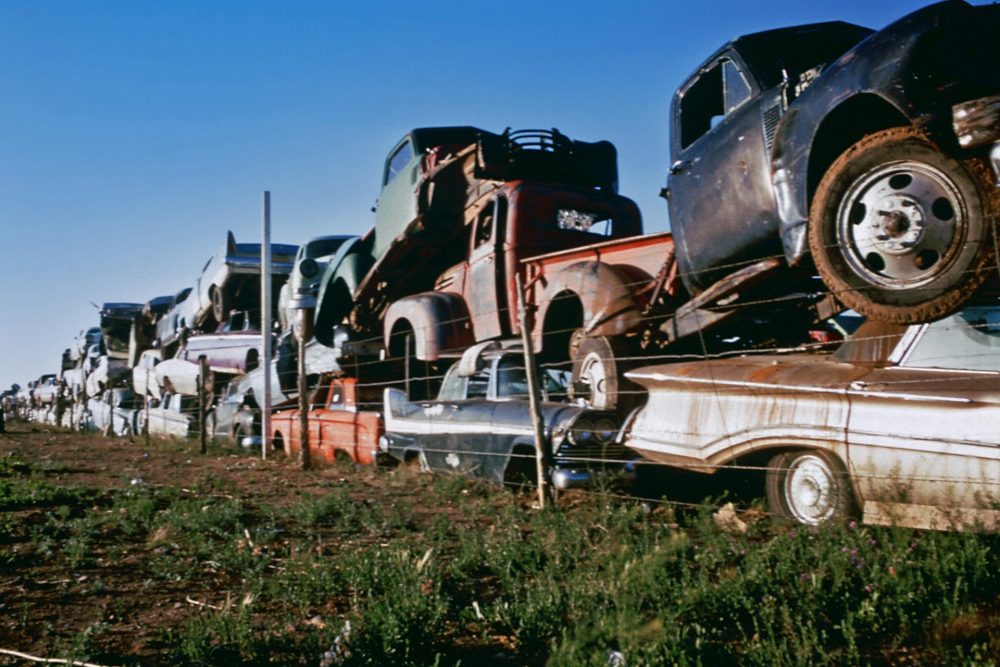
The EU has reached an agreement on the ELV (End-of-Life Vehicles) Regulation to make the automotive sector more circular by improving the recycling of steel, aluminum, copper, and plastic from end-of-life vehicles.
The European Union is accelerating the automotive circular economy
The European Parliament and Council have reached an agreement on the new regulation on end-of-life vehicles (ELVs) , which aims to radically change the way cars are designed, dismantled, and recycled.
Among the key innovations, the text introduces mandatory targets for recycled plastic content: from 2036, at least 25% of the plastic used in vehicles must come from recycled material, of which 20% must be recovered from end-of-life vehicles. Furthermore, the regulation significantly strengthens producer responsibility by imposing higher standards for the dismantling, recycling, and reuse of components, thus keeping steel, aluminum, copper, and rare earths within the European economic cycle.
The automotive industry is among the largest consumers of raw materials such as steel, aluminum, copper, and plastic . Improving the recovery and reuse of these resources within the EU not only reduces dependence on imports but also contributes to the continent’s environmental and climate goals. The new measures in the ELV Regulation could enable the recycling and reuse of hundreds of tonnes of rare earths, as well as 5-6 million tonnes of steel, 1-2 million tonnes of aluminum, and 0.2-0.3 million tonnes of copper, thus supporting a competitive and sustainable automotive industry.
“At a time when access to raw materials is under increasing global pressure, better use of the precious resources contained in our old cars is good for the environment, competitiveness, and resilience. This regulation is the right tool to achieve our circular economy ambitions, ensuring that the valuable materials inside every vehicle are recovered at the end of their lifecycle and retained within our economy,” commented Jessika Roswall , Commissioner for Environment, Water Resilience and a Competitive Circular Economy.
The regulation will enter into force 20 days after its publication in the Official Journal of the EU, following formal adoption by the Parliament and the Council.
Key measures of the EU regulation
The new regulation stipulates that vehicles must be designed to ensure easier dismantling, accompanied by clear and detailed instructions for the removal and replacement of components both during use and at the end of their life.
For the first time in Europe, mandatory targets for the recycled plastic content of vehicles are being introduced: starting in 2036, at least 25% of the plastic used must come from recycled material , 20% of which must come from end-of-life vehicles. The rule will apply to both EU-produced and imported vehicles, ensuring a level playing field and stimulating demand for recycled materials.
The regulation also improves standards for the treatment of end-of-life vehicles, allowing for the recovery of more consistent and higher-quality materials, with a minimum recycling target of 30% for plastics from end-of-life vehicles . It also incentivizes the reuse , remanufacturing , and refurbishment of components, increasing the availability of second-hand spare parts and offering consumers more affordable repair options.
Producer responsibility is strengthened through harmonized national Extended Producer Responsibility systems, which ensure proper financing of the treatment of end-of-life vehicles and promote higher-quality recycling.
Finally, enforcement will be stricter: more inspections and a clear distinction between old and end-of-life vehicles will ensure that only circular vehicles can be exported outside the EU, thus keeping materials within a sustainable recycling loop.
__
(Featured image by Documerica via Unsplash)
DISCLAIMER: This article was written by a third party contributor and does not reflect the opinion of Born2Invest, its management, staff or its associates. Please review our disclaimer for more information.
This article may include forward-looking statements. These forward-looking statements generally are identified by the words “believe,” “project,” “estimate,” “become,” “plan,” “will,” and similar expressions. These forward-looking statements involve known and unknown risks as well as uncertainties, including those discussed in the following cautionary statements and elsewhere in this article and on this site. Although the Company may believe that its expectations are based on reasonable assumptions, the actual results that the Company may achieve may differ materially from any forward-looking statements, which reflect the opinions of the management of the Company only as of the date hereof. Additionally, please make sure to read these important disclosures.
First published in ESG NEWS. A third-party contributor translated and adapted the article from the original. In case of discrepancy, the original will prevail.
Although we made reasonable efforts to provide accurate translations, some parts may be incorrect. Born2Invest assumes no responsibility for errors, omissions or ambiguities in the translations provided on this website. Any person or entity relying on translated content does so at their own risk. Born2Invest is not responsible for losses caused by such reliance on the accuracy or reliability of translated information. If you wish to report an error or inaccuracy in the translation, we encourage you to contact us.















TopRanked.io Weekly Affiliate Digest: What’s Hot in Affiliate Marketing [1xBet Affiliate Program]
If you thought nobody liked cricket, then this week, we're proving you wrong. And by the time we're done, you'll...


Tether Seeks Big Four Audit to Boost USDT Transparency
Tether, issuer of USDT, plans a full audit by a Big Four firm to address transparency concerns over its $184...


H&M Advances Sustainability and Cuts Emissions by 2025
H&M Group reported that by 2025, 91% of materials were recycled or sustainably sourced, with recycled content reaching 32%. Emissions...


NHS Funds Breakthrough CAR-T Therapy Breyanzi for Lymphoma Treatment in Spain
Bristol Myers Squibb announced NHS funding for CAR-T therapy Breyanzi, enabling its use from April 1st in Spain for lymphoma...


Crypto Markets Volatile as Bitcoin Hovers, Solana Eyes AI Integration
Crypto markets remain volatile amid the Iran war, with Bitcoin near $70,000 and ETF inflows improving outlook. Ethereum faces declines...
 |
|
 |  |
 |
|
-

 Impact Investing2 weeks ago
Antarctica Warming Reshapes Global Atmospheric Circulation
-
 Business6 days ago
Anemic Labor Market and the End of Passive Money Flows
-

 Fintech3 days ago
DZ Bank Pioneers Blockchain Bond Issuance, Advancing Tokenized Finance
-

 Crypto2 weeks ago
Crypto Markets Now Steady as Fed Decision Looms