Cannabis
Germany’s Medical Cannabis Market: Legal Reform, Falling Prices, and Rapid Expansion
Germany’s medical cannabis market is booming after 2024 legal reforms reclassified cannabis as a prescription drug, boosting access and imports from 72.85 to 201 tons. Telemedicine, competition, and global partnerships lowered prices and expanded supply. Despite pressure on profits, the market nears €1 billion, offering patients cheaper, diverse products and easier access across Europe today.

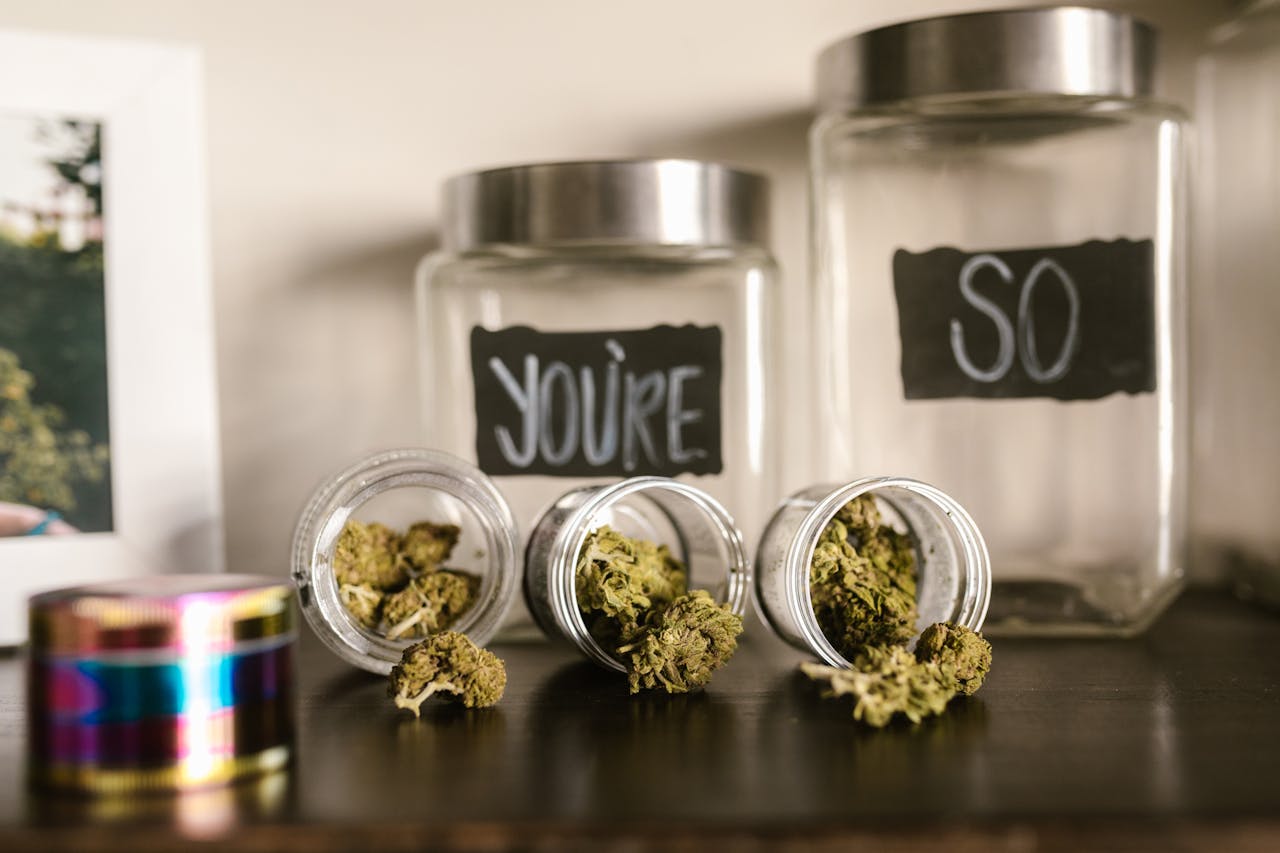
The German medical cannabis market is currently experiencing a golden age. The data for 2025 leaves no doubt. The country has become a key player in Europe.
According to the latest report from the Federal Institute for Drugs and Medical Devices (BfArM), Germany imported over 201 tons of medical cannabis last year. This is a huge leap. By comparison, in 2024, the figure was just 72.85 tons. What is behind this success, and what changes await patients?
Why is the medical cannabis market in Germany growing so fast?
The main reason is a change in the law. On April 1st, 2024, cannabis was no longer considered a dangerous drug (narcotic) in Germany. It became a prescription medication. This opened the door to thousands of new patients.
Today, the treatment process is very simple. Patients use telemedicine platforms like “DoktorABC.” Often, a short online consultation and completion of a questionnaire are enough. The prescription is sent directly to the mail-order pharmacy. The patient receives the package with the medication right to their door. It’s a convenience that no one dreamed of just a few years ago.
The Billion-Dollar Market and the Price War
By 2025, the German medical cannabis market is expected to reach €1 billion. Hundreds of companies are attracting such large sums. The result? Fierce competition and falling prices.
Alfredo Pascual, a renowned market analyst, points to an interesting trend. Pharmacy shelves are seeing a growing number of different varieties of cannabis. This is putting pressure on producers. According to data from the Cannamonitor system, the average price per gram has dropped from €8.20 to around €5.20 . Patients are paying less, but companies are struggling to survive. Margins, or the profits from selling a single gram, are shrinking.
Did you know? The price drop to €5.20 makes medical cannabis cheaper in Germany than on the black market in many European countries.
The Great Merger: Bavaria Joins Forces with Lesotho
Faced with low prices, companies are forced to look for savings. The most high-profile move of 2025 is the merger of Bavarian company Canify AG with African manufacturer MG Health Limited.
This combination is pure pragmatism. Canify specializes in technology and distribution in Europe. MG Health, on the other hand, has vast plantations in Lesotho. Why there?
Free energy: Plants grow in full sun at high altitude.
Certifications: MG Health is one of the few in Africa to be certified by EU-GMP. This is a set of strict rules that guarantee the safety and purity of the medicine.
Costs: Indoor farming in Germany is very expensive due to high electricity prices. In Lesotho, nature does most of the work for free.
Thanks to this merger, the new group will operate in over seven countries. This demonstrates the market’s globalization.
Canada still dominates the medical cannabis business, but competition is nipping at its heels
Despite growing production in other parts of the world, Canada remains the leader. It’s from there that the majority of goods flow to German pharmacies. Canadian giants like Organigram aren’t idle. Organigram recently acquired the German startup Sanity for €250 million. This is a clear signal: big capital believes that Germany is just the beginning of its European expansion.
What does this mean for the patient?
For those using cannabis therapy, 2026 promises to be an even better year. We can expect:
Stable, low prices thanks to mergers and cheaper crops in Africa.
A wider selection of products with different THC and CBD concentrations .
Easier access thanks to the further development of digital prescriptions.
The German medical cannabis market has matured. It’s gone from being an exotic novelty to a robust economic sector. The professionalization of the industry makes cannabis-based treatments safer and more accessible than ever before.
__
(Featured image by RDNE Stock project via Pexels)
DISCLAIMER: This article was written by a third party contributor and does not reflect the opinion of Born2Invest, its management, staff or its associates. Please review our disclaimer for more information.
This article may include forward-looking statements. These forward-looking statements generally are identified by the words “believe,” “project,” “estimate,” “become,” “plan,” “will,” and similar expressions. These forward-looking statements involve known and unknown risks as well as uncertainties, including those discussed in the following cautionary statements and elsewhere in this article and on this site. Although the Company may believe that its expectations are based on reasonable assumptions, the actual results that the Company may achieve may differ materially from any forward-looking statements, which reflect the opinions of the management of the Company only as of the date hereof. Additionally, please make sure to read these important disclosures.
First published in FaktyKonopne. A third-party contributor translated and adapted the article from the original. In case of discrepancy, the original will prevail.
Although we made reasonable efforts to provide accurate translations, some parts may be incorrect. Born2Invest assumes no responsibility for errors, omissions or ambiguities in the translations provided on this website. Any person or entity relying on translated content does so at their own risk. Born2Invest is not responsible for losses caused by such reliance on the accuracy or reliability of translated information. If you wish to report an error or inaccuracy in the translation, we encourage you to contact us.
















ITAS Mutua Reports Strong 2025 Growth and Sustainability Progress
ITAS Mutua reported strong 2025 results, with €1.495 billion in premiums, €50.4 million net profit, and growth driven by risk...


Germany’s Medical Cannabis Market: Legal Reform, Falling Prices, and Rapid Expansion
Germany’s medical cannabis market is booming after 2024 legal reforms reclassified cannabis as a prescription drug, boosting access and imports...


PayPay Targets Global Expansion After Landmark IPO
After Japan’s largest IPO in a decade, PayPay raised about $880 million and signaled global ambitions. Backed by major partners,...


Crypto Markets Now Steady as Fed Decision Looms
Bitcoin holds near $74,000 while Ethereum stays above $2,300, with ETF inflows signaling steady demand. Markets await the Federal Reserve’s...


Antarctica Warming Reshapes Global Atmospheric Circulation
Antarctica warming is destabilizing lower atmosphere, increasing gravity waves that propagate into the stratosphere and reshape global circulation. Study shows...
 |
|
 |  |
 |
|
-

 Cannabis1 week ago
New Global Survey Shows Growing Cannabis Acceptance in Poland
-

 Impact Investing2 weeks ago
OceanEye: EU Launches €50 Million Initiative to Strengthen Global Ocean Monitoring
-

 Crypto3 days ago
Oil Surge and Iran War Lift Bitcoin as Crypto Sentiment Improves
-

 Markets1 week ago
Oil Shock Risks: How Conflict with Iran Could Impact Markets