Crypto
Hyperliquid Proposes Burning $1B in HYPE to Make Supply Deflationary
The Hyperliquid Foundation proposes permanently classifying about 37 million HYPE tokens, worth roughly one billion dollars, as burned. These buyback tokens sit in an inaccessible Assistance Fund but still count as circulating. A December referendum could cut reported supply by eleven percent, making HYPE statistically deflationary and reducing market capitalization if validators approve the proposal.

The Hyperliquid Foundation proposes irrevocably classifying approximately 37 million HYPE shares, with a market value of around $1 billion, as “burned.” Strategic considerations lie behind this.
Hyperliquid (HYPE) wrote its own unique story in the crypto year 2025; from May to September, the altcoin was practically in constant rally mode. But after HYPE reached an all-time high of nearly $60 in mid-September, the party ended, and with prices around $24, Hyperliquid is now back at levels last seen on New Year’s Day. This may also be one reason for the Hyperliquid Foundation‘s proposal, published on X, to significantly modify its tokenomics.
HYPE shares from the Hyperliquid buyback program are to be deleted
Specifically, the proposal put to a vote is to define all HYPE tokens accumulated in the so-called “Assistance Fund” as “burned.” According to blockchain data, this currently amounts to approximately 37 million HYPE tokens, whose value at today’s prices is close to $1 billion. This represents roughly 11 percent of all HYPE tokens officially in circulation. So what motivates the Hyperliquid Foundation to make such a significant intervention in the token distribution?
All HYPE (hyperactive cryptocurrency) earmarked for destruction through a buyback program, generated from Hyperliquid’s fee revenue, are automatically deposited into the “Assistance Fund” account. According to the foundation, there is no private key for this system address, and no one has access.
However, the HYPE stored there are still formally counted as part of Hyperliquid’s circulating supply. With its proposal, the foundation aims to secure a legally binding commitment from Hyperliquid not to make any future protocol changes that would allow access to the HYPE in question.
Deadline December 24th for the Hyperliquid referendum on HYPE
Hyperliquid validators are to submit their feedback by December 21st, and the referendum is scheduled to end on December 24th.
If the proposal receives a majority, the number of HYPE tokens reported as “in circulation” would decrease from the current 336 million tokens to approximately 300 million. This would also result in a reduction of Hyperliquid’s current market capitalization from approximately $8 billion to around $7 billion.
Conclusion: Hyperliquid Plan for HYPE – a gimmick or long overdue?
The Hyperliquid buyback program is a cornerstone of HYPE ‘s success , with over 90 percent of the fee revenue from the decentralized cryptocurrency exchange allocated to it. The concept also implies deflation, as the number of circulating HYPE is intended to decrease. However, this isn’t currently reflected in Hyperliquid’s statistics because the affected HYPE are still officially listed as existing. The Hyperliquid Foundation aims to change this, suggesting that HYPE would be displayed with a reduced circulating supply in data services, thus making the altcoin deflationary, which often proves to be a price driver.
Let’s do the math: According to official documentation, HYPE staking for rewards adds almost 2.4 percent more tokens to the circulation annually. This year, the results of the buyback program affect approximately 11 percent of all Hyperliquid coins. If the foundation’s proposal is approved, measurable deflation would indeed occur. Whether this would then give HYPE’s price a positive boost is another question – because the plan essentially just irrevocably incorporates an already established practice in Hyperliquid tokenomics into the statistics.
__
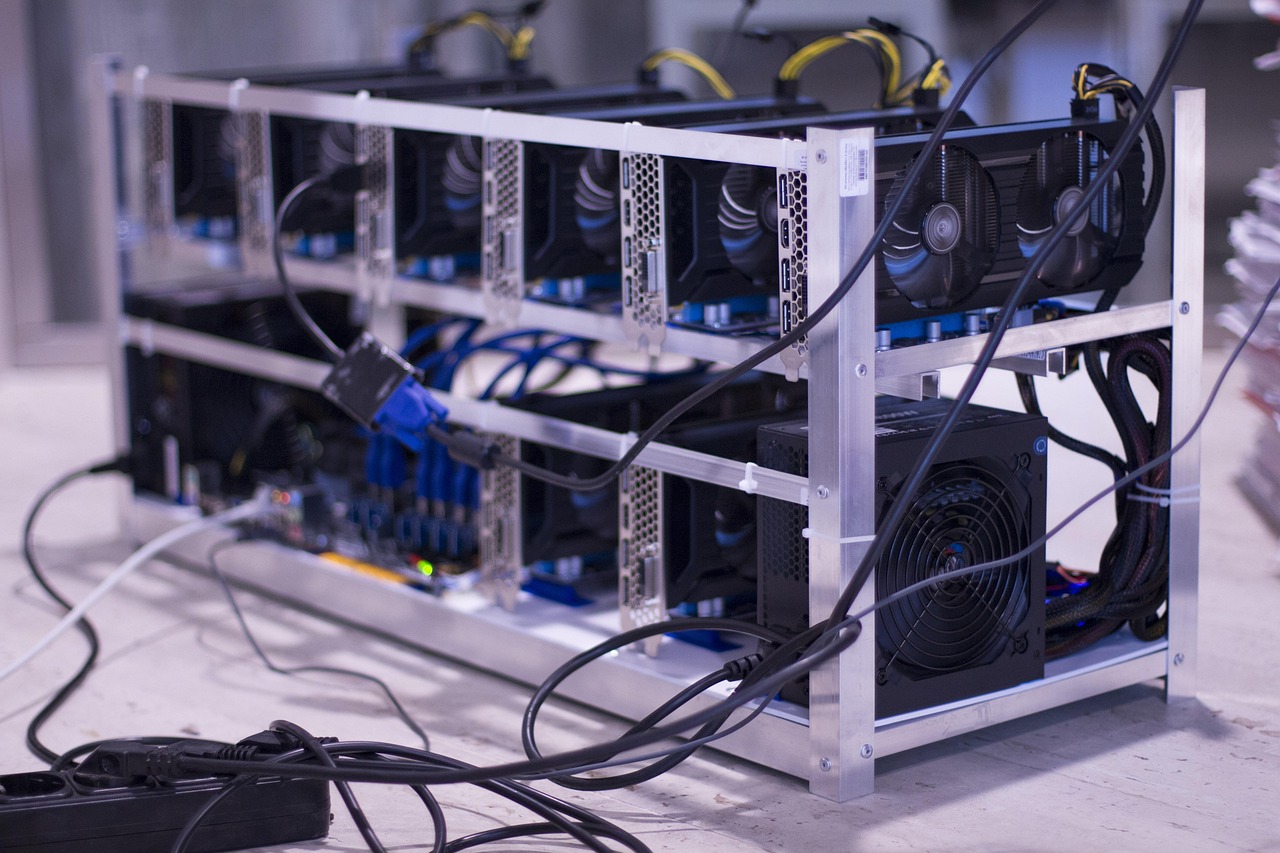
(Featured image by rebceter moscow via Pixabay)
DISCLAIMER: This article was written by a third party contributor and does not reflect the opinion of Born2Invest, its management, staff or its associates. Please review our disclaimer for more information.
This article may include forward-looking statements. These forward-looking statements generally are identified by the words “believe,” “project,” “estimate,” “become,” “plan,” “will,” and similar expressions. These forward-looking statements involve known and unknown risks as well as uncertainties, including those discussed in the following cautionary statements and elsewhere in this article and on this site. Although the Company may believe that its expectations are based on reasonable assumptions, the actual results that the Company may achieve may differ materially from any forward-looking statements, which reflect the opinions of the management of the Company only as of the date hereof. Additionally, please make sure to read these important disclosures.
First published in BLOCK-BUILDERS.DE. A third-party contributor translated and adapted the article from the original. In case of discrepancy, the original will prevail.
Although we made reasonable efforts to provide accurate translations, some parts may be incorrect. Born2Invest assumes no responsibility for errors, omissions or ambiguities in the translations provided on this website. Any person or entity relying on translated content does so at their own risk. Born2Invest is not responsible for losses caused by such reliance on the accuracy or reliability of translated information. If you wish to report an error or inaccuracy in the translation, we encourage you to contact us.
















Crypto Markets Edge Up as Caution Persists and April Fools’ Scams Loom
Bitcoin and Ethereum rise slightly amid geopolitical easing and renewed ETF inflows, with BTC near $68,000 and ETH above $2,100....


Lowryder: The Autoflowering Revolution in Cannabis Cultivation
Lowryder is a groundbreaking cannabis strain that introduced autoflowering, allowing plants to flower automatically without light changes. Created by The...


Casablanca Climbs the Global Financial Ranks
Casablanca has risen to 49th in the Global Financial Centres Index, strengthening its position as Africa’s top financial hub. It...


Crypto Lending Hits $30 Billion, Becomes Key DeFi Pillar
The decentralized crypto lending market has surpassed $30 billion, signaling a structural shift in capital use. Protocols like Aave and...


Advances in LDL Cholesterol Management for Familial Hypercholesterolemia: From Statins to Innovative PCSK9 and CETP Inhibitors
PCSK9 inhibitors have transformed LDL cholesterol management in familial hypercholesterolemia, with new antibodies and CETP inhibitors like obicetrapib expanding options....
 |
|
 |  |
 |
|
-

 Impact Investing2 weeks ago
ITAS Mutua Reports Strong 2025 Growth and Sustainability Progress
-
 Fintech1 day ago
Crypto Lending Hits $30 Billion, Becomes Key DeFi Pillar
-

 Markets1 week ago
Cocoa Markets Steady as Weak Demand and Rising Supply Signal Potential Surplus
-

 Impact Investing5 days ago
H&M Advances Sustainability and Cuts Emissions by 2025