Africa
Oil Dependence and Economic Resilience: Morocco’s Path to Sustainable Growth
Morocco’s economy remains highly vulnerable to oil price shocks due to heavy energy import dependence. Rising oil prices fuel inflation, widen trade deficits, pressure public finances, and slow growth. Despite renewable energy progress, oil still drives macroeconomic instability. Accelerating energy transition, boosting efficiency, exports, and sound macroeconomic policies are essential for resilience and sustainable growth.

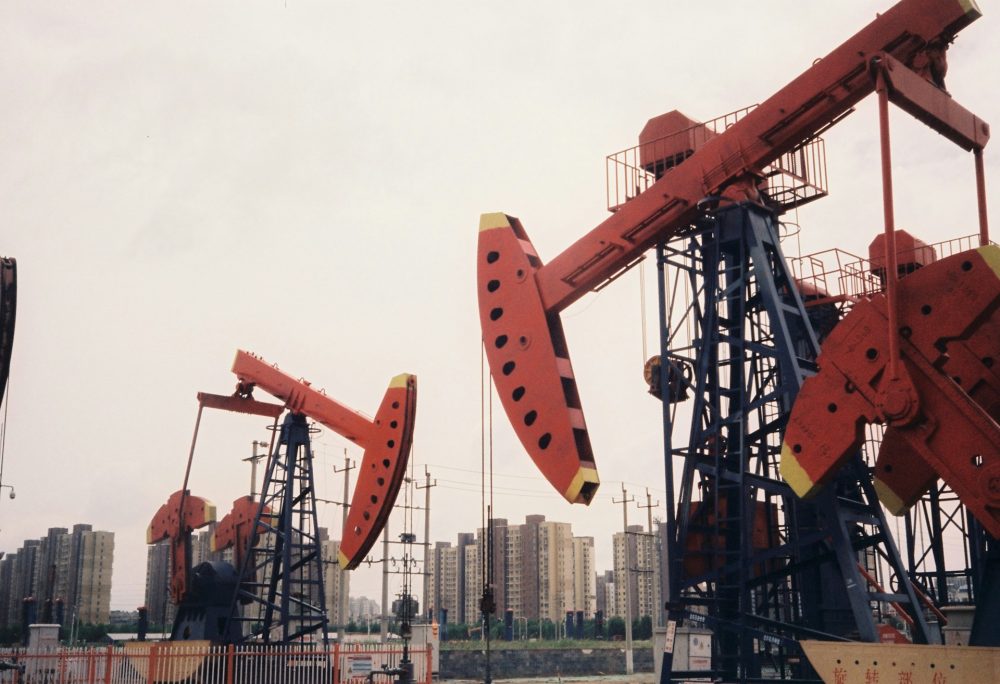
With each surge in oil prices, the effects are quickly felt in Morocco: rising consumer prices, pressure on the state budget, and a slowdown in economic activity.
In an international context marked by high volatility in energy markets, the issue of oil has once again become central. But why does it exert such a strong influence on the country’s growth? And above all, can this dependence be reduced?
Morocco’s economy is structurally dependent on oil
Morocco is a net importer of energy, with nearly 95% of its energy needs met through imports, primarily in the form of oil and refined products. This structural dependence makes the national economy particularly vulnerable to fluctuations in international prices.
When the price of a barrel of oil rises, the energy bill increases immediately. Conversely, a drop in prices may offer temporary relief, but it does not resolve the underlying problem: a sustained exposure to external shocks.
How does oil affect the Moroccan economy?
The impact of oil is not limited to the price of fuel at the pump in Morocco. It permeates the entire economy through several interdependent mechanisms. A rise in its price leads to an increase in transportation, production, and import costs. These additional costs are gradually passed on to the prices of goods and services, fueling inflation and reducing household purchasing power.
At the same time, the rising energy bill is contributing to the widening trade deficit. Energy imports are increasing faster than exports, which is jeopardizing the balance of external trade. These imbalances are also putting pressure on the exchange rate.
In a context of high energy dependence, a deteriorating external position limits the economy’s ability to maintain stable growth. The more expensive oil becomes, the more economic room for maneuver shrinks, making growth more vulnerable to external shocks.
Recent data reveals a close link between oil price fluctuations, inflation trends, the trade balance, and economic growth dynamics. The results show that oil price fluctuations often precede growth, indicating a significant transmission effect to economic activity.
Oil shocks also have a measurable impact on inflation and foreign trade, increasing energy costs and exacerbating trade imbalances. Despite efforts in economic diversification and energy transition, the country’s growth remains sensitive to developments in the international oil market.
In other words, even though the national economy has modernized and gradually shifted towards services, it remains exposed to global energy uncertainties.
While efforts are certainly being made, they are still insufficient
For several years, Morocco has pursued an ambitious energy transition strategy, particularly through the development of renewable energies (solar and wind). These initiatives are a step in the right direction and are gradually contributing to reducing energy dependence.
However, data shows that this transition has not yet completely neutralized the impact of oil shocks on growth. Vulnerability remains, particularly in the short and medium term.
What levers can strengthen economic resilience in Morocco?
Faced with this reality, several levers appear essential to strengthening the resilience of the Moroccan economy to oil shocks. Accelerating the transition to renewable energies and improving energy efficiency constitute a priority, allowing for a gradual reduction in dependence on oil imports and mitigating the impact of international price fluctuations.
At the same time, strengthening inflation control policies remains essential to limit the impact of rising energy costs on consumer prices and household purchasing power. Improving export competitiveness is also a key lever. By diversifying its export structure and increasing the added value of productive sectors, Morocco can reduce its trade deficit and improve its external position.
Finally, the consolidation of macroeconomic policies of Morocco plays a key role in absorbing external shocks. Prudent public finance management, appropriate monetary policy, and better coordination of economic instruments help preserve macroeconomic stability and support more resilient and sustainable growth. The price of oil remains a key driver of economic growth in Morocco. As long as energy dependence persists, every increase in the price per barrel poses a risk to economic stability.
The energy transition is therefore not just an environmental issue. It also represents a strategic lever for growth, resilience, and economic sovereignty. Reducing vulnerability to oil shocks strengthens Morocco’s capacity to build more stable, sustainable, and better-managed growth.
__
(Featured image by Raff Liu via Unsplash)
DISCLAIMER: This article was written by a third party contributor and does not reflect the opinion of Born2Invest, its management, staff or its associates. Please review our disclaimer for more information.
This article may include forward-looking statements. These forward-looking statements generally are identified by the words “believe,” “project,” “estimate,” “become,” “plan,” “will,” and similar expressions. These forward-looking statements involve known and unknown risks as well as uncertainties, including those discussed in the following cautionary statements and elsewhere in this article and on this site. Although the Company may believe that its expectations are based on reasonable assumptions, the actual results that the Company may achieve may differ materially from any forward-looking statements, which reflect the opinions of the management of the Company only as of the date hereof. Additionally, please make sure to read these important disclosures.
First published in LES ECO.ma. A third-party contributor translated and adapted the article from the original. In case of discrepancy, the original will prevail.
Although we made reasonable efforts to provide accurate translations, some parts may be incorrect. Born2Invest assumes no responsibility for errors, omissions or ambiguities in the translations provided on this website. Any person or entity relying on translated content does so at their own risk. Born2Invest is not responsible for losses caused by such reliance on the accuracy or reliability of translated information. If you wish to report an error or inaccuracy in the translation, we encourage you to contact us.









TopRanked.io Weekly Affiliate Digest: What’s Hot in Affiliate Marketing [1xBet Affiliate Program]
If you thought nobody liked cricket, then this week, we're proving you wrong. And by the time we're done, you'll...

Tether Seeks Big Four Audit to Boost USDT Transparency
Tether, issuer of USDT, plans a full audit by a Big Four firm to address transparency concerns over its $184...

H&M Advances Sustainability and Cuts Emissions by 2025
H&M Group reported that by 2025, 91% of materials were recycled or sustainably sourced, with recycled content reaching 32%. Emissions...

NHS Funds Breakthrough CAR-T Therapy Breyanzi for Lymphoma Treatment in Spain
Bristol Myers Squibb announced NHS funding for CAR-T therapy Breyanzi, enabling its use from April 1st in Spain for lymphoma...

Crypto Markets Volatile as Bitcoin Hovers, Solana Eyes AI Integration
Crypto markets remain volatile amid the Iran war, with Bitcoin near $70,000 and ETF inflows improving outlook. Ethereum faces declines...
 |
|
 |  |
 |
|
-
 Markets2 weeks ago
Global Sugar Market Steady Amid Oil Price Surge and Iran Conflict
-
 Africa1 week ago
Fes-Meknes Drives Investment Growth with Diversified Sectors and Industrial Expansion
-

 Africa5 days ago
Bank Al-Maghrib Launches Reforms to Boost Credit via Non-Performing Loan Market
-
 Africa2 weeks ago
Modernizing Traditional Commerce in Fes-Meknes Through Financial Inclusion