Biotech
Shingles Vaccine Linked to Significant Reduction in Dementia Risk
A study published in Nature Communications found that the shingles vaccine Shingrix significantly lowers dementia risk. Research by Kaiser Permanente Southern California showed vaccinated adults had up to 51 percent lower risk, including reduced Alzheimer’s and vascular dementia cases, with stronger protection observed in women.

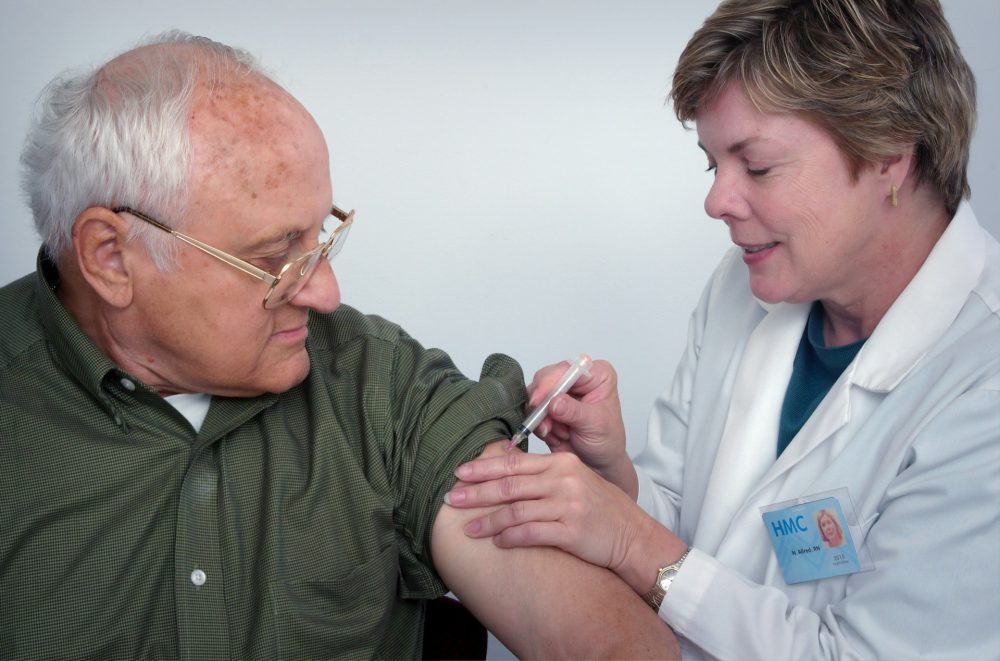
Dementia already affects more than 57 million people worldwide and is projected to triple that number by 2050. Science has just found an unexpected ally in the fight against cognitive decline: the shingles vaccine. According to research recently published in the journal Nature Communications, administering the recombinant shingles vaccine (RZV, commercially known as Shingrix) is linked to a drastic and statistically significant reduction in the risk of developing dementia in older adults.
The study, led by researchers at Kaiser Permanente Southern California (KPSC), analyzed data from 65,800 people who completed the two-dose RZV vaccine course and compared them with 263,200 unvaccinated individuals with similar characteristics. The results are striking: those who received the shingles immunization had a 51% lower risk of being diagnosed with dementia during the follow-up period.
A biological link between shingles and dementia under scrutiny
Shingles, also known as herpes zoster, is caused by the reactivation of the varicella-zoster virus (VZV). This virus remains dormant in the nervous system after childhood chickenpox infection and can reactivate decades later, causing a painful rash. However, scientists have long suspected that its impact extends beyond the skin.
“A potential role for the varicella-zoster virus in the development of dementia has been considered,” the authors explain in the paper. Although the exact mechanism is still under investigation, it is suggested that reactivation of the virus could cause neuroinflammation or vascular damage in the brain , or even promote the reactivation of other latent viruses such as herpes simplex. By preventing viral reactivation, the vaccine would act as a protective shield for brain health.
One of the biggest challenges in this type of study is the so-called healthy vaccine bias. People who choose to get vaccinated generally tend to have healthier lifestyles, which could skew the results. To address this, the research team not only compared vaccinated individuals with unvaccinated people, but also conducted a second analysis comparing the shingles vaccine with the Tdap vaccine (tetanus, diphtheria, and pertussis).
Even in this comparison, the results remained strong: those who received the shingles vaccine still had a significantly lower risk ( 27% less ) of developing dementia compared to those who were vaccinated against tetanus.
The study delved into how this protection affects different population groups. While the risk reduction was notable across all age ranges (over 65) and ethnic groups, researchers observed that the protective effect was slightly stronger in women . In the female population, the risk reduction reached 55%, compared to 45% in men.
Furthermore, the protection was not limited to a single type of decline. The vaccine showed benefits in preventing both Alzheimer’s disease —which accounts for 60% to 80% of dementia cases—and vascular dementia .
Benefits of the shingles vaccine
Currently, in the United States alone, approximately 6.9 million adults live with dementia. Given the lack of definitive curative treatments, prevention has become the top priority for healthcare systems.
The RZV vaccine, approved in 2017 and recommended for adults over 50 years of age due to its high efficacy and durability, is now confirmed not only as a tool to avoid the physical pain of shingles, but also as a possible public health intervention to delay or prevent cognitive decline.
Although the researchers emphasize that further studies are needed to understand why the vaccine produces this effect and how long the brain protection lasts, the finding offers a glimmer of hope. “Vaccination with two doses of RZV is associated with a statistically significant reduction in the risk of dementia,” the study concludes, marking a milestone in contemporary geriatric research.
__
(Featured image by CDC via Unsplash)
DISCLAIMER: This article was written by a third party contributor and does not reflect the opinion of Born2Invest, its management, staff or its associates. Please review our disclaimer for more information.
This article may include forward-looking statements. These forward-looking statements generally are identified by the words “believe,” “project,” “estimate,” “become,” “plan,” “will,” and similar expressions. These forward-looking statements involve known and unknown risks as well as uncertainties, including those discussed in the following cautionary statements and elsewhere in this article and on this site. Although the Company may believe that its expectations are based on reasonable assumptions, the actual results that the Company may achieve may differ materially from any forward-looking statements, which reflect the opinions of the management of the Company only as of the date hereof. Additionally, please make sure to read these important disclosures.
First published in GACETA MEDICA. A third-party contributor translated and adapted the article from the original. In case of discrepancy, the original will prevail.
Although we made reasonable efforts to provide accurate translations, some parts may be incorrect. Born2Invest assumes no responsibility for errors, omissions or ambiguities in the translations provided on this website. Any person or entity relying on translated content does so at their own risk. Born2Invest is not responsible for losses caused by such reliance on the accuracy or reliability of translated information. If you wish to report an error or inaccuracy in the translation, we encourage you to contact us.




The TopRanked.io Weekly Digest: What’s Hot in Affiliate Marketing [LiveChat Affiliates Review]
Quick Disclosure: We’re about to tell you how LiveChat Affiliates run a top-notch affiliate program. And we really mean it....


German SMEs Face Tighter Bank Lending, Turn to Alternatives
Access to bank loans for German SMEs is tightening despite strong financing needs. About 37.8 percent face restrictive lending, driven...


Bitcoin Stalls as Geopolitical Risks and Crypto Industry Tensions Persist
Bitcoin is moving sideways near $72,000 amid ongoing Iran tensions, while ETF inflows remain strong. Quantum security debates continue. Ethereum...


Geopolitical Tensions and Trade Disruptions Reshape Global Commodities Markets
Geopolitical tensions and disrupted trade routes, especially around the Strait of Hormuz, are reshaping global commodities markets. Agriculture faces supply...


Germany Sees 413 Cannabis Cultivation Clubs Two Years After Partial Legalization
Two years after partial cannabis legalization in Germany, 413 cultivation clubs have been established nationwide. Lower Saxony leads in clubs...
 |
|
 |  |
 |
|
-
 Biotech4 days ago
Gilead’s $5 Billion Tubulis Deal Boosts Evotec Stake
-

 Crypto2 weeks ago
Crypto Markets Edge Up as Caution Persists and April Fools’ Scams Loom
-

 Markets6 days ago
Global Coffee Market Faces Price Drops Amid Strong Supply and Export Challenges
-

 Markets2 weeks ago
Dow Jones Tests Correction Zone Amid Bullish Momentum and Bubble Concerns