Biotech
SPECT-CT: Advanced Imaging for Precise Cardiac Assessment
SPECT-CT is a key cardiac imaging technique that evaluates blood flow to heart muscle, identifying reduced perfusion and prior damage. Conducted in stress and rest phases, it uses a radiotracer and imaging camera to compare function. It aids diagnosis, treatment planning, and reduces invasive procedures, offering safe, low-radiation, personalized assessment for heart disease patients effectively.

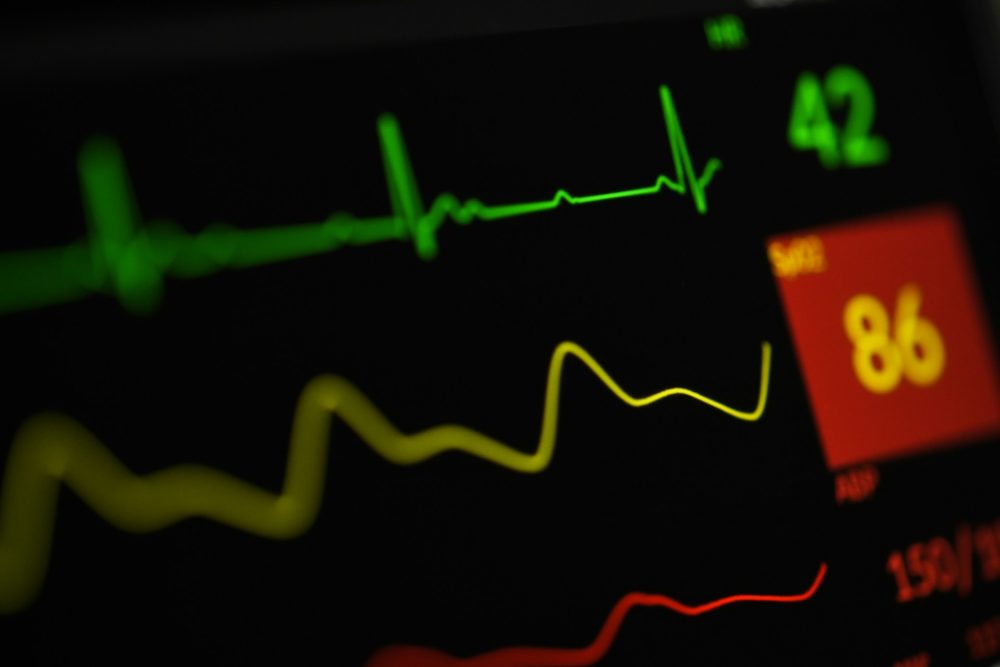
The SPECT-CT scan has become an essential tool for functional cardiac assessment in cardiology and nuclear medicine in recent years. This advanced imaging technique allows us to understand how blood reaches the heart muscle and identify both areas with insufficient blood flow and areas with pre-existing damage.
Unlike other studies that directly show the coronary arteries, Spect-CT focuses on their functional effect on the heart: “It allows us to see if there are areas with little blood flow or regions that have been damaged in the past,” explains Dr. Aracelis Morales, a specialist in cardiology and nuclear medicine at Grupo Policlínica.
How SPECT-CT Reveals Heart Function and Guides Personalized Cardiac Care
The procedure usually lasts between two and four hours and is performed in two phases. In the first phase, a stress test is performed in which the electrocardiogram is monitored via electrodes on the chest while the patient walks on a treadmill with progressively increasing intensity. When the exertion is more intense, a small dose of a safe radiotracer is administered.
In the second phase, images are obtained using a nuclear medicine camera both at rest and after exercise, allowing comparison of the heart’s behavior under different conditions.
Among its many clinical applications are the detection of areas with insufficient blood flow, the identification of scars from old heart attacks, the assessment of the severity of coronary artery disease, and the planning of the most appropriate treatment for each patient. Furthermore, this test helps reduce the need for invasive procedures such as cardiac catheterization by assisting in the selection of patients who truly require intervention.
Regarding the safety of the test, Dr. Morales emphasizes that it is not painful, although the exertion phase may be tiring. “The radiation used is low and completely controlled, comparable to that received on a transatlantic flight or the natural radiation we experience over several months ” she assures. Furthermore, she underlines that the diagnostic benefits far outweigh the minimal risk of exposure.
SPECT-CT is useful in patients with suspected coronary artery disease, chest pain, shortness of breath of unclear origin, a history of heart attack, or in the follow-up of people with known heart disease. And, as Dr. Morales points out, “the information we obtain with SPECT-CT allows for more precise and personalized cardiology.”
“Spect-CT allows us to see how the heart suffers or protects itself in real life, and thanks to that, we can make the best decisions for each patient,” added Dr. Morales.
Thanks to this technique, specialists can adapt the treatment to the specific response of each patient’s heart, helping to prevent serious complications such as heart attack or heart failure.
“SPECT-CT allows us to see how the heart is affected or protected in real life , and thanks to that, we can make the best decisions for each patient,” adds Dr. Morales. With its ability to provide functional, safe, and accurate information, this test represents a decisive advance in the prevention, diagnosis, and treatment of heart disease.
__
(Featured image by Joshua Chehov via Unsplash)
DISCLAIMER: This article was written by a third party contributor and does not reflect the opinion of Born2Invest, its management, staff or its associates. Please review our disclaimer for more information.
This article may include forward-looking statements. These forward-looking statements generally are identified by the words “believe,” “project,” “estimate,” “become,” “plan,” “will,” and similar expressions. These forward-looking statements involve known and unknown risks as well as uncertainties, including those discussed in the following cautionary statements and elsewhere in this article and on this site. Although the Company may believe that its expectations are based on reasonable assumptions, the actual results that the Company may achieve may differ materially from any forward-looking statements, which reflect the opinions of the management of the Company only as of the date hereof. Additionally, please make sure to read these important disclosures.
First published in iSanidad. A third-party contributor translated and adapted the article from the original. In case of discrepancy, the original will prevail.
Although we made reasonable efforts to provide accurate translations, some parts may be incorrect. Born2Invest assumes no responsibility for errors, omissions or ambiguities in the translations provided on this website. Any person or entity relying on translated content does so at their own risk. Born2Invest is not responsible for losses caused by such reliance on the accuracy or reliability of translated information. If you wish to report an error or inaccuracy in the translation, we encourage you to contact us.









Aurora Shifts Strategy Toward Global Medical Cannabis Markets
In March 2026, Aurora exited the recreational cannabis market to focus on higher-margin global medical cannabis. With 81% of revenue...

SPECT-CT: Advanced Imaging for Precise Cardiac Assessment
SPECT-CT is a key cardiac imaging technique that evaluates blood flow to heart muscle, identifying reduced perfusion and prior damage....


Blockchain Adoption Accelerates as SwissChain and Amundi Launch Tokenized Financial Solutions
SwissChain Holding SA has digitized its share certificates using blockchain, improving transparency, efficiency, and ownership tracking while maintaining Swiss legal...


Cocoa Markets Steady as Weak Demand and Rising Supply Signal Potential Surplus
New York and London markets higher range trading, with mixed short term trends. Strong West African harvests and favorable rains...


Global Markets on Edge as Iran Conflict, Inflation Pressures, and Financial Risks Intensify
Iran conflict threatens economy disruptions beyond energy to agriculture and goods. Rising PPI signals persistent inflation, risking stagflation reminiscent of...
 |
|
 |  |
 |
|
-

 Fintech2 weeks ago
Blockchain and AI Converge: Strategic Alliances, Industry Shifts, and Strong Bitcoin Demand
-
 Fintech23 hours ago
Blockchain Adoption Accelerates as SwissChain and Amundi Launch Tokenized Financial Solutions
-

 Cannabis1 week ago
Canada’s Cannabis Boom Grows as Alcohol Consumption Declines
-

 Crypto6 days ago
BlackRock’s $94M Crypto Move Signals Rising Institutional Momentum