Business
TopRanked.io Weekly Affiliate Digest: What’s Hot in Affiliate Marketing [Best Technology Affiliate Programs]
What if I told you the buzziest social media network right now was GitHub? Yeah, GitHub, the developer platform. Well, turns out it just might be. And the best part is, there’s a clear path to monetization, so long as you’re down with a little vibe coding. And as for the monetization, we got that sorted, too, in our quick rundown of where to find the best technology affiliate programs.


Quick Disclosure: We’re about to tell you about some great Technology Affiliate Programs. Just know that if you click on our Technology Affiliate Program links, we may earn a small commission. Your choice.
This week, we’re going to talk about technology.

Specifically, technology affiliate programs… and where you can find an audience for your technology affiliate program links.
TopRanked.io Best Technology Affiliate Programs
Most weeks, we usually like to highlight one specific affiliate program.
Usually, it’s a program that’s not only really good, but that also goes particularly well with some affiliate opportunity we discovered that week.
This week, we’re doing something a little more generic — we’re simply giving you a quick introduction to a great source of the best technology affiliate programs out there.
Why?
Because our affiliate opportunity this week doesn’t align with any particular product or program. But it does align perfectly with the broader technology affiliate program category.
So here’s where to find your next monetization partner.
The Best Technology Affiliate Programs
No point delaying any further — the answer should be obvious already.
The best source of technology affiliate programs is, of course, TopRanked.io.
Here’s a direct link to the full listing of every technology affiliate program we’ve looked at to date.
Now, for those of you who are new around here, here’s what you can expect:
- Over 100 technology affiliate programs gathered into one place.
- A full review of each and every one of those technology affiliate programs (covering both the product and the commissions)
- Links out to each and every technology affiliate program so, if you like what you see, you don’t have to waste time searching.
As for what kinds of technology affiliate programs you’ll find… well… technology’s kinda broad, isn’t it?
But here’s a sample.
One of our favorite technology affiliate programs is uMobix (massive commissions up to 65%)!
And another favorite of ours is, of course, the NordVPN affiliate program (converts hard, and pays decently).
And in case you’re looking for something a little more “hard” tech in your technology affiliate program, then you’ll also find plenty of options like M3Server…
…and the Hosting.com affiliate program, which pays up to $125 per sale!
But that’s enough about technology affiliate programs for now.
Let’s get to the “getting your technology affiliate program links out there” part.
Affiliate News Takeaways
This week, TechCrunch dropped this article about AI coding tools being a “mixed blessing” for open source software projects.
And yeah (before we go any further), there actually is an affiliate opportunity here. And it’s not what you think.

Although it’s totally building towards something you can monetize with a great technology affiliate program.
Anyway, to go back to the story, the tl;dr of it basically goes like this:
- AI coding tools are great at spitting out inordinate amounts of code.
- In the hands of an experienced developer, this can be a productivity multiplier.
- In the hands of an inexperienced developer, this leads to poor-quality code.
- Therefore, AI tools help experienced open source developers make more high-quality contributions.
- But AI tools have also opened the floodgates to inexperienced developers from spamming open source projects with low-quality contributions.
And that’s why they’re a “mixed blessing”.
So, why’s this of any interest to us as affiliate marketers?
Simple.
Most open source projects these days are managed on GitHub.
As for why that matters, let’s take a quick little detour into what GitHub is.

GitHub is basically just a place to manage your code.
You know, like having a proper versioning system rather than relying on the old, “final copy of final version → real final copy of final version” system.
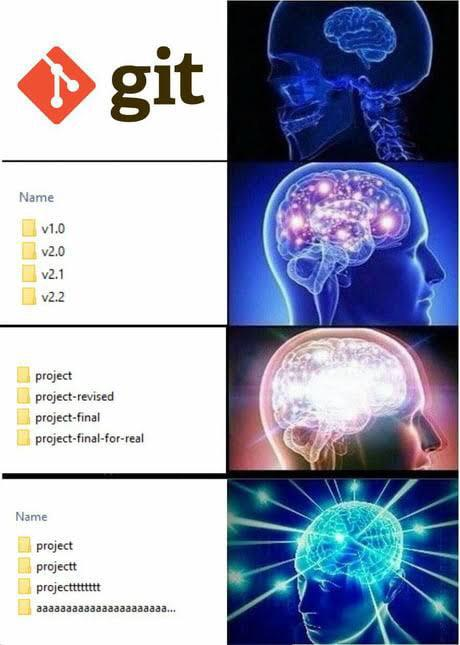
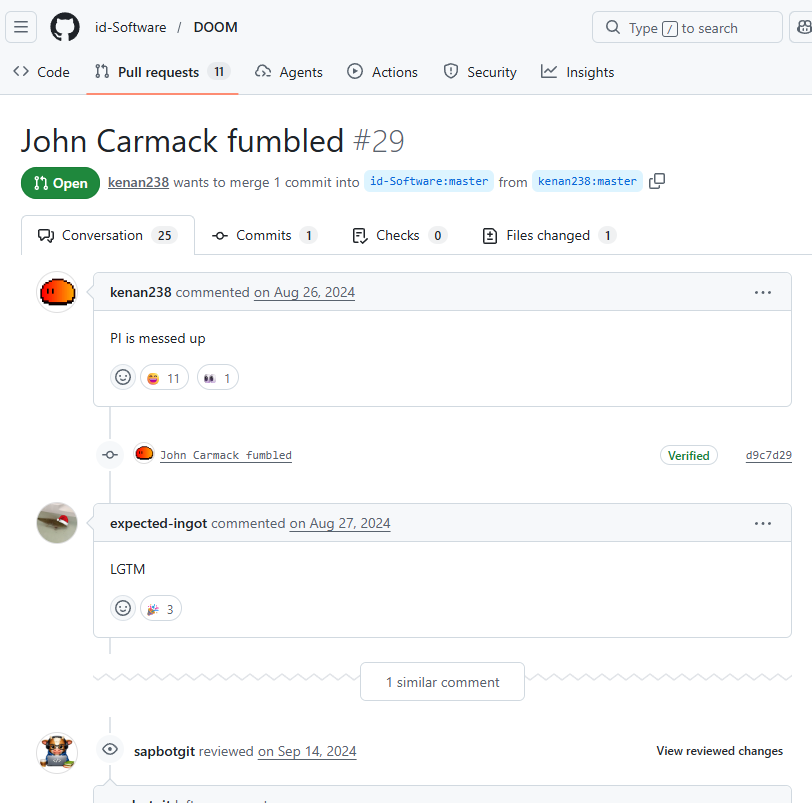
But it’s also got a bunch of other features besides version control.
For example, you can “watch” and “star” things…

And there are even places to have chats about things…
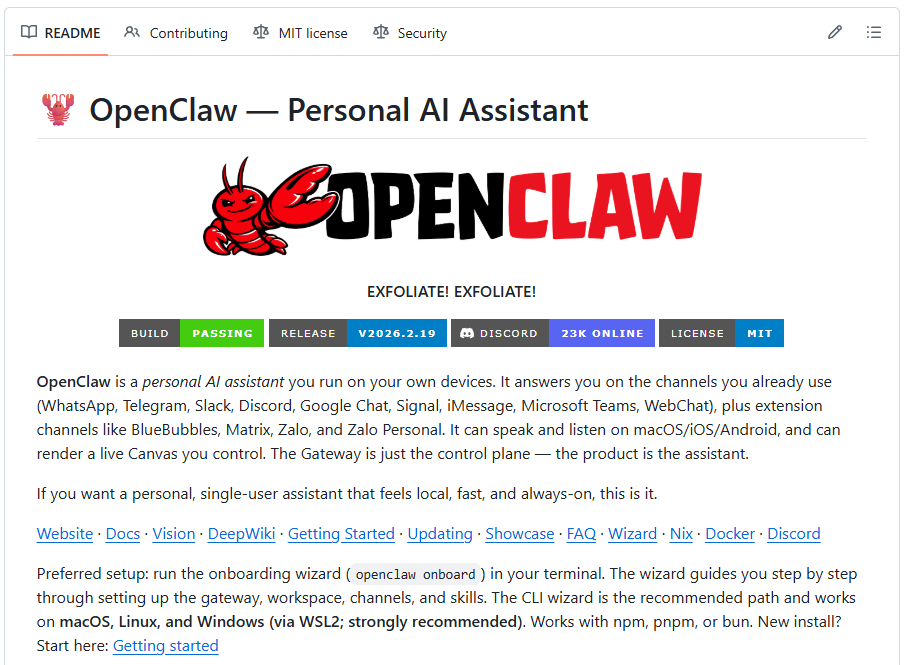
And, if you run your own open source project, there are even ways for you to create your own little “landing page” on GitHub via the project’s “README” file.
Starting to see the pattern here?
User-generated content?
Places to chat?
“Stars” and “watches”?
Starting to sound a lot like a social network, isn’t it?
And yeah, it kinda is, even if the energy is generally a little more “I’m a serious professional” and a little less “I’m a 12yo influencer doing TikTok dances for men 5 times my age.”
But you totally see the crossover here… right?

And that’s why the original article was interesting.
Basically, if you ignore the whole “AI code quality” thing, what you’re basically left with is the following:
GitHub A social network is seeing a massive influx of new developers users.
And as we all know, where there are users, there are affiliate dollars to make.

Especially when that “social network” is geared towards technical users and you just so happen to be promoting technology affiliate programs… wink, wink.
Now, unfortunately, the article never really went so far as to dig into why there were suddenly so many people tripping over themselves to contribute to open source projects.
But, in all honesty, it’s not the weirdest thing I’ve ever seen.
I mean, take Elon Musk, for instance.
What’s with that whole “I’m a pro gamer” schtick he was pushing way back when…

Honestly, I don’t care about the “why”, just the takeaway here — if someone’s willing to ‘cheat’ their way to being seen as a ‘pro gamer’, then presumably there are others out there who want to be seen as pro coders/top-ranked open source contributors/etc.
Also, I care about how we’re going to use this realization about an explosion in open source contributions to make some money.
And here, I see one “obvious” path.
You’re going to become an open source project maintainer.
Yes, you. (And your favorite vibe coding assistant).
And no, doing this is nowhere near as hard as you might be thinking.
Take, for instance, the infamous NPM left-pad incident.
If you’re old enough, you might remember this one. The story basically went like this:
- “Left-pad” was a popular open-source package used by basically everyone.
- After a naming dispute, the author unpublished it.
- That brought down half the internet.
Now, why am I telling you this story?
Because this project was literally just 11 lines of code.

That’s it.
An entire open source project that was depended on by millions of people was nothing more than 11 lines of code.
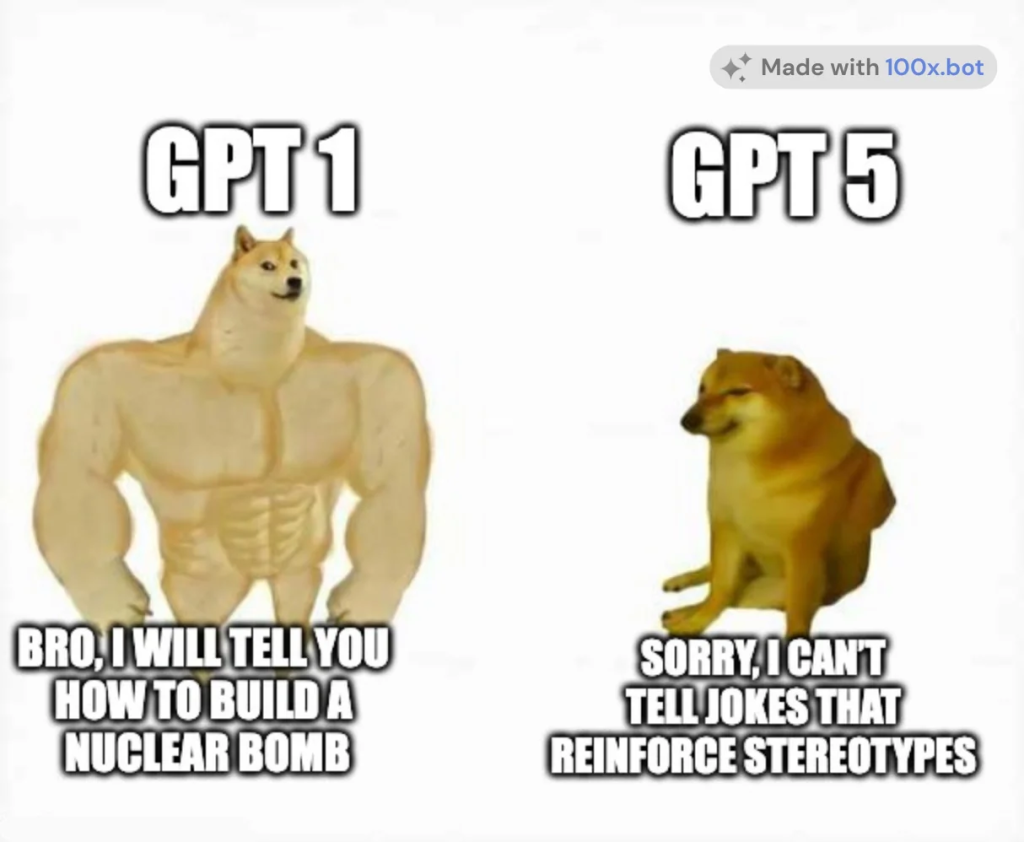
Even GPT1 would probably have been able to write that… among other things…
Of course, creating an open source project is only half the battle.
You’re also going to have to get your project out into the wild before anyone’s going to pay any attention to it. And, if you look at the numbers, you might think that’s a pretty tough ask.
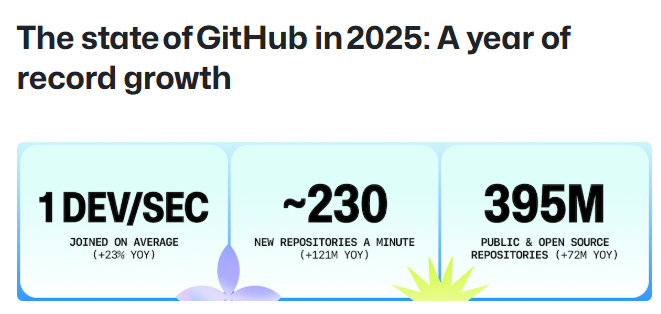
After all, GitHub is absolutely exploding right now — 23% YoY growth in devs joining, millions of new public/open source projects (230 per minute).
But here’s the nice thing about this space.
Most people on GitHub aren’t really all that interested in the whole “mass promotion” thing.
A lot of them are just nerds who like playing around with tech, and programmers trying to find their next job.
So the competition isn’t quite as tough as you might think.
Also, there’s a nice side benefit to going down this whole “open source project” route.

As we all know, finding a niche is just half the battle.
The other half of the battle is actually finding distribution.
And that’s where the benefits of this play kick in.
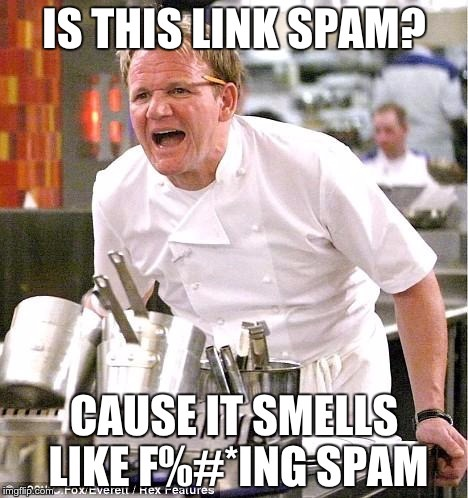
By doing something that looks benevolent (making open source software), you now have an excuse to spam your links all over the internet without it smelling like link spam.
No, really.
In fact, there are even websites built for the very purpose of letting “builders” spam links to their projects out into the world.
Producthunt is one of the big ones here… although it’s probably not the highest value one.

But there are thousands of other textboxes scattered around the internet that are more than happy to let you submit links to your project for free.
Heck, even Reddit will probably be cool (for a change) with you spamming your links.
Especially if your open source project is a shiny new JavaScript toy…
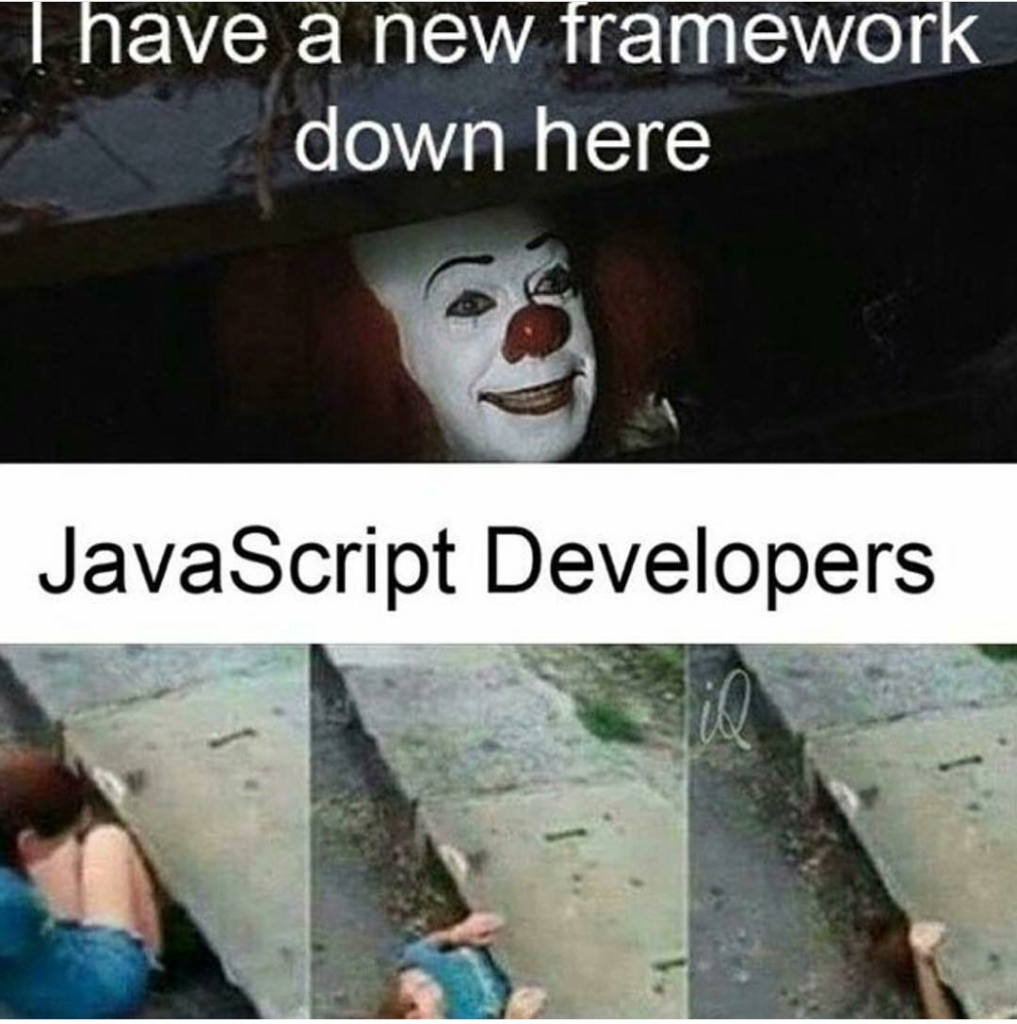
And need I remind you just how low the bar is here — 11 lines took down half the internet.
Anyway, let’s say you made it this far.
You’ve created an open source project.
You’ve spammed your links all over the internet.
And now, you’ve got an army of open source contributors and other interested parties coming to your projects page.
Now you’ve only got one problem to solve.
Monetization.

Fortunately, this parts actually not as much of an unsolved problem as you might think it is.
In fact, people have been advertising on GitHub for years.
Here’s one example I found:
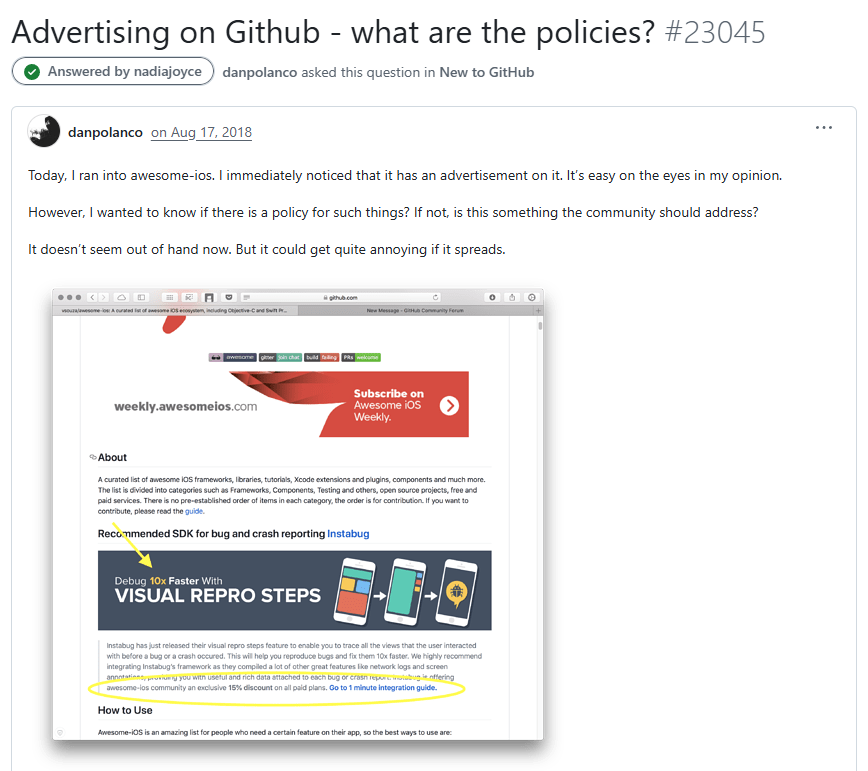
And here’s the response to that question:
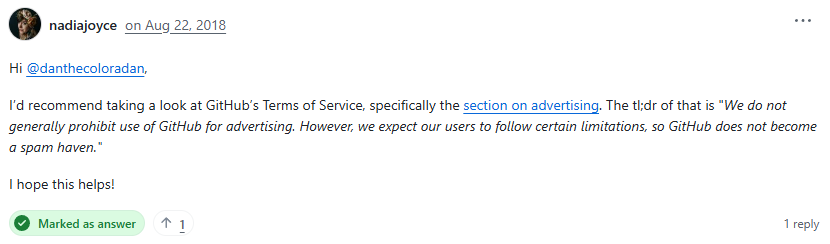
Yep, that’s right — your right to advertise on GitHub is apparently encoded right in its very own ToS.
Takeaway
This play is pretty simple. The only “weird” thing going on here is we’re treating GitHub like a regular ‘social network’ where, instead of posting viral memes/videos, we post viral open source projects.
Once you get that bit straight (and remember you can just “vibe code” all of this these days), then this play is more or less just a meat-and-potatoes version of internet marketing.
Closing Thought
That npm left-pad incident we just touched on.
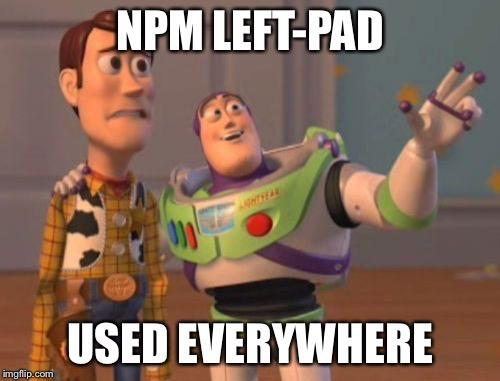
There’s an interesting takeaway here that applies more broadly to just about everything we do.
For those who skipped the news and have never heard of the incident, it basically went like this:
- Npm left-pad was a popular open source project
- It was maintained by a single developer
- Millions of people depended on it, including Big Tech companies.
- One day, the solo developer maintaining the project threw a hissy fit and deleted the project.
- Half the internet got taken out.
Now, as for the takeaway here, this one’s multi-level.
Let’s start by looking at everything that was “wrong” with npm left-pad. It was:
- 11 lines of code any developer could have written inline in their own project.
- 11 lines of code any developer could probably have written quicker than the time it took them to search for the project and download it into their own project.
- A thing their project then depended on, which was subject to the whims of a single developer.
In other words, for whatever the supposed reason was — “reuse”, “efficiency”, “it’s the done thing”… whatever — people loaded themselves up with a dependency that could potentially (and did) entirely break their own projects.
And in a way, that feels kinda silly, doesn’t it?
Now, of course, I’m not saying that we should all go out and “take full ownership” of everything in our lives.
Some things are better left outsourced to others.
What I am saying, however, is sometimes it’s worth taking stock of the things we depend on, and figuring out what would happen if they just disappeared one day.
Take your favorite affiliate program, for instance.
Businesses come and go all the time.
What happens tomorrow when your favorite affiliate program becomes one of the businesses that go?
If you don’t know the answer to that question, then maybe it’s time to diversify your options.
If you’re in the technology niche, then why not take a look at our top technology affiliate programs as a good place to start. Here’s one of the technology affiliate programs you’ll find there:
__
(Featured image by SevenStorm JUHASZIMRUS via Pexels)
DISCLAIMER: This article was written by a third party contributor and does not reflect the opinion of Born2Invest, its management, staff or its associates. Please review our disclaimer for more information.
This article may include forward-looking statements. These forward-looking statements generally are identified by the words “believe,” “project,” “estimate,” “become,” “plan,” “will,” and similar expressions. These forward-looking statements involve known and unknown risks as well as uncertainties, including those discussed in the following cautionary statements and elsewhere in this article and on this site. Although the Company may believe that its expectations are based on reasonable assumptions, the actual results that the Company may achieve may differ materially from any forward-looking statements, which reflect the opinions of the management of the Company only as of the date hereof. Additionally, please make sure to read these important disclosures.



The TopRanked.io Weekly Digest: What’s Hot in Affiliate Marketing [LiveChat Affiliates Review]
Quick Disclosure: We’re about to tell you how LiveChat Affiliates run a top-notch affiliate program. And we really mean it....


German SMEs Face Tighter Bank Lending, Turn to Alternatives
Access to bank loans for German SMEs is tightening despite strong financing needs. About 37.8 percent face restrictive lending, driven...


Bitcoin Stalls as Geopolitical Risks and Crypto Industry Tensions Persist
Bitcoin is moving sideways near $72,000 amid ongoing Iran tensions, while ETF inflows remain strong. Quantum security debates continue. Ethereum...


Geopolitical Tensions and Trade Disruptions Reshape Global Commodities Markets
Geopolitical tensions and disrupted trade routes, especially around the Strait of Hormuz, are reshaping global commodities markets. Agriculture faces supply...


Germany Sees 413 Cannabis Cultivation Clubs Two Years After Partial Legalization
Two years after partial cannabis legalization in Germany, 413 cultivation clubs have been established nationwide. Lower Saxony leads in clubs...
 |
|
 |  |
 |
|
-

 Cannabis3 days ago
Germany’s Cannabis Reform Shows Limited Risks but Calls for Regulatory Adjustments
-

 Biotech2 weeks ago
Advances in LDL Cholesterol Management for Familial Hypercholesterolemia: From Statins to Innovative PCSK9 and CETP Inhibitors
-
 Business1 week ago
TopRanked.io Weekly Affiliate Digest: What’s Hot in Affiliate Marketing [Bovada Affiliate Program]
-

 Crowdfunding3 days ago
ECSP Crowdfunding vs. eWpG Bonds: Overcoming SME Financing Limits