Impact Investing
Integrated Energy Solutions Boost Profitability and Cut Emissions in Italy’s Decarbonization Efforts
Italy’s decarbonization can deliver both environmental and economic gains when energy efficiency is combined with renewable technologies. An AGICI study shows integrated interventions raise net present value by up to 29% and lower CO₂ abatement costs. Despite slow progress due to aging buildings and short-term investments, integrated solutions outperform separate measures in emissions reduction and financial returns.

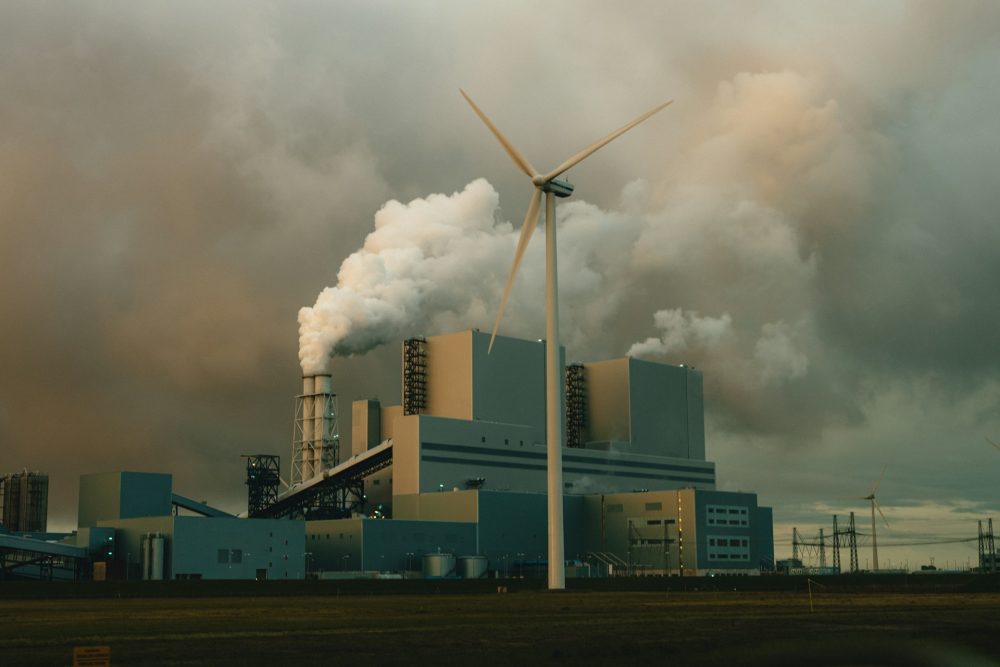
In Italy’s decarbonization journey, integrating energy technologies can make a difference. According to AGICI, coordinated interventions increase profitability by up to 29% and reduce unit CO₂ abatement costs.
Decarbonizing the Italian economy can generate economic as well as environmental benefits , especially when interventions combine energy efficiency and renewable sources. According to a study presented by AGICI , integrated interventions can increase the net present value by up to 29% in public buildings, 11% in condominiums, and 10% in energy-intensive industries, while also enabling a greater reduction in CO₂ emissions.
The analysis, “The Role of Energy Efficiency in the Italian Decarbonization Process,” was presented by Stefano Clerici, CEO of AGICI, at KEY – The Energy Transition Expo in Rimini.
The findings come as the Italian energy system struggles with an inefficient building stock, an industry geared towards short-term investments, and an energy services market that still generated €11 billion in revenue among the country’s main ESCos in 2024.
In this context, the study identifies two possible trajectories for decarbonization: an incremental one, which gradually reduces emissions while maintaining current energy models, and a transformative one , which integrates efficiency and renewables by rethinking energy supply and demand.
Energy efficiency and decarbonization: demand constraints in key sectors
The analysis starts from energy demand in the main sectors, residential, tertiary and industrial, highlighting how the prevailing approach today remains incremental, driven above all by economic constraints and short-term investment horizons.
In the residential sector , the main obstacle is the age of the real estate stock . Most Italian buildings were built before 1980, and approximately 50% of homes fall into the lowest energy classes, F and G. Redevelopment therefore depends largely on the decisions of the homeowners, given that 73% of homes are owner-occupied. This factor tends to favor limited or postponed interventions, although in the long term, demographic and climate changes, including the expected increase in cooling needs by 2050, could accelerate the electrification of domestic consumption.
In the tertiary and public administration sectors, the issue is the scale and speed of intervention. The tertiary sector comprises approximately 1.3 million buildings, equal to about 10% of the national total, while public administration owns over 770,000 real estate units. Despite the 3% annual redevelopment requirement for the public sector, the process is proceeding slowly.
In the industrial sector, particularly among energy-intensive manufacturing companies, the demand for efficiency is primarily driven by reduced energy costs and the obligations associated with the European Union Emissions Trading System. The survey conducted among energy managers shows that investments are concentrated in standard solutions, especially photovoltaics and basic energy efficiency.
Integrating renewables and efficiency: the economic and environmental benefits of decarbonization
The study also analyzes the energy services market. The sample examined includes 449 ESCos (Energy Service Companies), which generated a total of €11 billion in revenue in 2024 , a decline compared to the previous year, partly due to the end of the Superbonus. The market also remains fairly concentrated, with 75% of revenue coming from larger companies , while the sector as a whole continues to be heavily influenced by public incentive mechanisms and tends to follow demand rather than anticipate it.
The core of the study, however, concerns the modeling of decarbonization interventions. The comparison between projects implemented separately and interventions designed in an integrated manner shows how the combination of energy efficiency and renewables produces better results both environmentally and economically.
Integrated design allows for greater reductions in CO₂ emissions at a lower unit cost , thanks to synergies between technologies and proper system sizing. From a financial perspective, integrated interventions generate higher Net Present Values (NPVs) than the simple sum of the individual interventions implemented separately.
In particular, the NPV can grow up to +29% in public buildings, +11% in condominiums, +9% in single-family homes and +10% in energy-intensive industries.
“Decarbonization today requires an evolution of the model we use to address energy,” commented Stefano Clerici , CEO of AGICI. “The incremental approach has enabled significant progress, but to achieve the 2050 goals and build new industrial competitiveness, we must integrate efficiency and renewables into a value-creating approach.
__
(Featured image by Tim van der Kuip via Unsplash)
DISCLAIMER: This article was written by a third party contributor and does not reflect the opinion of Born2Invest, its management, staff or its associates. Please review our disclaimer for more information.
This article may include forward-looking statements. These forward-looking statements generally are identified by the words “believe,” “project,” “estimate,” “become,” “plan,” “will,” and similar expressions. These forward-looking statements involve known and unknown risks as well as uncertainties, including those discussed in the following cautionary statements and elsewhere in this article and on this site. Although the Company may believe that its expectations are based on reasonable assumptions, the actual results that the Company may achieve may differ materially from any forward-looking statements, which reflect the opinions of the management of the Company only as of the date hereof. Additionally, please make sure to read these important disclosures.
First published in ESG NEWS. A third-party contributor translated and adapted the article from the original. In case of discrepancy, the original will prevail.
Although we made reasonable efforts to provide accurate translations, some parts may be incorrect. Born2Invest assumes no responsibility for errors, omissions or ambiguities in the translations provided on this website. Any person or entity relying on translated content does so at their own risk. Born2Invest is not responsible for losses caused by such reliance on the accuracy or reliability of translated information. If you wish to report an error or inaccuracy in the translation, we encourage you to contact us.















Bitcoin Slides, Ethereum EEZ Emerges, Worldcoin Hits Low
Bitcoin slipped to around $67,000 amid geopolitical tensions and ETF outflows, while high mining costs push miners toward AI deals...


Poland Proposes Cannabis Decriminalization: 15 Grams and One Plant Without Penalties
Poland’s Centre parliamentary group proposed a bill to decriminalize cannabis, allowing possession of up to 15 grams and one homegrown...


Markets Volatility, Geopolitics, and Signals of a Potential Trend Shift
Markets swung amid shifting statements from Trump and geopolitical tensions with Iran. Initial threats moved stocks, gold, oil, and yields...


Dow Jones Tests Correction Zone Amid Bullish Momentum and Bubble Concerns
The Dow Jones has slipped just below its 10 percent correction threshold after a two month decline, raising questions about...


TopRanked.io Weekly Affiliate Digest: What’s Hot in Affiliate Marketing [1xBet Affiliate Program]
If you thought nobody liked cricket, then this week, we're proving you wrong. And by the time we're done, you'll...
 |
|
 |  |
 |
|
-

 Crowdfunding1 week ago
Peru’s Crowdfunding Sector Shrinks Amid License Revocation
-

 Crowdfunding5 days ago
Cyberpunk Trading Card Game Surges Past Goals on Kickstarter
-

 Markets2 weeks ago
Global Sugar Market Steady Amid Oil Price Surge and Iran Conflict
-
 Business3 hours ago
Markets Volatility, Geopolitics, and Signals of a Potential Trend Shift