
Connect with us
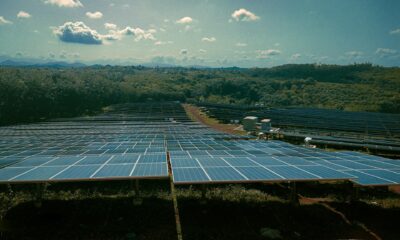

UniCredit has provided €39.3 million financing to vexuvo to support four agrivoltaic plants totaling about 33 MW across Italy, advancing renewable growth and energy transition. In...
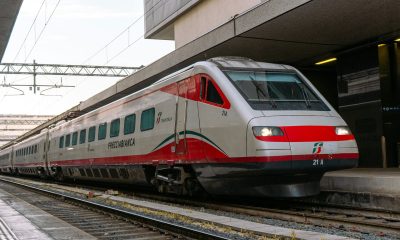

ANSFISA has approved Italy’s first hydrogen-powered train, the Alstom HMU214, for use on the Brescia–Iseo–Edolo line. Capable of 140 km/h, it uses hydrogen fuel cells and...


Italy leads Europe in digital sustainability reporting tools for SMEs, according to EFRAG’s second mapping of VSME platforms. The ecosystem is innovative but still maturing, with...
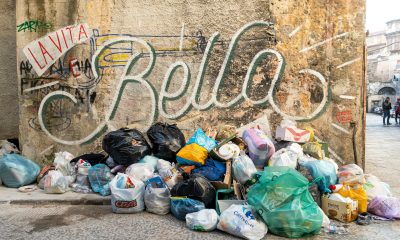

Italy’s separate waste collection reaches 68% and recycling 52%, showing progress toward a circular economy, but infrastructure shortages, especially in the South, continue to hinder the...


Italy remains Europe’s leading destination for high-end tourism, attracting 60% of investors and strong future interest. ESG certifications now act as essential credibility passports, boosting asset...


Around 200,000 young people in Italy face voluntary social isolation, with cases rising sharply, especially among girls aged 13 to 15. In response, ITASolidale ETS launched...
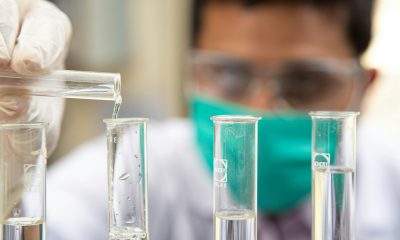

Italy’s pharmaceutical sector invests €4 billion annually, including €2.3 billion in R&D and €1.7 billion in industrial technologies, up 21% in five years. Strong university collaboration...
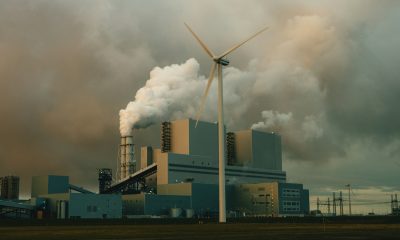

Italy’s decarbonization can deliver both environmental and economic gains when energy efficiency is combined with renewable technologies. An AGICI study shows integrated interventions raise net present...


Extreme weather events have caused 800,000 deaths and $4.2 trillion in losses over 30 years. The 2025 Climate Risk Index ranks Dominica, China, and Honduras as...


Italy’s building sector consumes 42% of energy and emits 18% of greenhouse gases, highlighting a decarbonization challenge. With 56% of public buildings energy-inefficient, new EU-aligned goals...