Impact Investing
EU Parliament Advances ETS2 Plan to Stabilize Carbon Market for Transport and Buildings
The European Parliament approved its negotiating position on ETS2, the new carbon market for transport and buildings starting in 2028. It strengthens the Market Stability Reserve, adds flexibility to manage price spikes, and extends price controls. The goal is to balance emissions reduction, price stability, and social and economic sustainability during the climate transition.

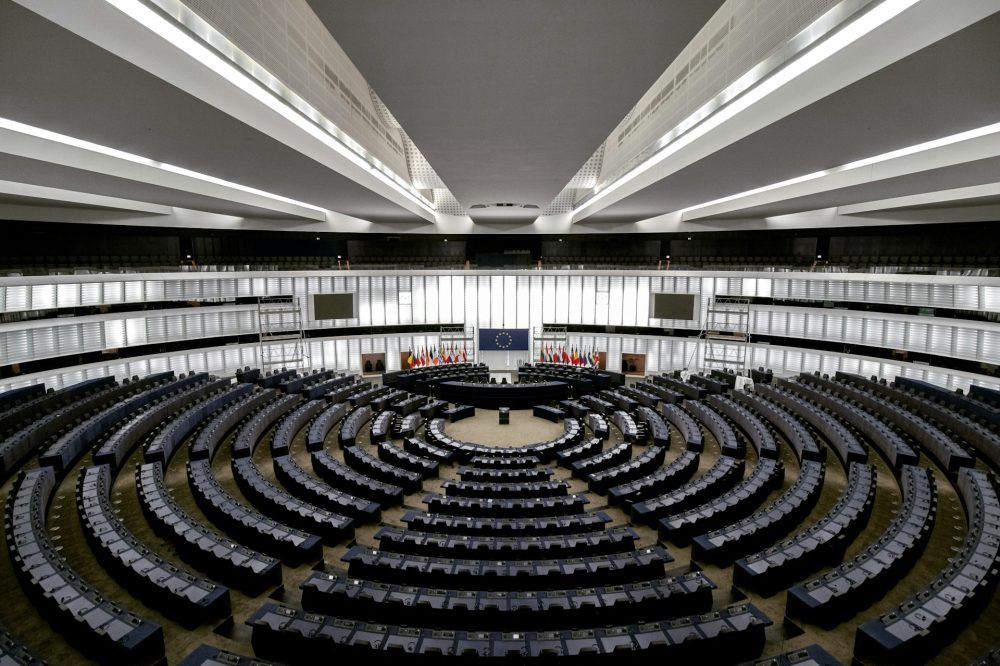
The European Parliament approved the negotiating proposal for the new carbon market for transport and buildings (ETS2), focusing on a key objective: making the climate transition more stable and economically sustainable. Negotiations with the countries now begin.
The goal is to make ETS2 one of the pillars of the European decarbonisation strategy
The European Parliament (EP) has given the green light to strengthening the stability reserve for the new ETS2 carbon market, which will apply to transport and buildings from 2028. The text, approved by 433 votes in favor, 120 against, and 91 abstentions, attempts to balance climate ambition and economic sustainability , paving the way for negotiations with the EU Council.
At the heart of the EP’s negotiating position is the strengthening of the Market Stability Reserve (MSR), in line with the proposal presented by the European Commission in early April. The shared approach aims to move beyond the automatic cancellation of excess allowances, instead maintaining them in the reserve for reuse in times of market stress.
Compared to the Commission’s proposal, Parliament introduces further flexibility . These include the possibility of releasing allowances early in the event of sudden price spikes and of maintaining unallocated allowances in the MSR beyond 2031 , strengthening the system’s ability to respond to energy crisis scenarios.
Another key point of the ETS2 plan concerns price controls
The approved position calls for extending the indicative ceiling of €45 per tonne of CO₂ beyond 2029 , updating it on more recent bases to avoid distortions related to outdated parameters. The goal is to limit volatility and ensure greater predictability of carbon pricing.
The heart of the reform remains ETS2, the new system that will come into force on January 1st, 2028, and which will extend the price of emissions to sectors previously excluded, such as building heating, road transport, and some small-scale industry. This measure is considered essential for reducing emissions in widespread sectors, but also particularly sensitive from a social perspective.
For this reason, Parliament’s position strongly emphasizes the need to accompany the mechanism with adequate guarantees. The approach outlined aims to strengthen the stability reserve’s ability to intervene in the event of price shocks, preventing market fluctuations from translating into excessive increases in costs for families and consumers.
Among the elements under discussion are also a more gradual management of excess quotas, with any cancellation postponed to the years following the launch of the system, and the possibility of introducing margins of flexibility for Member States , for example in the presence of already effective national measures for the decarbonisation of the residential sector.
The position approved by Strasbourg comes in a context marked by energy volatility and macroeconomic uncertainty , in which the carbon market must evolve to remain an effective climate policy instrument, according to the EP. The text now forms the basis for negotiations with national governments, which will lead to the final version of the reform.
The goal remains to make ETS2 one of the pillars of the European decarbonisation strategy, capable of combining emissions reduction, price stability, and the social sustainability of the transition.
—
(Featured image by Frederic Koberl via Unsplash)
DISCLAIMER: This article was written by a third party contributor and does not reflect the opinion of Born2Invest, its management, staff or its associates. Please review our disclaimer for more information.
This article may include forward-looking statements. These forward-looking statements generally are identified by the words “believe,” “project,” “estimate,” “become,” “plan,” “will,” and similar expressions. These forward-looking statements involve known and unknown risks as well as uncertainties, including those discussed in the following cautionary statements and elsewhere in this article and on this site. Although the Company may believe that its expectations are based on reasonable assumptions, the actual results that the Company may achieve may differ materially from any forward-looking statements, which reflect the opinions of the management of the Company only as of the date hereof. Additionally, please make sure to read these important disclosures.
First published in ESG NEWS. A third-party contributor translated and adapted the article from the original. In case of discrepancy, the original will prevail.
Although we made reasonable efforts to provide accurate translations, some parts may be incorrect. Born2Invest assumes no responsibility for errors, omissions or ambiguities in the translations provided on this website. Any person or entity relying on translated content does so at their own risk. Born2Invest is not responsible for losses caused by such reliance on the accuracy or reliability of translated information. If you wish to report an error or inaccuracy in the translation, we encourage you to contact us.




Switzerland’s Medical Cannabis Reform Advances Access, But Barriers Remain
Switzerland’s 2022 medical cannabis reform improved patient access by removing federal approval requirements, but challenges remain. MEDCAN highlights barriers including...


Swisscanto Launches Catastrophe Bond Fund for Portfolio Diversification
Swisscanto launches a Luxembourg UCITS catastrophe bond fund, giving qualified investors access to insurance-linked securities tied to extreme natural events....


AI Agents Transform Payments as Visa, Mastercard, and Qonto Tackle Trust, Liability, and Regulation
Visa and Mastercard are advancing AI-driven autonomous payments, shifting focus to trust, liability, and regulation when agents act without real-time...

Bitcoin ETFs Lead as German Stock Exchange Debuts Mining ETF
Bitcoin and Ethereum remain largely flat, with BTC near 66,600 and ETH around 1,920, while ETFs see steady inflows. A...


Ali G Makes Surprise Wimbledon Appearance with Cannabis-Themed Satire
Sacha Baron Cohen revived his iconic Ali G character at Wimbledon’s men’s final, blending satire with British high society. Dressed...
 |
|
 |  |
 |
|
-

 Cannabis1 week ago
Virginia Cannabis Market Could Reshape Regional Competition
-

 Biotech2 weeks ago
BIP Sells BIC Incubator to Innova, Refocuses on Core Innovation Areas
-

 Impact Investing2 days ago
Ecobnb Turns Sustainable Tourism Into Measurable Impact
-

 Fintech1 week ago
Robinhood Chain Surges with Rapid Adoption and Billion-Dollar Trading Volume