Africa
Fez Launches $22 Billion Plan to Tackle Deadly Building Collapses
Fez is launching a 22 billion dirham, ten-year program to address recurring building collapses caused by aging heritage structures and uncontrolled suburban construction. Partnering with national ministries, the plan targets high-risk “black belt” areas, funds demolitions and restorations, and provides 5,000 emergency housing units to relocate vulnerable families and prevent further tragedies.

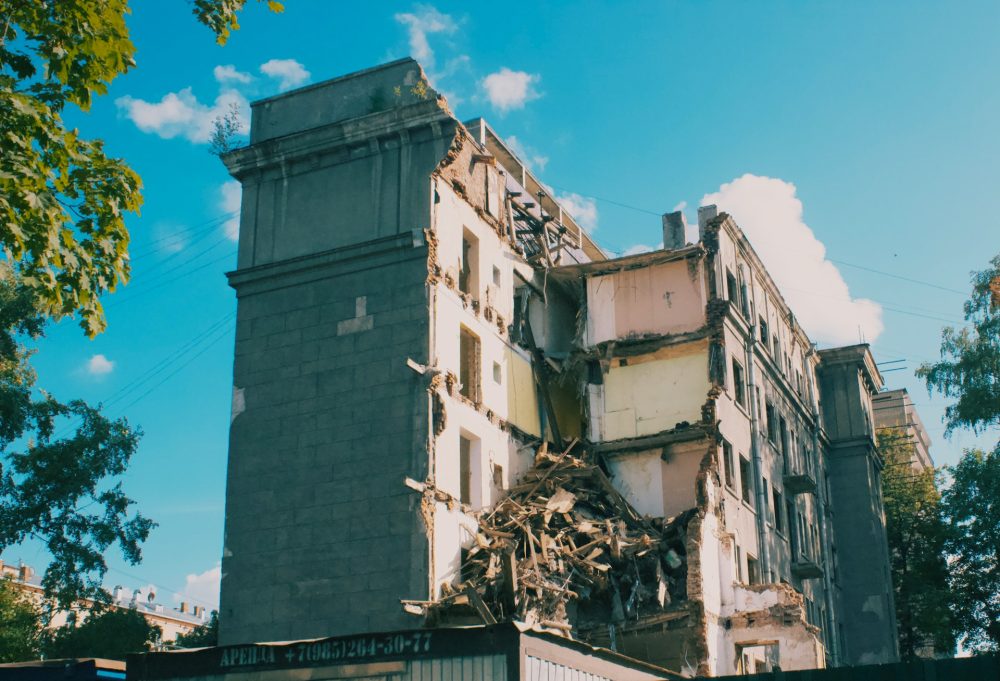
The Fez region is preparing a 22 billion dirham, ten-year program to combat recurring collapses. The partnership with the relevant ministries targets the “black belt” and makes a technical distinction between restoring the historical fabric and eradicating uncontrolled peripheral constructions, identified as major risk hotspots in the region.
The increasing number of building collapses in Fez is no longer an isolated incident but a sign of a profound structural crisis that demands a complete overhaul of urban management. The spiritual capital is bearing the brunt of the consequences of haphazard urbanization, where each rainy season revives the specter of human tragedies.
Faced with the recurring nature of these tragic incidents, the Fez region is currently collaborating with the relevant ministries to finalize a large-scale program. The plan mobilizes a budget of 22 billion dirhams spread over ten years. The objective is to secure the built environment by addressing the root causes of its precariousness, whether historical or due to uncontrolled development.
The spiral of collapses and the urgent need for 5,000 relocations in Fez:
The recent demolition of the “Titanic” building in the Sidi Boujida district symbolizes the gravity of the situation. The repeated collapses in the metropolitan area reveal the flaws in the control mechanisms and the saturation of traditional prevention systems.
Rainfall acts as a ruthless revealer of structural weaknesses, transforming entire neighborhoods into areas of imminent risk. The strategy currently being developed goes beyond ad hoc interventions and aims for the systematic eradication of substandard housing.
The program includes the creation of a reserve stock of at least 5,000 housing units. These units will be used to provide emergency accommodation for evacuated households to prevent precarious housing conditions from resulting in further loss of life.
A vital distinction between deteriorating heritage and deadly anarchy:
Technical analysis of buildings necessitates a clear distinction between two types of risk that are often confused. The first concerns the old medina of Fez, where historic buildings suffer from dilapidation and require complex restorations governed by Law 12-94. The second category, however, represents the most immediate and deadly danger.
These are buildings located in the new, haphazardly constructed suburban neighborhoods. These recent buildings do not comply with any engineering standards and often result from illegal additions of floors on inadequate foundations.
Experts point to these peripheral structures as the main cause of recent deaths due to collapses. Addressing these two problems requires differentiated approaches, combining preservation for the medina with safe demolition for the illegal extensions of the black belt.
A 22 billion dirham investment to address the structural deficit:
The scale of the required funding reflects the magnitude of the project. The amount of 22 billion dirhams far exceeds the financial capacity of local authorities and necessitates direct state intervention.
The financial commitment aims to cover demolition, reconstruction, and, most importantly, the relocation of affected populations over a ten-year period. Until now, financial constraints had been a major obstacle to implementing evacuation orders.
Delays in securing funding have often left families living in buildings on the verge of collapse, despite the existence of municipal orders. The new program aims to align budget availability with technical requirements to overcome the administrative inertia observed in the past.
49,000 national surveys and 780 priority cases:
Official data highlights the gap between the issuance of permits and the reality of construction sites. The Urban Renewal Agency has conducted more than 49,000 surveys nationwide since 2022, and expert assessments conclude that nearly 15,000 buildings need to be demolished.
In Fez, the situation is critical, with pending cases due to non-compliance with initial plans. Beneficiaries of previous relocation programs have illegally converted two-story houses into unstable tower blocks.
A complementary program is currently focused on the urgent relocation of 780 families living on high-risk sites. The establishment of special committees and a fund dedicated to defaulting landlords should expedite the process before the next rains cause further tragedies.
__
(Featured image by Michael Savin via Unsplash)
DISCLAIMER: This article was written by a third party contributor and does not reflect the opinion of Born2Invest, its management, staff or its associates. Please review our disclaimer for more information.
This article may include forward-looking statements. These forward-looking statements generally are identified by the words “believe,” “project,” “estimate,” “become,” “plan,” “will,” and similar expressions. These forward-looking statements involve known and unknown risks as well as uncertainties, including those discussed in the following cautionary statements and elsewhere in this article and on this site. Although the Company may believe that its expectations are based on reasonable assumptions, the actual results that the Company may achieve may differ materially from any forward-looking statements, which reflect the opinions of the management of the Company only as of the date hereof. Additionally, please make sure to read these important disclosures.
First published in LES ECO.ma. A third-party contributor translated and adapted the article from the original. In case of discrepancy, the original will prevail.
Although we made reasonable efforts to provide accurate translations, some parts may be incorrect. Born2Invest assumes no responsibility for errors, omissions or ambiguities in the translations provided on this website. Any person or entity relying on translated content does so at their own risk. Born2Invest is not responsible for losses caused by such reliance on the accuracy or reliability of translated information. If you wish to report an error or inaccuracy in the translation, we encourage you to contact us.








Argentina Introduces Automatic Authorization to Boost Crowdfunding and Investment Growth
The national government introduced automatic authorization for crowdfunding platforms, simplifying registration under CNV rules to speed investments and reduce bureaucracy....


Gilead’s $5 Billion Tubulis Deal Boosts Evotec Stake
Gilead is acquiring German biotech firm Tubulis for up to $5 billion, benefiting Evotec, which holds a 3.14 percent stake...


Switzerland Aligns Corporate Sustainability Rules with EU Standards
Switzerland proposes new sustainability rules to align with European Union standards. The law targets large companies, requiring ESG reporting and...


Bitcoin Leads Crypto Rally as Iran Ceasefire Boosts Markets
The US and Iran agreed to a two-week ceasefire, boosting crypto markets. Bitcoin surged above $71,500, Ethereum topped $2,200, while...


ECSP Crowdfunding vs. eWpG Bonds: Overcoming SME Financing Limits
The ECSP Regulation limits annual crowdfunding per project promoter to €5 million, requiring a full prospectus for higher amounts, which delays...
 |
|
 |  |
 |
|
-

 Markets2 days ago
Global Coffee Market Faces Price Drops Amid Strong Supply and Export Challenges
-

 Markets1 week ago
Dow Jones Tests Correction Zone Amid Bullish Momentum and Bubble Concerns
-
 Crowdfunding24 minutes ago
Argentina Introduces Automatic Authorization to Boost Crowdfunding and Investment Growth
-

 Crowdfunding1 week ago
Democratizing Farmland Investment: The Rise of Farm Fractions in Agritech