Biotech
Italy’s Pharmaceutical Sector Drives Innovation, Sustainability, and European Leadership
Italy’s pharmaceutical sector invests €4 billion annually, including €2.3 billion in R&D and €1.7 billion in industrial technologies, up 21% in five years. Strong university collaboration drives green innovation. Italy is a key European hub, boosted by exports, digitalization, AI, and sustainability, improving productivity, reducing emissions, and strengthening competitiveness and healthcare innovation overall.

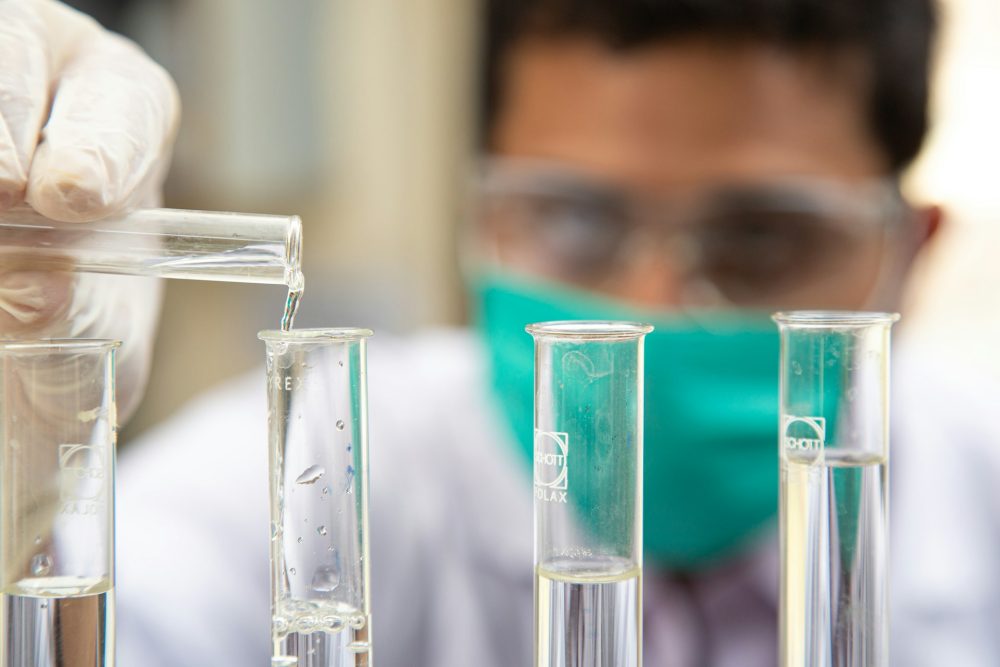
According to the Impatta-Deloitte white paper, the pharma sector in Italy invests €2.3 billion annually in research and development and €1.7 billion in industrial technologies, a 21% increase over the last five years. Seventy-five percent of companies in the sector collaborate with universities and research centers to develop green technologies.
The Italian pharmaceutical sector invests approximately €4 billion annually in research, development, and industrial technologies, with 21% growth over the last five years. This is according to the white paper “Innovation & Sustainability: The Strategic Value of the Pharmaceutical Sector,” promoted by Impatta and produced with the support of Deloitte , which highlights how the sector remains one of the main drivers of industrial innovation in the country.
Specifically, according to Farmindustria data reanalyzed by Deloitte, annual investments amount to €2.3 billion in research and development and €1.7 billion in industrial technologies. The study analyzes the pharmaceutical industry’s contribution to the evolution of the healthcare ecosystem, highlighting the increasingly central role of integrating scientific progress and sustainability.
The document, promoted by the Impatta think tank of the Earth Day Italia Foundation and Harmonic Innovation Group and produced with the support of Deloitte and the support of Lundbeck Italia, Angelini Pharma, PIAM Bruschettini
Farmaceutici, and Idorsia Italy Pharmaceuticals, “was created with the aim of fostering open dialogue between institutions, research, and industry,” says Carola Salvato, Senior Advisor to the Earth Day Italia Foundation and project coordinator. “The aim is to understand how innovation can concretely contribute to the country’s economic and social development.”
Italy and the pharma sector as a European hub for innovation
Europe continues to increase investment in research: in 2023, approximately €55 billion was allocated to research and development. In 2022, emerging biopharmaceutical companies developed 67% of new drugs and brought 69% of them to market, signaling the sector’s growing innovative autonomy.
In this scenario, Italy consolidates its position as a European industrial hub, with €56 billion in pharmaceutical production in 2024, €54 billion of which earmarked for exports, and added value growing by 17.7% between 2022 and 2024. Investments in the sector, amounting to approximately €4 billion per year, represent a strategic commitment that strengthens the country’s competitiveness, supporting innovation, production autonomy, and Italy’s role in the European healthcare ecosystem.
Digitalization is one of the main enabling factors of this evolution. In 2023, specialist telemedicine consultations grew by 172% , while services provided through the service pharmacy increased by 28% . Furthermore, tools for continuity of care are becoming more widespread, such as Digital Therapeutics, therapeutic solutions based on clinically proven software, and Patient Support Programs, personalized support systems for patients undergoing treatment with specific medications.
Technologies such as Artificial Intelligence, Big Data, and biotech platforms are becoming essential industrial assets to ensure competitiveness, health security, and timely access to innovation.
At the same time, the role of environmental sustainability in the sector’s industrial strategies is growing. 75% of companies in the sector collaborate with universities and research centers to develop green technologies , while 74% benefit from supporting infrastructure , 70% from favorable environmental policies and incentives, and a further 70% from access to renewable resources.
Emissions in the sector are approximately a quarter lower than the national manufacturing average, confirming the evolution towards increasingly efficient and responsible production models. The diffusion of sustainable technologies, data analytics, and intelligent automation improves process traceability, reduces waste, and increases productivity. Companies are also investing in employee well-being, advanced training , and the development of digital skills, recognizing human capital as a key driver of the sector’s competitiveness and innovation.
__
(Featured image by Talha Hasan via Unsplash)
DISCLAIMER: This article was written by a third party contributor and does not reflect the opinion of Born2Invest, its management, staff or its associates. Please review our disclaimer for more information.
This article may include forward-looking statements. These forward-looking statements generally are identified by the words “believe,” “project,” “estimate,” “become,” “plan,” “will,” and similar expressions. These forward-looking statements involve known and unknown risks as well as uncertainties, including those discussed in the following cautionary statements and elsewhere in this article and on this site. Although the Company may believe that its expectations are based on reasonable assumptions, the actual results that the Company may achieve may differ materially from any forward-looking statements, which reflect the opinions of the management of the Company only as of the date hereof. Additionally, please make sure to read these important disclosures.
First published in ESG NEWS. A third-party contributor translated and adapted the article from the original. In case of discrepancy, the original will prevail.
Although we made reasonable efforts to provide accurate translations, some parts may be incorrect. Born2Invest assumes no responsibility for errors, omissions or ambiguities in the translations provided on this website. Any person or entity relying on translated content does so at their own risk. Born2Invest is not responsible for losses caused by such reliance on the accuracy or reliability of translated information. If you wish to report an error or inaccuracy in the translation, we encourage you to contact us.












The TopRanked.io Weekly Digest: What’s Hot in Affiliate Marketing [LiveChat Affiliates Review]
Quick Disclosure: We’re about to tell you how LiveChat Affiliates run a top-notch affiliate program. And we really mean it....


German SMEs Face Tighter Bank Lending, Turn to Alternatives
Access to bank loans for German SMEs is tightening despite strong financing needs. About 37.8 percent face restrictive lending, driven...


Bitcoin Stalls as Geopolitical Risks and Crypto Industry Tensions Persist
Bitcoin is moving sideways near $72,000 amid ongoing Iran tensions, while ETF inflows remain strong. Quantum security debates continue. Ethereum...


Geopolitical Tensions and Trade Disruptions Reshape Global Commodities Markets
Geopolitical tensions and disrupted trade routes, especially around the Strait of Hormuz, are reshaping global commodities markets. Agriculture faces supply...


Germany Sees 413 Cannabis Cultivation Clubs Two Years After Partial Legalization
Two years after partial cannabis legalization in Germany, 413 cultivation clubs have been established nationwide. Lower Saxony leads in clubs...
 |
|
 |  |
 |
|
-
 Biotech1 week ago
Gilead Sciences Advances Growth Strategy with Focus on HIV, Oncology, and Innovation
-
 Impact Investing4 days ago
Ortus Secures €97M Green Loan to Expand Solar Portfolio in Italy
-

 Impact Investing2 weeks ago
Italian Unlisted Banks Lag on ESG Sustainability
-
 Business2 days ago
The TopRanked.io Weekly Digest: What’s Hot in Affiliate Marketing [LiveChat Affiliates Review]