Cannabis
Germany Tightens Cannabis Reimbursement Rules: Approved Medicines Must Come First
Germany’s Parliament passed the Statutory Health Insurance Contribution Rate Stabilization Act on July 10th, 2026, changing cannabis reimbursement rules. Around 65,000 patients must first try approved cannabis medicines for six months before flowers or extracts qualify for insurance coverage. Critics argue limited approved options, higher costs, and reduced medical freedom may restrict patient access.

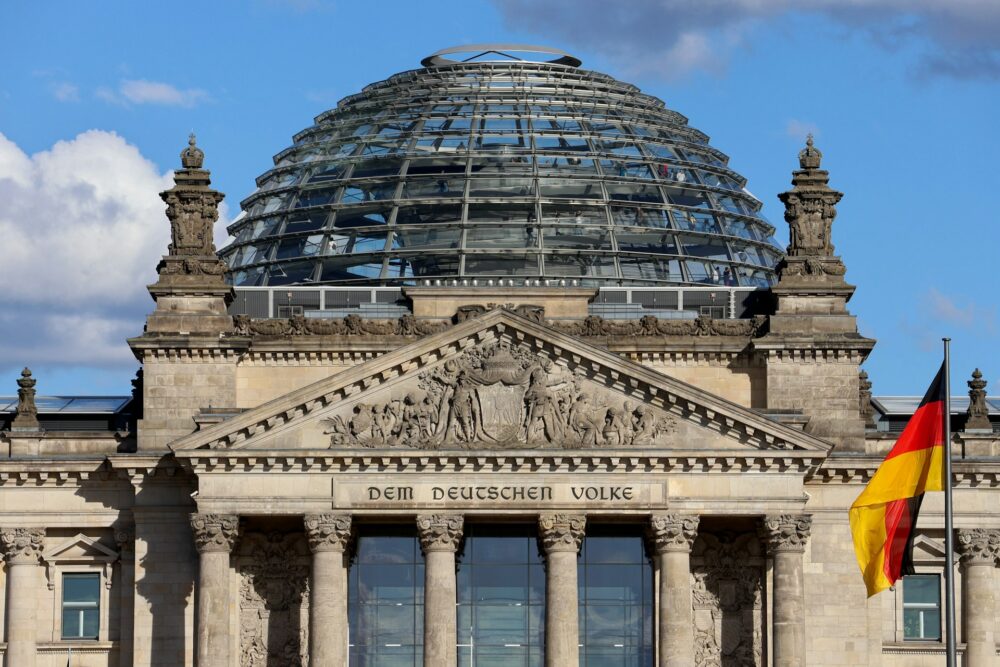
On July 10th, 2026, the German Parliament passed the Statutory Health Insurance Contribution Rate Stabilization Act. This finalizes what had existed only as a draft for months. For approximately 65,000 cannabis patients covered by statutory health insurance in Germany, the reimbursement process will fundamentally change. Dried flowers and extracts will become the second-line option; an approved finished medicinal product will take precedence.
When the Parliament in Germany first debated the end of reimbursement in June, the specific details were still open. Shortly before the vote, it became clear that even the reimbursement of extracts was in jeopardy. Now the final version is available, and it confirms the stricter approach. The cannabis chapter is only a small part of a larger austerity bill, but for those affected, it is the most significant aspect.
What the Parliament decided regarding cannabis reimbursement
The core of the new regulation in Germany is a preliminary therapeutic trial. Before health insurance will cover the cost of a cannabis flower or extract, treatment must first be carried out with an approved cannabis-based medicinal product. A period of at least six months is stipulated. Only if this trial is documented as unsuccessful will cannabis flowers and extracts be considered as a reimbursable alternative.
Unlike the original draft bill, the dried flower does not disappear completely from the list of covered services. However, it is relegated to a secondary position. The priority rule explicitly applies to both forms of administration, to the flower as well as to the extract. In practice, the legislator is thus reversing the previous prescribing practice, in which many doctors directly prescribed a compounded prescription.
Four ready-made medications, but hardly any suitable selection
The real problem lies in the details. In Germany, only four cannabis-based finished medicinal products are currently approved. Sativex is effective against spasticity in multiple sclerosis, Epidyolex against certain forms of epilepsy, and Canemes against nausea during chemotherapy. Recently, Exilby, a preparation approved for chronic back pain, has been added to the list .
This list offers little help to the largest patient group in Germany. A significant proportion of those receiving treatment suffer from chronic pain not covered by any of the three established approved medications. Exilby could theoretically fill this gap, but it is still bogged down in price negotiations and therefore practically non-reimbursable.
A overview of how the price is determined via AMNOG and health insurance companies illustrates just how heavily the negotiated price impacts actual access. Until then, pain patients in Germany are expected to test a medication that isn’t even intended for their specific condition.
Criticism from pharmacies and industry associations in Germany
The resistance is clear. Berlin pharmacist Melanie Dolfen warns that the regulation will severely restrict access to medicinal cannabis. The German Association of Pharmaceutical Cannabinoid Companies argues that the forced detour via finished medicinal products saves no money and even contradicts the stated cost-saving goal of the law. Critics also see the physician’s therapeutic autonomy curtailed because the priority replaces a medical decision with a formal order.
For many affected individuals, this isn’t an abstract debate, but a question of financial means. Those who initially miss out will have to finance their own cannabis production. The new priority regulation in Germany is likely to increase the group of people who cannot afford to buy medical cannabis for their pain.
What happens next in Germany after the decision?
The decision does not yet definitively conclude the process. The law is not a law requiring the approval of the Bundesrat (Federal Council), meaning its consent is not mandatory. However, the Bundesrat can request that the upper house of parliament convene a mediation committee, thereby forcing improvements. Several industry associations in Germany have already called for precisely this. Whether this course of action will be pursued will be decided in the coming weeks.
Regardless of whether health insurance covers it, prescriptions remain possible. Cannabis can still be obtained with a private prescription, but then at the patient’s own expense. A model used in Baden-Württemberg to facilitate the prescription of medical cannabis has demonstrated how a well-considered prescribing practice can improve access. The specific implementation of this new priority now depends on the details of the guidelines.
__
(Featured image by Dima via Unsplash)
DISCLAIMER: This article was written by a third party contributor and does not reflect the opinion of Born2Invest, its management, staff or its associates. Please review our disclaimer for more information.
This article may include forward-looking statements. These forward-looking statements generally are identified by the words “believe,” “project,” “estimate,” “become,” “plan,” “will,” and similar expressions. These forward-looking statements involve known and unknown risks as well as uncertainties, including those discussed in the following cautionary statements and elsewhere in this article and on this site. Although the Company may believe that its expectations are based on reasonable assumptions, the actual results that the Company may achieve may differ materially from any forward-looking statements, which reflect the opinions of the management of the Company only as of the date hereof. Additionally, please make sure to read these important disclosures.
First published in Hanf Magazin. A third-party contributor translated and adapted the article from the original. In case of discrepancy, the original will prevail.
Although we made reasonable efforts to provide accurate translations, some parts may be incorrect. Born2Invest assumes no responsibility for errors, omissions or ambiguities in the translations provided on this website. Any person or entity relying on translated content does so at their own risk. Born2Invest is not responsible for losses caused by such reliance on the accuracy or reliability of translated information. If you wish to report an error or inaccuracy in the translation, we encourage you to contact us.
















Morocco’s Budget Execution June 2026: Deficit Narrows to 20.2 MMDH
Morocco’s Finance Law execution at end-June 2026 shows a reduced budget deficit of 20.2 billion dirhams, down from 24.9 billion...


Tilray Brands Hits Multi-Year Lows as Cannabis Investors Await Regulatory Clarity
Tilray Brands shares have fallen 57% this year amid cannabis sector weakness and uncertainty over US regulatory reform. While potential...


Ethereum Between ETF Inflows, Price Risks and a Strong July
Ethereum faces mixed signals as ETF inflows and a strong July performance support recovery, while technical resistance and downside risks...


Mercedes-Benz Accelerates EV Decarbonization With Recycled Aluminum
Mercedes-Benz expands its partnership with Hydro to accelerate supply chain decarbonization. Future electric vehicles will use Hydro CIRCAL aluminum containing...


Evotec and BioGaia Boost Biotech, while Vitrolife Disappoints
European stocks moved on earnings and broker actions. Evotec, BioGaia, Plus500, Pharming, Inwido, Amundi and Julius Baer rallied on upgrades,...
 |
|
 |  |
 |
|
-

 Africa2 weeks ago
PAASIFEJ: Results-Based Financing Driving Inclusive and Sustainable Rural Growth in Morocco
-
 Cannabis2 days ago
Tilray Brands Hits Multi-Year Lows as Cannabis Investors Await Regulatory Clarity
-

 Fintech1 week ago
Blockchain Evolves Toward AI, Finance and Quantum Security
-

 Impact Investing4 days ago
TotalEnergies Challenges Landmark Climate Ruling and Disputes Customer Liability for Emissions