Biotech
Early Use of Tirzepatide Shows Strong Results in Type 2 Diabetes Study
Type 2 diabetes is strongly linked to obesity, and early, strict control may improve outcomes for millions of patients. The SURPASS-EARLY study shows tirzepatide outperforms standard therapy, delivering greater HbA1c reduction, weight loss, and cardiometabolic improvements. Experts argue early treatment targeting excess fat could slow disease progression and reduce complications significantly.

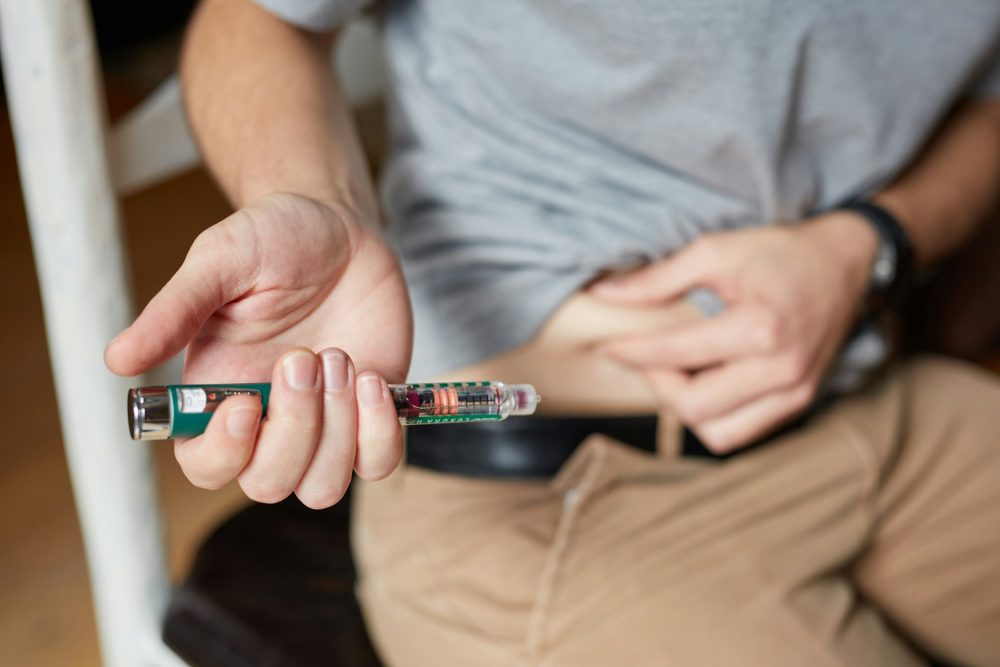
Type 2 diabetes is a chronic and progressive disease, closely linked to excess weight. Achieving stricter and earlier diabetes control could change the outlook for the 5.3 million patients in Spain. These are the main conclusions of the two-year SURPASS-EARLY study on tirzepatide, published in the prestigious journal Annals of Internal Medicine.
This publication adds to the scientific evidence demonstrating the clinical relevance of tirzepatide, a drug recently funded by the French public health system, a request also made to the Spanish authorities by the main scientific societies in Spain.
“The main scientific societies involved in diabetes management in Spain have expressed their concern about the lack of public funding for tirzepatide in type 2 diabetes in our country. They believe that this situation limits patients’ equitable access to an innovative therapy whose differential efficacy has been widely demonstrated and corroborated by studies such as SURPASS-EARLY,” added Rocío Villar, a physician in the Endocrinology and Nutrition Department at the University Hospital Complex of Santiago de Compostela.
Comparison with standard clinical practice
SURPASS-EARLY is a Phase IV clinical trial evaluating the impact of early use of a GIP/GLP-1 inhibitor, such as tirzepatide, in type 2 diabetes, compared to intensified conventional treatment in adult patients who did not achieve glycemic control with diet, exercise, and metformin.
Intensified conventional treatment reflects real-world clinical practice by integrating all therapeutic strategies according to clinical guidelines and available treatments for early-stage type 2 diabetes. This research has a planned total follow-up of 4 years, and this analysis presents the results for the first 2 years, focusing on glycemic control and metabolic parameters.
The incidence of diabetes in people of normal weight is 2.7 cases per 1,000 person-years, while in people with obesity* it reaches 17.5 cases per 1,000 person-years. This is detailed in a sub-analysis of the di@abet.es study on the influence of obesity on the development of diabetes. The risk of developing type 2 diabetes in people with obesity is approximately 27 times higher than in people of normal weight, increasing progressively as BMI increases.
“Weight loss is one of the most effective interventions for preventing type 2 diabetes in high-risk individuals. When diabetes is already present, addressing obesity can significantly influence its progression. The SURPASS-EARLY study shows that a strategy focused on achieving significant weight loss from the early stages is accompanied by a very significant improvement in glycemic control and a high proportion of participants achieving normoglycemia. Reaching these goals from the early stages of the disease could translate into delaying the progression of diabetes and its complications,” explained Virginia Bellido, an endocrinologist at the Virgen del Rocío Hospital in Seville.
SURPASS-EARLY included 794 patients with early-stage type 2 diabetes, with a mean disease duration of 2.6 years and inadequate glycemic control and cardiometabolic risk factors (mean HbA1c 7.8%, obesity – mean weight ~100 kg; BMI ~35.4 kg/m² – and waist circumference ~114 cm, with similar characteristics between both groups).
At two years, tirzepatide demonstrated superiority over intensified conventional therapy in terms of diabetes control (with a mean reduction in HbA1c from baseline to two years [−1.99% vs −1.32%; p<0.001], achieving glycemic control (HbA1c <5.7%) in a greater number of patients [60.2% vs 24.0%]). This benefit was accompanied by a significantly greater weight loss (−13.8 kg vs −5.9 kg; p<0.001) and a notable reduction in waist circumference (the difference between treatments was -6.2 cm; p<0.001).
Furthermore, improvements were observed in key cardiometabolic parameters such as triglycerides and VLDL, which were greater in the treatment group compared to the control group. The safety profile was consistent with previous studies, with adverse events mainly gastrointestinal, mostly mild to moderate.
Tirzepatide is addressing the disease from its origin
“Excess dysfunctional fat is a root cause of type 2 diabetes. It makes perfect sense to treat the underlying problem with a molecule that offers superior weight loss results, such as tirzepatide. The sooner we do so, the sooner we can correct aspects that, if left untreated, promote the progression of the disease. We will be able to curb not only complications linked to poor glycemic control but also those related to the presence of this excess fat. It should be a preferred pharmacological option,”said Igotz Aranbarri, a family physician at the Landako Health Center in Durango.
__
(Featured image by Sweet Life via Unsplash)
DISCLAIMER: This article was written by a third party contributor and does not reflect the opinion of Born2Invest, its management, staff or its associates. Please review our disclaimer for more information.
This article may include forward-looking statements. These forward-looking statements generally are identified by the words “believe,” “project,” “estimate,” “become,” “plan,” “will,” and similar expressions. These forward-looking statements involve known and unknown risks as well as uncertainties, including those discussed in the following cautionary statements and elsewhere in this article and on this site. Although the Company may believe that its expectations are based on reasonable assumptions, the actual results that the Company may achieve may differ materially from any forward-looking statements, which reflect the opinions of the management of the Company only as of the date hereof. Additionally, please make sure to read these important disclosures.
First published in GACETA MEDICA. A third-party contributor translated and adapted the article from the original. In case of discrepancy, the original will prevail.
Although we made reasonable efforts to provide accurate translations, some parts may be incorrect. Born2Invest assumes no responsibility for errors, omissions or ambiguities in the translations provided on this website. Any person or entity relying on translated content does so at their own risk. Born2Invest is not responsible for losses caused by such reliance on the accuracy or reliability of translated information. If you wish to report an error or inaccuracy in the translation, we encourage you to contact us.








Cannabis Regulation in Germany and Switzerland Shows Early Benefits of Legalization Models
Germany and Switzerland’s cannabis reforms suggest regulated access can reduce criminalization without increasing consumption. Germany saw fewer cannabis-related prosecutions, while...


Insight Foto Festival Launches €4,500 Crowdfunding Campaign to Support 2026 Edition
Insight Foto Festival in Varese has launched a €4,500 crowdfunding campaign to sustain its free 2026 edition. Organized by Gattabuia...


Vexuvo Secures €39M UniCredit Financing to Drive Agrivoltaic and Storage Expansion in Italy
UniCredit has provided €39.3 million financing to vexuvo to support four agrivoltaic plants totaling about 33 MW across Italy, advancing...


Alzheimer’s Study Reveals Immune Pathway Behind Women’s Higher Vulnerability and Potential New Treatment Approach
A CSIC-UMH study identifies heightened interferon signaling as a key factor in women’s greater Alzheimer’s vulnerability. Analysis of human brain...


Bitcoin Rally Faces Tests from Fed, ETFs, and Market Fear
Bitcoin rebounds above $64,000 after a short squeeze and whale accumulation, but remains far below its record high amid cautious...
 |
|
 |  |
 |
|
-

 Impact Investing5 days ago
ECB Adds Climate Risk Factor to Collateral Rules
-

 Fintech1 week ago
Wultra Raises €6.8 Million in Series A Funding to Strengthen its Post-Quantum Authentication Technologies
-
 Biotech10 hours ago
Alzheimer’s Study Reveals Immune Pathway Behind Women’s Higher Vulnerability and Potential New Treatment Approach
-

 Biotech1 week ago
The New Biotech Act Targets Europe’s Funding and Innovation Gap