Crypto
XRP Under Pressure Amid Macro Forces, Fed Policy, and Regulatory Shifts
XRP remains under pressure despite easing geopolitical tensions, as macroeconomic factors and Fed policy dominate market sentiment. Liquidations and high leverage have intensified volatility, pushing prices lower. Meanwhile, Ripple’s partnership with Flutterwave expands payment use cases in Africa, and the CLARITY Act could improve regulation and attract institutional investment if passed.

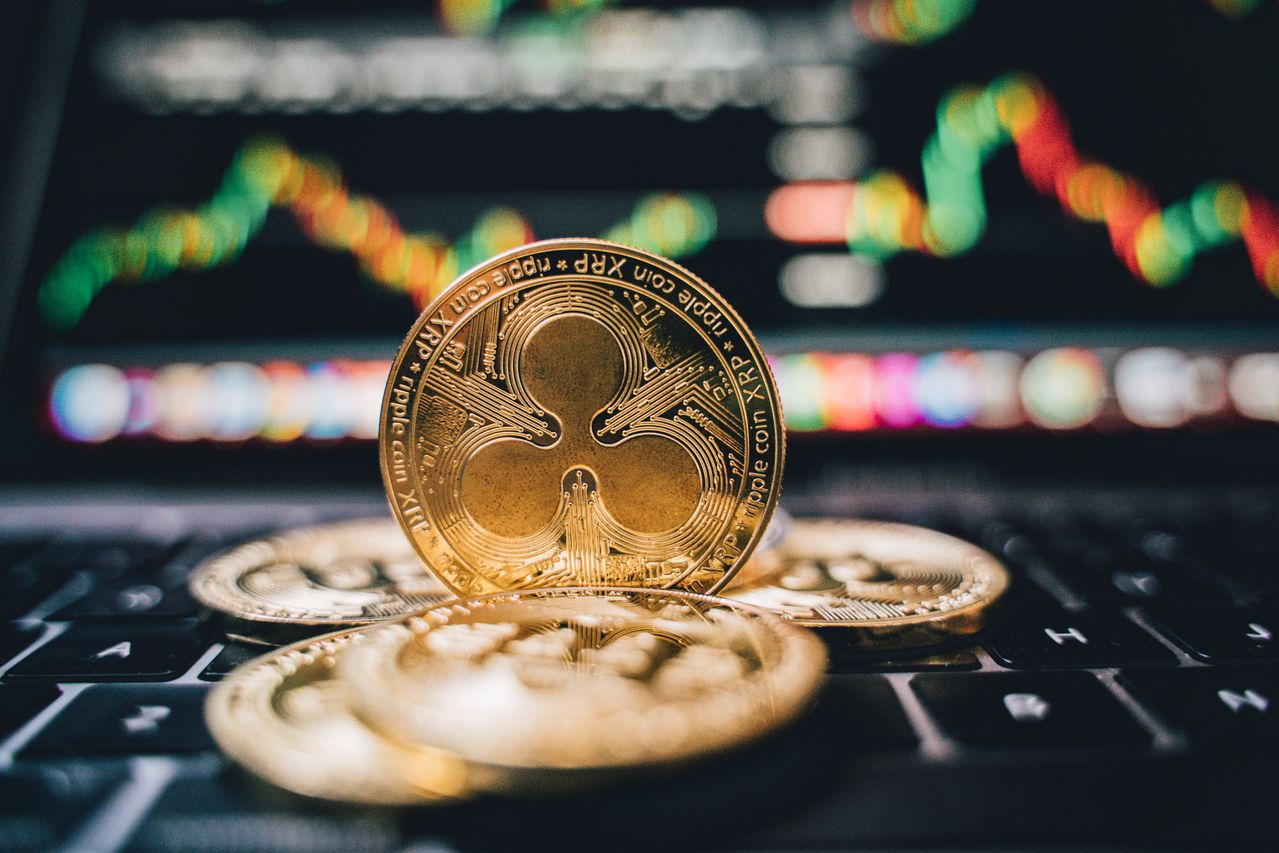
Recent developments surrounding XRP are highly relevant for investors and market observers, as the token continues to react strongly to macroeconomic conditions, regulatory progress, and strategic partnerships.
Even though geopolitical tensions between the United States and Iran appear to be easing, XRP remains under pressure, showing that broader economic forces currently outweigh geopolitical sentiment in shaping crypto market behavior.
US-Iran easing and market reaction
The gradual reduction in tensions between the US and Iran has created optimism across financial markets, yet XRP has not followed this positive tone. Instead, its price declined to around $1.15, approaching yearly lows.
This divergence suggests that macroeconomic drivers are dominating price action more than geopolitical developments. Despite expectations that easing global tensions might support risk assets, XRP continues to reflect broader financial pressures rather than political relief.
XRP Liquidations after Fed decision
Following the Federal Reserve’s decision to keep interest rates unchanged at 3.75 percent, the crypto market experienced significant liquidations totaling approximately $338 million. XRP was directly affected, with its price dropping to around $1.15 and year-to-date losses nearing 39 percent. The Fed’s restrictive monetary stance has encouraged traders to reduce leveraged exposure, intensifying selling pressure. At the same time, XRP’s distance from its 200-day moving average, at $1.56, highlights ongoing technical weakness and investor caution.
Market commentary emphasizes that macroeconomic conditions are currently outweighing blockchain-related fundamentals, reinforcing the view that monetary policy remains a key driver of crypto price direction.
XRP’s Partnership with Flutterwave in Africa
On the development side, Ripple’s investment in Flutterwave marks a significant step in expanding blockchain-based payment infrastructure across Africa. The partnership integrates Ripple’s stablecoin RLUSD and the XRP Ledger into Flutterwave’s payment systems, which have already processed over $50 billion across more than one billion transactions.
This collaboration aims to support large-scale transaction flows and improve cross-border payment efficiency. The use of RLUSD as a settlement currency and the XRP Ledger as a clearing mechanism could strengthen XRP’s role in institutional payment systems. This development is viewed as strategically important for the long-term adoption of XRP in global financial infrastructure, particularly in emerging markets.
RSI signal and continued pressure
Despite technical indicators suggesting potential reversal conditions, XRP remains under downward pressure. The weekly Relative Strength Index (RSI) has fallen below 30, a level often associated with oversold conditions and historical market bottoms. Additionally, large investors have reportedly increased buying activity, yet this has not been enough to reverse the broader trend.
XRP continues to trade near $1.20, showing that external macroeconomic and regulatory factors are still dominating market behavior. Attention is also focused on the upcoming Senate vote on the CLARITY Act, which could significantly influence XRP’s regulatory classification. If passed, XRP could be recognized as a commodity, potentially increasing institutional participation and capital inflows.
XRP leverage reaches yearly high
At the same time, market leverage has reached a yearly high on trading platforms such as Binance, even as XRP’s price declines to around $1.21. This indicates increased speculative positioning despite ongoing downward pressure. The Fear and Greed Index at 23 reflects extreme fear in the market, highlighting widespread caution among traders.
The Federal Reserve’s decision to maintain interest rates between 3.50 and 3.75 percent has further reinforced expectations of continued restrictive financial conditions. This environment has contributed to reduced risk appetite, with institutional investors scaling back exposure and adding further pressure on XRP.
The CLARITY Act progress
The CLARITY Act has advanced through the Senate Banking Committee with a 15 to 9 vote and is now awaiting a full Senate vote. If passed, it could classify XRP as a digital commodity under federal law, significantly reducing regulatory uncertainty. This development is viewed as potentially transformative for XRP’s long-term outlook, particularly in attracting institutional capital.
Despite these legislative advances, XRP is still trading around $1.18 and has declined approximately 45 percent year-to-date. However, market participants see the CLARITY Act as a possible catalyst for recovery, especially if it leads to clearer regulatory frameworks and increased institutional engagement.
__
(Featured image by Alesia Kozik via Pexels)
DISCLAIMER: This article was written by a third party contributor and does not reflect the opinion of Born2Invest, its management, staff or its associates. Please review our disclaimer for more information.
This article may include forward-looking statements. These forward-looking statements generally are identified by the words “believe,” “project,” “estimate,” “become,” “plan,” “will,” and similar expressions. These forward-looking statements involve known and unknown risks as well as uncertainties, including those discussed in the following cautionary statements and elsewhere in this article and on this site. Although the Company may believe that its expectations are based on reasonable assumptions, the actual results that the Company may achieve may differ materially from any forward-looking statements, which reflect the opinions of the management of the Company only as of the date hereof. Additionally, please make sure to read these important disclosures.
First published in CoinKurier. A third-party contributor translated and adapted the article from the original. In case of discrepancy, the original will prevail.
Although we made reasonable efforts to provide accurate translations, some parts may be incorrect. Born2Invest assumes no responsibility for errors, omissions or ambiguities in the translations provided on this website. Any person or entity relying on translated content does so at their own risk. Born2Invest is not responsible for losses caused by such reliance on the accuracy or reliability of translated information. If you wish to report an error or inaccuracy in the translation, we encourage you to contact us.















Morocco’s Budget Execution June 2026: Deficit Narrows to 20.2 MMDH
Morocco’s Finance Law execution at end-June 2026 shows a reduced budget deficit of 20.2 billion dirhams, down from 24.9 billion...


Tilray Brands Hits Multi-Year Lows as Cannabis Investors Await Regulatory Clarity
Tilray Brands shares have fallen 57% this year amid cannabis sector weakness and uncertainty over US regulatory reform. While potential...


Ethereum Between ETF Inflows, Price Risks and a Strong July
Ethereum faces mixed signals as ETF inflows and a strong July performance support recovery, while technical resistance and downside risks...


Mercedes-Benz Accelerates EV Decarbonization With Recycled Aluminum
Mercedes-Benz expands its partnership with Hydro to accelerate supply chain decarbonization. Future electric vehicles will use Hydro CIRCAL aluminum containing...


Evotec and BioGaia Boost Biotech, while Vitrolife Disappoints
European stocks moved on earnings and broker actions. Evotec, BioGaia, Plus500, Pharming, Inwido, Amundi and Julius Baer rallied on upgrades,...
 |
|
 |  |
 |
|
-

 Fintech2 weeks ago
FinTech Matures as AI and Infrastructure Drive the Next Growth Phase
-

 Business2 days ago
BMW Hit by China Slowdown as Samsung Profits Soar and Adidas Gains World Cup Boost
-

 Cannabis1 week ago
Switzerland’s Medical Cannabis Reform Advances Access, But Barriers Remain
-

 Africa5 days ago
BMCE Capital Markets Launches Carbon Market Offering for Moroccan Transport Operators