Impact Investing
Coastal Cities Lead as Heat Strains Italy’s Urban Livability
Italy’s 2026 Climate Livability Index shows coastal cities, led by Ancona, outperform inland areas as global warming intensifies. Adriatic locations benefit from cooling influences, while the Po Valley and major cities face heat, humidity, and urban heat islands. Rising temperatures, tropical nights, and extreme weather events increasingly threaten urban comfort, health, and resilience nationwide.

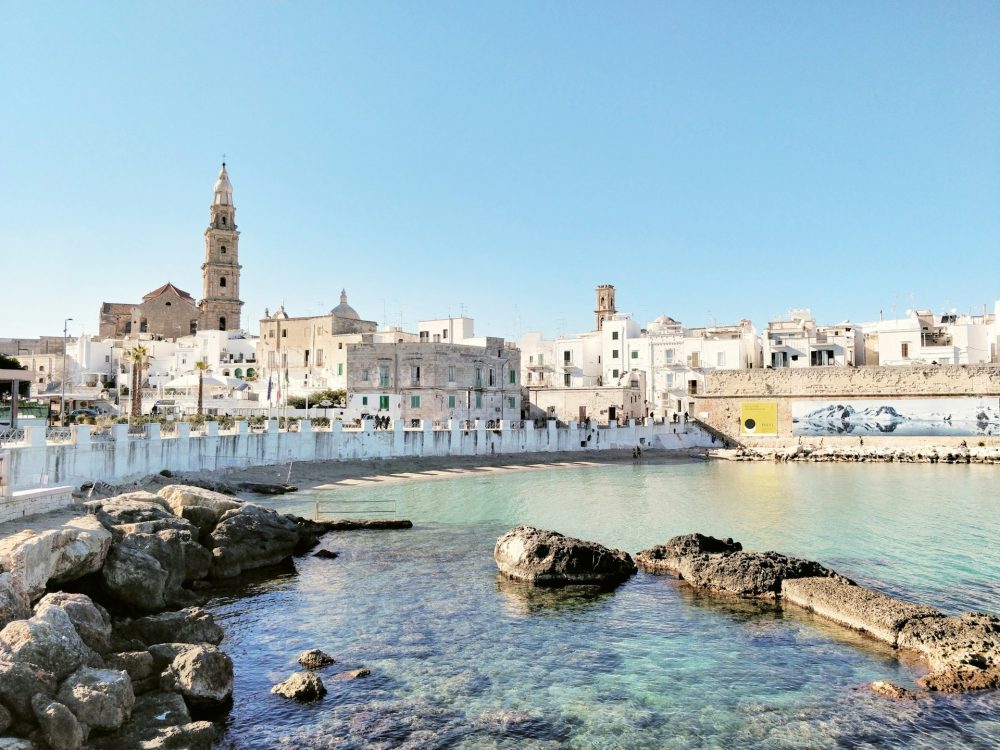
The fifth edition of the Climate Livability Index by Corriere della Sera and iLMeteo.it highlights the growing impact of global warming on urban centers. The Adriatic coast stands out, while the Po Valley and major cities suffer from heat, humidity, and extreme events.
Ancona takes first place in the 2026 Climate Index compiled by Corriere della Sera in collaboration with iLMeteo.it , which analyzes weather conditions recorded in Italy’s provincial capitals in 2025. It is followed by Bari, Vibo Valentia, Brindisi, and Trapani, confirming the advantage of coastal cities, particularly those along the Adriatic coast, in a context marked by rising temperatures and the intensifying effects of climate change.
Climate pressures reshape Italy’s livability, with coastal cities gaining advantage as inland areas face rising heat, humidity, and extreme weather
The fifth edition of the study examined 108 provincial capitals using 17 climate indicators, processing over 418 million data points to assess climate quality across the country. The goal is to measure how weather conditions impact urban livability, considering factors such as extreme temperatures, humidity, precipitation, wind, fog, intense weather events, and tropical nights.
The most striking finding is the growing difficulty of inland cities and the Po Valley, increasingly exposed to the phenomenon of urban heat islands . High summer temperatures, fewer subzero days in winter, and increased humidity are significantly altering climate comfort in densely urbanized areas.
Ancona, which this year replaces Cagliari at the top of the ranking, benefits from a favorable geographic location and the mitigating influence of the Adriatic Sea . According to the study’s authors, cities on Italy’s eastern coast are more affected by influxes of cool air from the Balkans, while the Tyrrhenian basin and the western Mediterranean are experiencing more marked warming.
Large cities, however, are penalized. Rome and Florence rank 91st and 92nd , respectively , primarily due to high summer temperatures and the high number of tropical nights , during which the minimum temperature never drops below 20 degrees Celsius. Milan ranks 74th , while Trieste, 13th, is the highest-ranked city in the North.
The analysis also highlights how 2025 was one of the hottest years on record in Italy , with an average temperature 1.77 degrees Celsius higher than the pre-industrial era. The number of tropical nights is increasing across the peninsula: Reggio Calabria, Taranto, and Palermo recorded over 110, while cities such as Genoa, Naples, Rome, and Milan also experienced long periods of persistent heat.
“If this upward trend continues, we should start including ‘supertropical nights’ among the indicators, that is, those with minimum temperatures above 25 degrees,” observes Lorenzo Tedici, meteorologist and media manager at iLMeteo.it. This signal highlights how the effects of global warming are becoming increasingly evident even at night, with impacts on health, energy consumption, and the quality of life in cities.
Among the methodological innovations of the 2026 edition is the use of meteorological stations located in urban centers, rather than peripheral areas or airports, to more accurately measure the heat island effect. The study also integrated ERA5-Land climate data from the European Copernicus program with artificial intelligence tools to assess the urban microclimate.
“We preferred to consider the stations in urban centers because they provide a more realistic representation of cities and the heat island effect,” explains Tedici. In some urban areas, the researchers point out, the temperature difference compared to the outskirts can reach up to 7 degrees.
Finally, the study highlights an increasing frequency of extreme weather events. In 2025, cities like Udine and Milan recorded numerous episodes of intense rainfall, gusts of wind, and violent thunderstorms, confirming a trend that is increasingly affecting Northern Italy. The observed changes in the climate ranking therefore reflect not only the geographical differences between regions, but also the increasingly tangible effects of the climate crisis on the well-being of urban communities and the resilience of Italian cities.
__
(Featured image by reisetopia via Unsplash)
DISCLAIMER: This article was written by a third party contributor and does not reflect the opinion of Born2Invest, its management, staff or its associates. Please review our disclaimer for more information.
This article may include forward-looking statements. These forward-looking statements generally are identified by the words “believe,” “project,” “estimate,” “become,” “plan,” “will,” and similar expressions. These forward-looking statements involve known and unknown risks as well as uncertainties, including those discussed in the following cautionary statements and elsewhere in this article and on this site. Although the Company may believe that its expectations are based on reasonable assumptions, the actual results that the Company may achieve may differ materially from any forward-looking statements, which reflect the opinions of the management of the Company only as of the date hereof. Additionally, please make sure to read these important disclosures.
First published in ESG NEWS. A third-party contributor translated and adapted the article from the original. In case of discrepancy, the original will prevail.
Although we made reasonable efforts to provide accurate translations, some parts may be incorrect. Born2Invest assumes no responsibility for errors, omissions or ambiguities in the translations provided on this website. Any person or entity relying on translated content does so at their own risk. Born2Invest is not responsible for losses caused by such reliance on the accuracy or reliability of translated information. If you wish to report an error or inaccuracy in the translation, we encourage you to contact us.













Cannabis Regulation in Germany and Switzerland Shows Early Benefits of Legalization Models
Germany and Switzerland’s cannabis reforms suggest regulated access can reduce criminalization without increasing consumption. Germany saw fewer cannabis-related prosecutions, while...


Insight Foto Festival Launches €4,500 Crowdfunding Campaign to Support 2026 Edition
Insight Foto Festival in Varese has launched a €4,500 crowdfunding campaign to sustain its free 2026 edition. Organized by Gattabuia...


Vexuvo Secures €39M UniCredit Financing to Drive Agrivoltaic and Storage Expansion in Italy
UniCredit has provided €39.3 million financing to vexuvo to support four agrivoltaic plants totaling about 33 MW across Italy, advancing...


Alzheimer’s Study Reveals Immune Pathway Behind Women’s Higher Vulnerability and Potential New Treatment Approach
A CSIC-UMH study identifies heightened interferon signaling as a key factor in women’s greater Alzheimer’s vulnerability. Analysis of human brain...


Bitcoin Rally Faces Tests from Fed, ETFs, and Market Fear
Bitcoin rebounds above $64,000 after a short squeeze and whale accumulation, but remains far below its record high amid cautious...
 |
|
 |  |
 |
|
-

 Crypto1 week ago
Crypto Platforms Expand Stock Perpetual Trading
-

 Crypto5 days ago
SpaceX Bitcoin Move Sparks Debate Amid Market Uncertainty
-
 Impact Investing1 week ago
ReLife Recycling Acquires Palcart Recycling Operations in Verona
-
 Crypto1 day ago
Bitcoin Rally Faces Tests from Fed, ETFs, and Market Fear