Crowdfunding
Historic KiHa 2101 Railcar Restored in Japan Through Community Effort
The historic KiHa 2101 diesel railcar in Japan has been fully restored at the Kosaka Railway Rail Park after a multi-year project funded by crowdfunding, donations, and volunteers. Built in 1962, it served until 1988 and reflects regional rail history tied to mining. Restoration included technical and cosmetic work, returning its original livery and details.

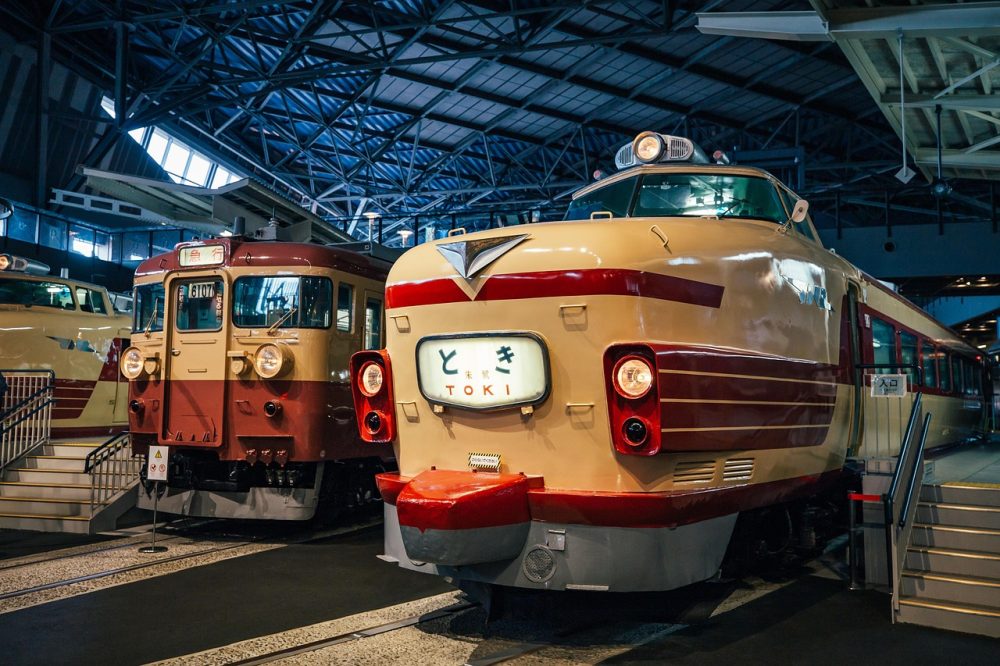
The historic Japanese diesel railcar KiHa 2101, located in the Kosaka Railway Rail Park in Akita Prefecture, has been restored to its original appearance after several years of work. The project, funded through crowdfunding, donations, and the work of volunteers, aims to preserve an important piece of regional railway history.
The restoration cost around five million yen (approximately €29,000). In addition to a crowdfunding campaign by the city of Kosaka, donations from the Kosaka Railway Preservation Society also contributed to the financing. Work began in 2023 and was completed at the end of May.
Railcars shaped passenger transport for decades
The KiHa 2101 entered service in Japan in 1962 and was one of the most famous vehicles of the Kosaka Railway for many years. It operated passenger services between Odate and Kosaka until 1988 and was a significant part of daily life for many people in the region.
The restored vehicle was presented to the public on May 30th. The KiHa 2101 once again sports its historic red and cream livery with a white stripe, the same livery it wore during its active service.
With a length of 20 meters and a height of 3.6 meters, the railcar is one of the largest preserved vehicles of the former railway line.
The railway was closely linked to mining
The Kosaka Railway was originally built to transport ore from the region’s mines. Later, it also developed into an important transport link for the inhabitants of the mining town of Kosaka.
The railway line belonged to the Dowa Group, which operated mining operations in the region for decades. As a result, the railway was closely linked to the city’s economic development.
Passenger service was discontinued in 1994. Freight service ended in 2009. With the end of rail operations, the region lost one of its most important historical means of transport.
The restoration went far beyond the exterior paintwork
The work was not limited to the exterior. The bogies and engine compartment were also overhauled. Furthermore, the team restored numerous technical details. Water, fuel, and oil lines were color-coded according to their original markings. The aim was to restore the historical appearance as faithfully as possible.
According to those involved, the vehicle remained outdoors for many years after the end of regular service. Wind, rain, and snow had caused significant damage. In winter, the railcar was regularly covered by large amounts of snow.
Volunteers pursued the KiHa 2101 project for decades
Hiroyuki Chiba, chairman of the Kosaka Railway Preservation Society, explained that the idea to secure the vehicle originated around 30 years ago. Even then, the historical value of the railcar was recognized.
A large part of the restoration work was undertaken by members of the association. This included, among other things, painting the substructure and repairing the entrance doors.
Jiro Suzuki, head of the Kosaka Railway Rail Park, emphasized that the support of volunteers had contributed significantly to the project’s success, making a faithful restoration possible.
Rail Park preserves the history of the line
The Kosaka Railway Rail Park opened in 2014 on the site of the former railway station. The park preserves vehicles, buildings, and technical equipment from the disused railway line and is one of the few places in Japan where a former regional railway is maintained as a cohesive museum complex.
The restoration of the KiHa 2101 is part of a larger trend in Japan. Many municipalities and railway associations are striving to preserve historic vehicles from the post-war period, as more and more regional lines are being closed and numerous older trains are disappearing from regular service.
The restored KiHa 2101 will initially be displayed in the park’s engine shed, where visitors can view the vehicle. To officially mark the completion of the restoration, the Rail Park is planning a commemorative event on June 6th.
—
(Featured image by travellm via Pixabay)
DISCLAIMER: This article was written by a third party contributor and does not reflect the opinion of Born2Invest, its management, staff or its associates. Please review our disclaimer for more information.
This article may include forward-looking statements. These forward-looking statements generally are identified by the words “believe,” “project,” “estimate,” “become,” “plan,” “will,” and similar expressions. These forward-looking statements involve known and unknown risks as well as uncertainties, including those discussed in the following cautionary statements and elsewhere in this article and on this site. Although the Company may believe that its expectations are based on reasonable assumptions, the actual results that the Company may achieve may differ materially from any forward-looking statements, which reflect the opinions of the management of the Company only as of the date hereof. Additionally, please make sure to read these important disclosures.
First published in Sumikai. A third-party contributor translated and adapted the article from the original. In case of discrepancy, the original will prevail.
Although we made reasonable efforts to provide accurate translations, some parts may be incorrect. Born2Invest assumes no responsibility for errors, omissions or ambiguities in the translations provided on this website. Any person or entity relying on translated content does so at their own risk. Born2Invest is not responsible for losses caused by such reliance on the accuracy or reliability of translated information. If you wish to report an error or inaccuracy in the translation, we encourage you to contact us.















Ecobnb Turns Sustainable Tourism Into Measurable Impact
Ecobnb’s sustainable tourism platform generated significant environmental and social impact in 2025, avoiding 58,207 kg of CO₂ and adding 583...


Sugar Markets Balance Biofuel Demand and Global Supply
Sugar markets in New York and London were mostly unchanged as the Iran conflict renewed interest in biofuels. Drought concerns...


The $40 Trillion Trap: Disinflation Is Not Deliverance
U.S. debt has reached $40 trillion, with $24 billion weekly interest, while deficits accelerate. Despite disinflation in CPI, from cooling...


FinTech Matures as AI and Infrastructure Drive the Next Growth Phase
Fintech markets are entering a mature phase, shifting from rapid growth to consolidation, specialization, and sustainable business models. Zurich and...


Bitcoin, and Ethereum Rise, While Cardano Enters Transition
Bitcoin and Ethereum posted modest weekend gains, supported by ETF inflows. A new proposal may protect Bitcoin from quantum threats....
 |
|
 |  |
 |
|
-

 Africa1 week ago
Morocco Cuts Card Fees to Spur Digital Payments, but Uncertainty Remains
-

 Markets2 weeks ago
Rice Prices Rise as Supply Outlook Tightens and Demand Stays Mixed
-
 Cannabis5 days ago
Virginia Cannabis Market Could Reshape Regional Competition
-

 Biotech2 weeks ago
BIP Sells BIC Incubator to Innova, Refocuses on Core Innovation Areas