Crowdfunding
Japanese Crowdfunding Platform Ubugoe Faces Payment Crisis After Withholding Funds
Ubugoe, a Japanese crowdfunding platform, has failed to transfer more than ¥65 million raised for railway companies, developers, and event organizers. Over 5,000 backers supported projects, but recipients remain unpaid for months. Affected organizations continue fulfilling promises using their own funds, while legal action and complaints against Ubugoe are underway.

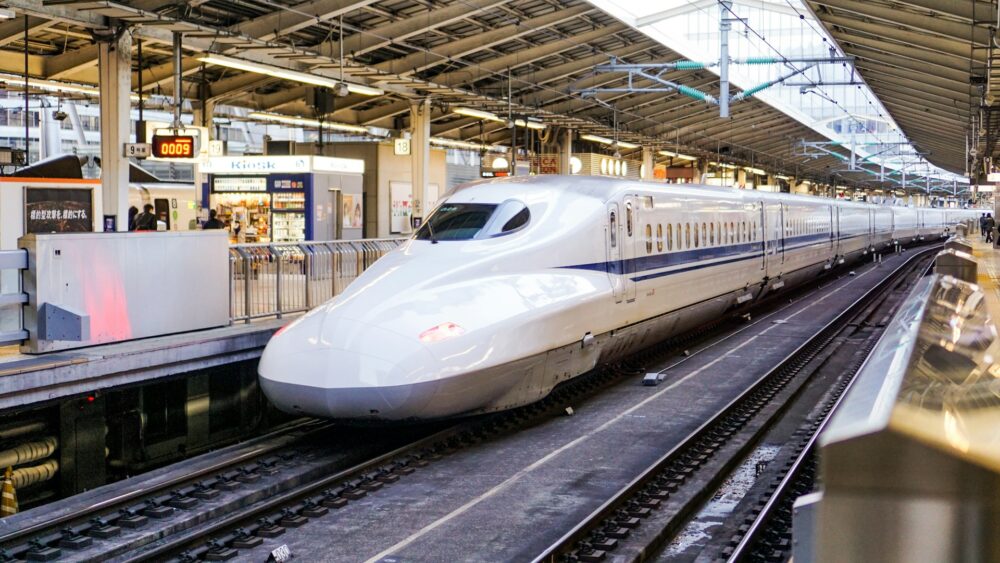
The Japanese crowdfunding platform Ubugoe has failed to pay out more than 65 million yen (approximately €378,000) from successful campaigns to railway companies, game developers, and event organizers. More than 5,000 backers had contributed funds to projects, but several recipients have been waiting for months for a large portion of the proceeds.
Ubugoe has operated its platform since 2021
The company did not charge project creators a fee for publishing their campaigns and financed itself through additional fees from supporters. The website has been inaccessible since April 15th. Ubugoe initially stated that the server had crashed, and on June 23rd announced that the company was relocating its address and server.
Four railway companies are waiting for their money from the crowdfunding platform
The companies affected are Yamagata Railway in Yamagata Prefecture, Hokuetsu Express in Niigata, Nagaragawa Railway in Gifu, and Konan Tetsudo in Aomori. Between July 2025 and February 2026, the four regional railway companies raised funds for train driver training, a themed train, the introduction of new rolling stock, and the repair of a locomotive.
Editor’s tip: Crowdfunding campaign secures deployment of police horses in Kyoto
All four campaigns exceeded their funding goals. The Yamagata Railway raised three times the planned amount. In total, 1,191 people supported the four companies’ projects with more than 20 million yen (approximately 116,000 euros).
In return, the railway companies promised guided tours of depots, tickets for night trains, naming rights for a station, and commemorative items. This is a form of purchase-based crowdfunding. Supporters pay for a promised good or service, while the platform receives the money and is supposed to transfer it to the project operator after the campaign ends.
Ubugoe paid the four companies almost nothing
Yamagata Railway stated that it did not receive the majority of the revenue. The other three railway companies received no money at all. In mid-June, Ubugoe promised Nagaragawa Railway that it would transfer the outstanding sum in monthly installments of 500,000 yen (approximately €2,900) starting at the end of June, but the payment never arrived. Nagaragawa Railway made the case public in June. “We are sorry that the feelings of the people who supported us did not reach us,” the company stated.
The four railway companies are delivering the promised services despite the lack of revenue and are covering the costs from their own funds. The project operators remain responsible for the services provided to the supporters, even though Ubugoe retains the money collected for this purpose.
Japan’s regional railways have hardly any financial reserves
The outstanding payments are hitting companies that can no longer finance their routes from their own revenue. In fiscal year 2023, 80 of Japan’s 96 regional railway companies posted losses. That’s roughly 83 percent.
Regional trains outside major cities transport, among others, students, commuters, and senior citizens. Due to the aging and shrinking population, passenger numbers are declining on many routes. Repairs, driver training, and special tourist trains are intended to ensure continued operation or attract additional passengers.
The four railway companies used crowdfunding for expenses they couldn’t fully cover from their regular income. Due to the missed payments, they now have to pre-finance the promised trips, events, and commemorative items.
Game developers are also reporting payment defaults
The known problems date back to September 2025. A campaign for the live-action video game “Shibuya Scramble Stories” raised a total of 54.75 million yen (approximately €318,000) between May and July 2025. Ubugoe initially stated that the money had been mistakenly transferred to another business partner.
Following negotiations with a lawyer, the company signed an agreement for full repayment and made several partial payments. The last known payment of one million yen (approximately €5,800) was made on November 21, 2025. This left an outstanding balance of 27.75 million yen (approximately €161,000).
The developer of the game “Purgatory Blue” also stated that he received none of the 10.94 million yen (approximately €64,000) collected. In May 2026, the operator announced that he had initiated proceedings with the Shibuya police to file a criminal complaint against Ubugoe and its president. It is unknown whether the police accepted the complaint and opened an investigation.
Court orders Ubugoe to pay
A campaign for the “Nagoya Mirai Festival 2026” raised a total of 8.7 million yen (approximately €51,000) from 415 supporters between November and December 2025. The funding goal had been 6.5 million yen (approximately €38,000).
Ubugoe failed to transfer the revenue to the organization hosting the festival. The organization subsequently sued the company. In June 2026, the Tokyo District Court ordered Ubugoe to pay the outstanding amount plus interest.
__
(Featured image by Fikri Raysad via Unsplash)
DISCLAIMER: This article was written by a third party contributor and does not reflect the opinion of Born2Invest, its management, staff or its associates. Please review our disclaimer for more information.
This article may include forward-looking statements. These forward-looking statements generally are identified by the words “believe,” “project,” “estimate,” “become,” “plan,” “will,” and similar expressions. These forward-looking statements involve known and unknown risks as well as uncertainties, including those discussed in the following cautionary statements and elsewhere in this article and on this site. Although the Company may believe that its expectations are based on reasonable assumptions, the actual results that the Company may achieve may differ materially from any forward-looking statements, which reflect the opinions of the management of the Company only as of the date hereof. Additionally, please make sure to read these important disclosures.
First published in Sumikai. A third-party contributor translated and adapted the article from the original. In case of discrepancy, the original will prevail.
Although we made reasonable efforts to provide accurate translations, some parts may be incorrect. Born2Invest assumes no responsibility for errors, omissions or ambiguities in the translations provided on this website. Any person or entity relying on translated content does so at their own risk. Born2Invest is not responsible for losses caused by such reliance on the accuracy or reliability of translated information. If you wish to report an error or inaccuracy in the translation, we encourage you to contact us.




Japanese Crowdfunding Platform Ubugoe Faces Payment Crisis After Withholding Funds
Ubugoe, a Japanese crowdfunding platform, has failed to transfer more than ¥65 million raised for railway companies, developers, and event...


Payhawk Automates Invoice Retrieval with AI Agent to Streamline Finance Operations
Payhawk’s Agent Fetch automates supplier invoice retrieval, cutting processing times and improving efficiency. Adopted by over 550 companies, it retrieves...


BMCE Capital Markets Launches Carbon Market Offering for Moroccan Transport Operators
BMCE Capital Markets has launched a carbon market offering for Moroccan shipping and airline companies under the EU ETS. It...


Cocoa Markets Ease as Supply Improves and Demand Weakens
Both markets slipped last week amid cocoa demand concerns, with daily and weekly trends mixed to down. A large West...


Namibia Cannabis Activists Seek Political Path After Legal Setbacks
Ganja Users of Namibia is shifting its cannabis reform campaign from legal challenges to politics by proposing the Ganja Users...
 |
|
 |  |
 |
|
-

 Africa2 weeks ago
Senegal’s Debt Strategy: Choosing Between Restructuring and Financial Innovation
-

 Biotech6 days ago
Biotech Revival: Big Pharma Bets on Innovation and Acquisitions
-

 Crypto2 weeks ago
Bitcoin Rally Faces Tests from Fed, ETFs, and Market Fear
-

 Business1 day ago
Rising Bond Yields Signal Potential Trouble Beneath a Calm Stock Market